February 4, 2026
The last nuclear guardrail falls this week, and the U.S. and Russia have chosen to fly blind
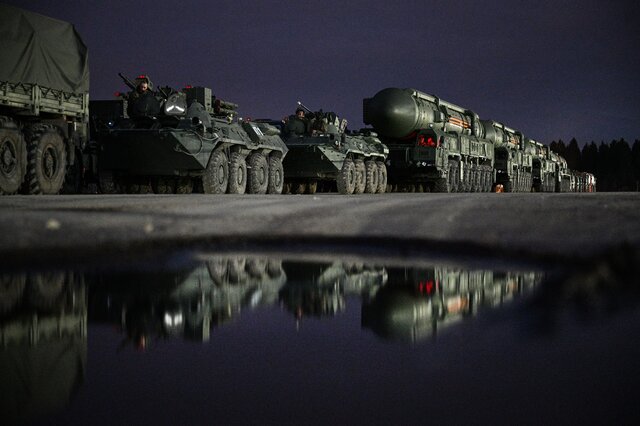
The dangerous drift toward a new arms race between Russia and the United States crosses another major threshold tomorrow, February 5, with the expiration of New START — the last treaty limiting the world’s two largest nuclear arsenals. Vladimir Putin has proposed a year-long extension to the agreement’s terms, but Donald Trump has stonewalled, citing U.S. concerns about a growing nuclear threat from China. Meduza reviews how Moscow and Washington arrived at this precipice, what experts think about the risk of nuclear escalation, and why the halt in mutual monitoring and data exchange is particularly worrisome.
TL;DR
- The New START treaty, the last agreement limiting the nuclear arsenals of Russia and the United States, is set to expire.
- Russia proposed a one-year extension, but the U.S. has refused, citing concerns about China's growing nuclear threat and demanding China's inclusion in any future deal.
- The treaty established limits on deployed nuclear warheads and delivery systems, and crucially, included a verification system with on-site inspections and data exchange.
- The invasion of Ukraine led to Russia suspending its participation in 2023, though it initially pledged to respect numerical limits.
- The loss of the treaty's verification protocols will force intelligence agencies to rely on less reliable methods like satellite imagery and espionage.
- New technologies like hypersonic missiles and nuclear-powered cruise missiles are further destabilizing the strategic landscape.
- The expiration of New START signifies a loss of transparency and predictability, potentially leading to a three-way arms race involving China without established rules.