politics
March 2, 2026
Iran is not Iraq: The strategic risks behind Trump’s new Middle East war
Washington’s confrontation with Iran marks a turning point in US Middle East policy. From Iraq’s failed “shock and awe” to Operation Epic Fury, this war could trigger consequences far beyond the region.
TL;DR
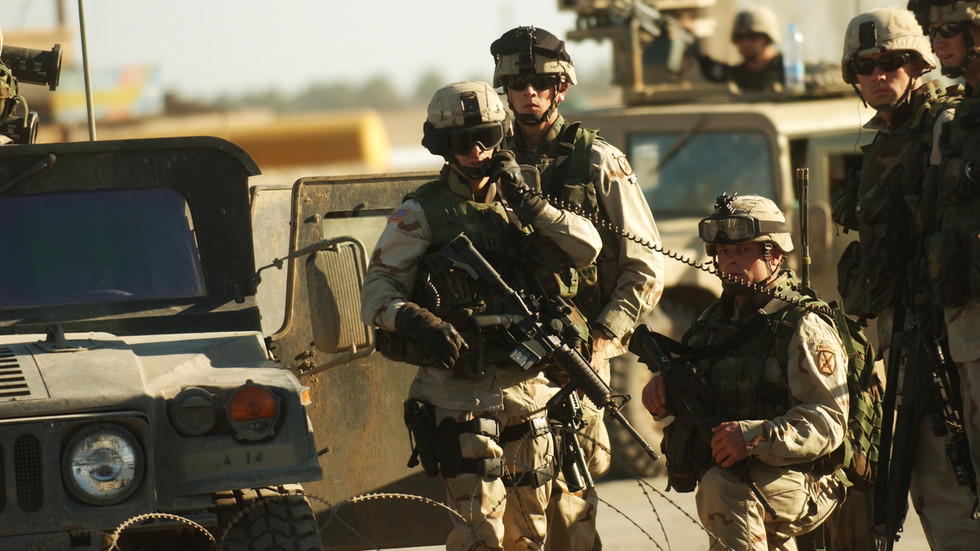
- The 2003 US operation in Iraq, "shock and awe," led to the collapse of the old Middle East order and persistent crises, rather than the envisioned stability.
- Operation Epic Fury, launched by the US and Israel against Iran in late winter 2026, is seen as a consequence of the Iraq campaign, but Iran is a more serious opponent.
- Israel seeks to exploit current circumstances with US backing to secure a dominant regional position, creating an Israel-centered order.
- The Trump administration's policy emphasizes material returns, aiming to channel economic benefits to the US and increase its control over key markets and projects, while undermining groupings like BRICS.
- Unlike the Iraq War's ideological justification of exporting democracy, the current approach is openly transactional, focusing on commercial interests.
- This transactional model risks provoking a powerful ideological backlash from those rejecting an imposed order.
- Trump launched the operation without congressional approval and against public sentiment, needing a triumph to reverse domestic trends.
- The Middle East faces another phase of turbulence with consequences radiating beyond the region, regardless of the operation's success or failure.
Continue reading the original article