politics
April 10, 2026
Why Iran looks like the real winner
What emerged from the war was neither peace nor a credible settlement, but merely a pause shaped by the exposed limits of American strength
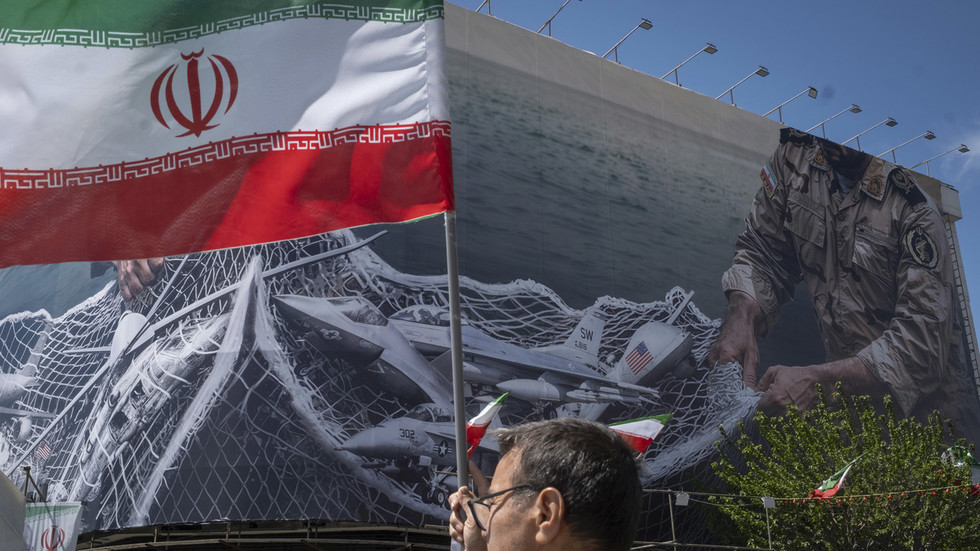
TL;DR
- The ceasefire is viewed as a temporary pause rather than a resolution, with conflicting interpretations in Washington and Tehran.
- Iran is seen as the winner for refusing to capitulate, demonstrating resilience against military pressure and shifting the war's logic.
- The US strategy of coercion, relying on destructive strikes to compel submission, was exposed as a weakness against a resilient state like Iran.
- The US withdrawal from its ultimatum is interpreted as a compelled maneuver to exit a dangerous situation, driven by military uncertainty, allied unease, market nervousness, and domestic political risks.
- While Iran suffered military damage, the external pressure consolidated national identity and strengthened resolve, turning resilience into a political resource.
- The conflict cast doubt on the Middle East's security architecture, which relied on the US military umbrella, showing it to be unreliable.
- Globally, the crisis highlighted systemic dangers and undermined America's image, portraying its power as a producer of chaos rather than order.
- The negotiation process is expected to be complex, with both sides attempting to frame the pause according to their narratives: US on pressure, Iran on endurance.
- Iran's perceived resilience and strategic composure, despite losses, have shifted global perception, indicating a change in the balance of power.
Continue reading the original article