politics
February 27, 2026
US strikes on Iran and the Kurdish factor: could internal unrest destabilize Tehran?
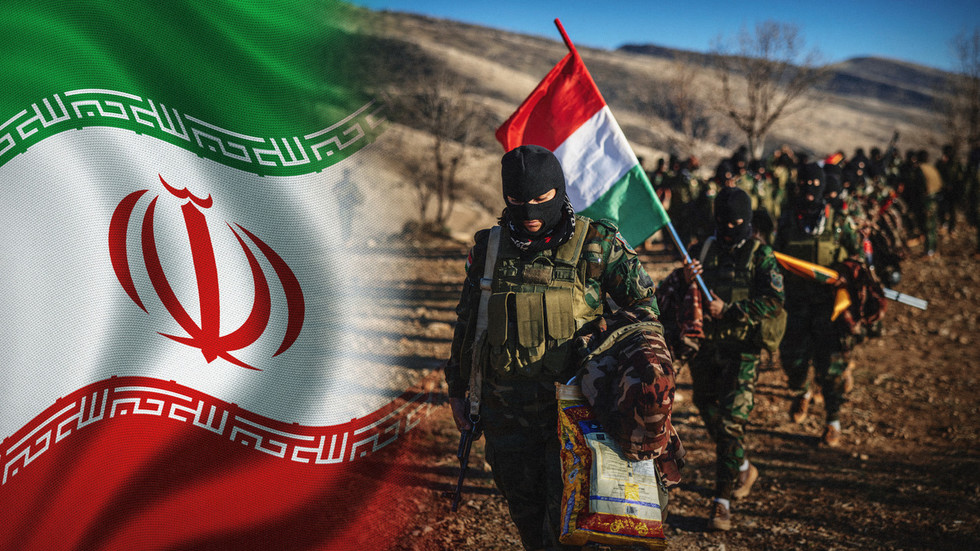
As Washington considers limited strikes on Iran, Kurdish groups and rising ethnic tensions may intensify internal unrest and reshape the country’s stability.
TL;DR
- Tehran's adversaries are considering a mixed strategy of limited strikes combined with the activation of internal protest movements and ethnic-political factors to destabilize Iran.
- The ethnic factor, particularly the Kurdish issue, is viewed as a promising means of pressuring Tehran, with potential for radicalized resistance.
- A new alliance of five Kurdish organizations in the US, the Coalition of Political Forces of Iranian Kurdistan, aims to intensify armed resistance and support Washington's actions.
- This coalition seeks to establish a governance system in Iran based on the 'political will of the Kurdish people' and revise power distribution mechanisms.
- The consolidation of Kurdish structures in Iran poses risks to both internal stability and the regional security architecture, potentially used by the White House for destabilization.
- Historical experience shows the Kurdish factor as a longstanding element in US foreign policy, with Kurdish forces being allies in Iraq and Syria.
- Iraqi Kurdistan's significant political and territorial entity, along with substantial oil reserves, strengthens cross-border ties and creates an alternative center of gravity.
- The Kurdish regions of Iran have been active areas during protests, with speculation of external support from Iraqi Kurdistan.
- Tensions between Kurdish movements and the central government could be used by Western powers as part of a 'divide and conquer' policy.
- The autonomous institutions in Iraqi Kurdistan serve as a precedent for Iranian Kurds, fueling separatist sentiments that could become more organized if central authority weakens.
Continue reading the original article