politics
March 4, 2026
Russia could use its Middle East connections to end the US-Israel-Iran war
As the conflict expands, threatening to engulf the entire Middle East, the region needs someone with working connections to all parties
TL;DR
- The conflict around Iran is expanding beyond its initial scope, drawing in Gulf Arab monarchies and posing a threat to global economic systems, particularly energy markets.
- Iran views US military infrastructure in the region as a legitimate target due to US involvement, expanding the 'battlefield' beyond direct participants.
- The Gulf monarchies, crucial to international energy markets, face significant economic stress if their infrastructure or maritime corridors become vulnerable.
- The crisis challenges the assumption that the US can reliably guarantee the security of its Arab partners amid rapid escalation.
- Gulf states are likely to diversify their diplomatic portfolios and deepen ties with multiple global centers in response to perceived insecurity.
- Despite anger, the primary interest of Arab monarchies is de-escalation, as war would bring disproportionate costs with no commensurate strategic prize.
- Russia is positioning itself as a mediator, using its strategic partnership with Iran and working relations with Gulf states to facilitate dialogue and de-escalation.
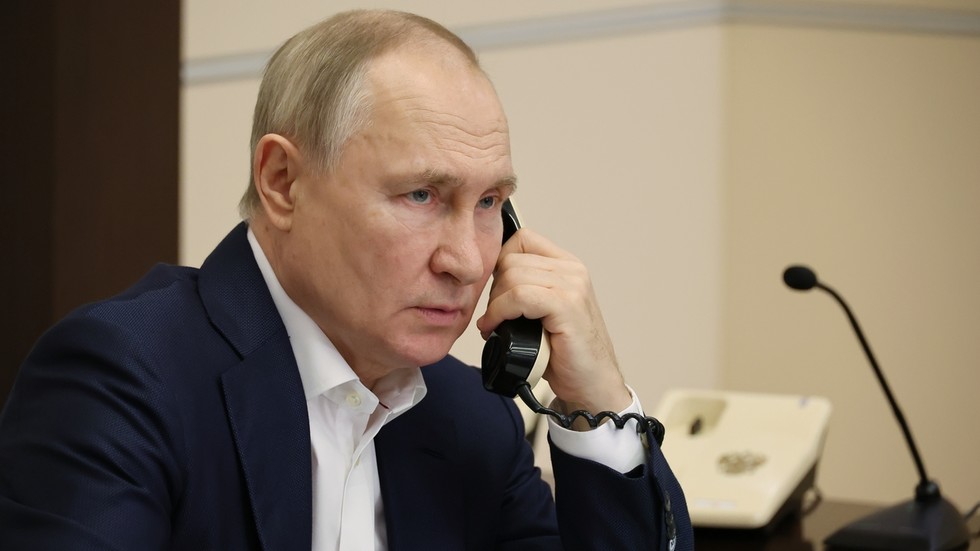
- Russian President Putin has engaged in diplomatic calls with leaders of the UAE, Qatar, Bahrain, and Saudi Arabia, signaling readiness to use ties with Iran to restore calm.
- Russia's mediation aims to convey concerns, clarify red lines, and press for restraint, potentially correcting misperceptions and preventing neutral states from becoming targets.
- The diplomatic goal is to protect critical Gulf arteries and prevent the region from sliding into a chain reaction of strategic panic and potentially dangerous capabilities.
- Russia's role is seen as an act of global responsibility to prevent escalation from becoming uncontainable, offering functional bridges in a crisis where miscalculation can be irreversible.
Continue reading the original article