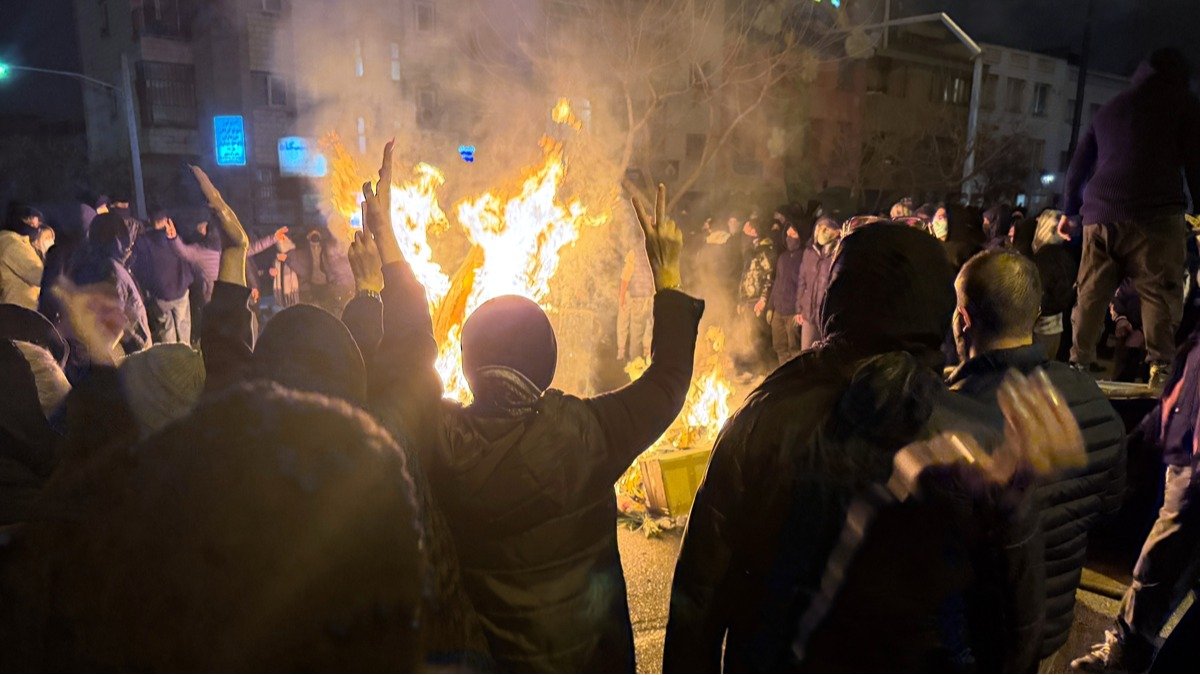
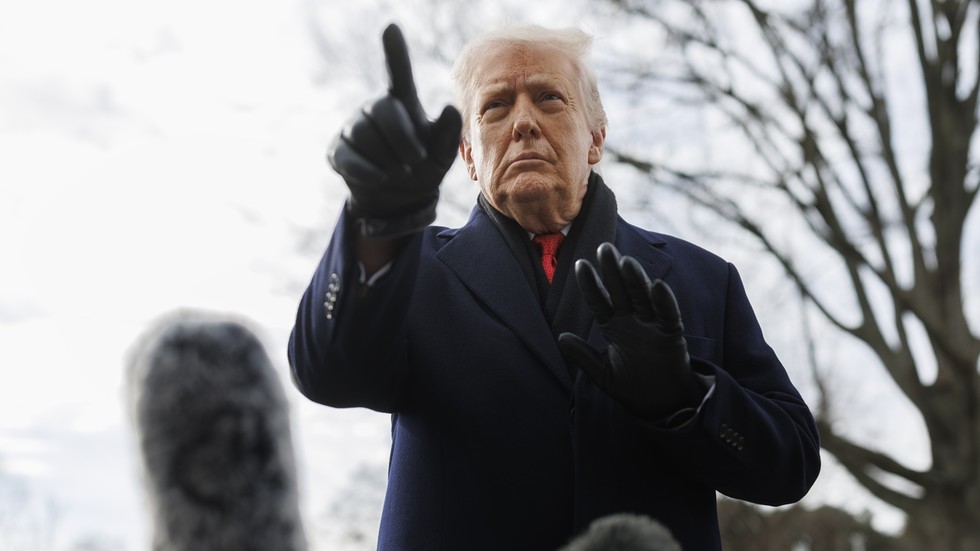
Президент США Дональд Трамп заявил, что в Иране отменили запланированные казни протестующих. Ранее он угрожал нанести удар по Исламской Республике в случае, если репрессии продолжатся. Еще накануне США выводили часть персонала с баз на Ближнем Востоке и призывали своих граждан покинуть Иран. Несмотря на спад накала между Вашингтоном и Тегераном, люди в Иране уже больше 160 часов остаются без связи с внешним миром: власти заблокировали интернет на фоне массовых демонстраций. Правозащитники сообщают о нескольких тысячах погибших. Подробнее о третьей неделе антиправительственных протестов в Иране, жертвах и возможном вмешательстве США — в материале «Новой газеты Европа». Участники антиправительственного митинга в Тегеране, Иран, 9 января 2026 года. Фото: AP / Scanpix / LETA .Жертвы и задержанные Правозащитная группа HRANA сообщила, что, по данным на 14 января, подтверждена гибель 2615 человек. Из них 2435 — участники протестов. Подтверждена смерть 13 детей в возрасте до 18 лет. Задержаны не менее 18 470 человек. Протестные акции прошли в 187 городах по всей стране, передает HRANA. В условиях продолжающегося отключения интернета получение и подтверждение сообщений из страны о погибших и задержанных по-прежнему серьезно затруднены, отмечают правозащитники. Трамп ранее сообщил журналистам, что его «уведомили», что в Иране прекратили убийства протестующих и отменили запланированные казни. Высокопоставленный саудовский чиновник рассказал агентству AFP, что Трампа убедили отказаться от атаки и «дать Ирану шанс продемонстрировать добрые намерения» Саудовская Аравия, Катар и Оман. По словам посла Ирана в Пакистане Резы Амири Могадам, Трамп проинформировал власти страны, что не собирается атаковать. «Похоже, он всё еще обдумывает различные варианты; […] Но эти заявления, которые мы только что услышали, указывают на возможный спад накала и на то, что президент Трамп отходит от немедленных действий, которыми он угрожал», — считает корреспондент «Аль-Джазиры» в Вашингтоне Майк Ханна. После этого министр иностранных дел Ирана Аббас Арагчи настаивал в интервью телеканалу Fox News, что у властей нет планов казнить протестующих. «Мы полностью контролируем ситуацию. И будем надеяться, что здравый смысл возобладает. И мы не допустим высокого уровня напряженности, что может иметь катастрофические последствия для всех», — добавил министр. Арагчи утверждает, что в ходе протестов, вопреки оценкам правозащитникам, погибли не тысячи, а сотни человек. При этом министр заявляет, что некие «террористические элементы» проникли на протесты, «захватывали полицейских и сжигали их заживо». Тела у здания морга после протестов, Тегеран, Иран, 12 января 2026 года. Фото: Alfred Akasbashi / Sipa / Scanpix / LETA .«Когда террористические элементы, пришедшие извне, проникли на эти протесты и начали стрелять по полицейским, сотрудникам полиции и силам безопасности, они использовали террористические приемы в стиле ИГИЛ. Они захватывали полицейских, сжигали их заживо, обезглавливали и начинали стрелять по полицейским и по гражданским. В результате, в течение трех дней мы фактически боролись с террористами, а не с протестующими», — сказал Арагчи Fox. „ По словам министра, «это был израильский заговор». Арагчи считает, что таким образом Израиль пытался втянуть в конфликт Дональда Трампа и США. Свидетели рассказывали The New York Times, как видели снайперов на крышах зданий в центре Тегерана и стрелявших по толпе протестующих. Газета поясняет, что несмотря на блокаду связи, некоторым иранцам удается время от времени получить доступ к спутниковому интернету, опубликовать видео и сообщить о кровопролитиях. Так, бизнесмен из Тегерана Саид рассказал, что ему удалось выйти в интернет на несколько минут благодаря соединению Starlink — компания SpaceX Илона Маска теперь предоставляет бесплатный доступ в интернет через свой сервис для пользователей Ирана. «Я могу сказать, что здесь настоящая кровавая баня», — поделился Саид. В соцсетях развернулась кампания в поддержку 26-летнего владельца магазина Эрфана Солтани. Его задержали на прошлой неделе в его доме в Фардисе, к западу от Тегерана, по обвинению в участии в протестах. Семья мужчины сообщала, что власти собираются казнить его в среду 14 января. Один из родственников Солтани сообщил BBC Persian, что иранский суд вынес смертный приговор «в чрезвычайно короткие сроки, всего за два дня». Иранская курдская правозащитная организация Hengaw передавала, что иранцу отказали в доступе к адвокату. При этом сестра Солтани — юрист, и пыталась вмешаться в это дело. С момента ареста мужчине не разрешали контактировать с семьей. Представитель организации Hengaw также заявил Би-би-си, что они «никогда не видели, чтобы дело продвигалось так быстро». Несколько проживающих в Европе семей из Ирана, которые покинули страну после 1979 года, рассказали британской газете The Guardian, как они узнали о гибели близких в ходе нынешних протестов. По словам Хали Норей, она упала на колени, когда ей позвонили и сообщили, что ее 23-летнюю племянницу, Робину Аминян, убили выстрелом в голову сзади на акции протеста в Тегеране 8 января. Девушка присоединилась к своим друзьям по университету. Семья получила трагическое известие только после того, как их родственники в Иране отправились к иракской границе, чтобы подключиться к интернету и позвонить за границу. «Это трагедия для моей семьи. Я не знаю, что могу для них сделать, но я хочу быть голосом Робины и не хочу, чтобы этот режим заставил замолчать голоса наших детей», — поделилась собеседница The Guardian. Она рассказала, что ее родственники в Иране ездили в Тегеран, чтобы опознать девушку, и увидела «сотни тел молодых людей, расстрелянных и убитых». По словам Норей, после того как власти не разрешили забрать тело Аминян домой, семье пришлось вывезти его тайно. Как рассказывает Норей, в нескольких мечетях отказали в проведении похоронной церемонии и «заставили похоронить Аминян у дороги, выкопав яму». Иранцы блокируют улицу во время акции протеста в Тегеране, Иран, 9 января 2026 года. Фото: Middle East Images / Sipa / Scanpix / LETA.Еще несколько иранцев, проживающих за границей, рассказали The Guardian, что почти все их знакомые участвуют в уличных протестах, и они беспокоятся о том, остались ли они живы. Связанное с государством иранское информационное агентство Fars сообщило, что в среду в Тегеране состоялись похороны более 100 сотрудников сил безопасности и других лиц, которых они назвали «мучениками». 14 января в Иране провели похороны как мирных жителей, так и представителей силовых ведомств, передавала «Аль-Джазира». Что известно о планах Трампа Днем 15 января Совет Безопасности ООН по просьбе Соединенных Штатов назначил экстренное заседание по Ирану. Оно пройдет в тот же день в 23:00 мск. Барбара Славин, заслуженный научный сотрудник Центра Стимсона в Вашингтоне, поделилась с «Аль-Джазирой» мнением, что Трамп, «вероятно, разрывается между двумя решениями» относительно того, какие действия предпринять против Ирана. Она сказала, что, хотя президенту США хотелось бы «еще одной быстрой победы, она не думает, что он хочет вступать в затяжной конфликт на Ближнем Востоке». „ Эксперт добавила, что ожидает от Трампа нанесения ограниченных ударов, которые позволят ему заявить о выполнении своего обещания «помочь» иранскому народу, не провоцируя при этом «более масштабную эскалацию». Ранее журналистка NewsNation Келли Мейер со ссылкой на источник сообщила, что Пентагон начал переброску авианосной ударной группы из Южно-Китайского моря в сторону Ближнего Востока. По данным источников телеканала, передислокация рассматривается как демонстрация силы и средство сдерживания, а не как непосредственная подготовка к удару. Великобритания также вывела часть персонала с авиабазы Аль-Удейд в Катаре, где размещены американские войска и другие международные силы. Кроме того, Великобритания временно закрыла посольство в Тегеране. Это произошло после того, как иранский чиновник заявил, что Тегеран предупредил соседей о нанесении ударов по американским базам в случае нападения Вашингтона. Иранские полицейские у посольства Великобритании во время акции протеста в Тегеране, Иран, 14 января 2026 года. Фото: Abedin Taherkenareh / EPA.15 января рано утром Исламская Республика без объяснения причин на несколько часов закрыла свое воздушное пространство. Как напоминает Associated Press, такое уже происходило во время 12-дневной войны в июне между Ираном и Израилем, а также во время обстрела Израиля в ходе войны между Израилем и ХАМАС. Зона ограничения полетов длилась более четырех часов. Международные авиакомпании облетали Иран с севера на юг и обратно, но уже около 7 утра несколько внутренних рейсов находились в воздухе. Около полудня Управление гражданской авиации страны заявил, что «в воздушном пространстве осуществляются входящие и исходящие рейсы, а аэропорты предоставляют услуги пассажирам». Волнения начались в Иране 28 декабря 2025 года. Сначала акции выглядели как недовольство экономической ситуацией в стране, но вскоре демонстрации переросли в масштабные уличные протесты с требованиями свергнуть режим аятолл и лозунгами «Смерть диктатору».