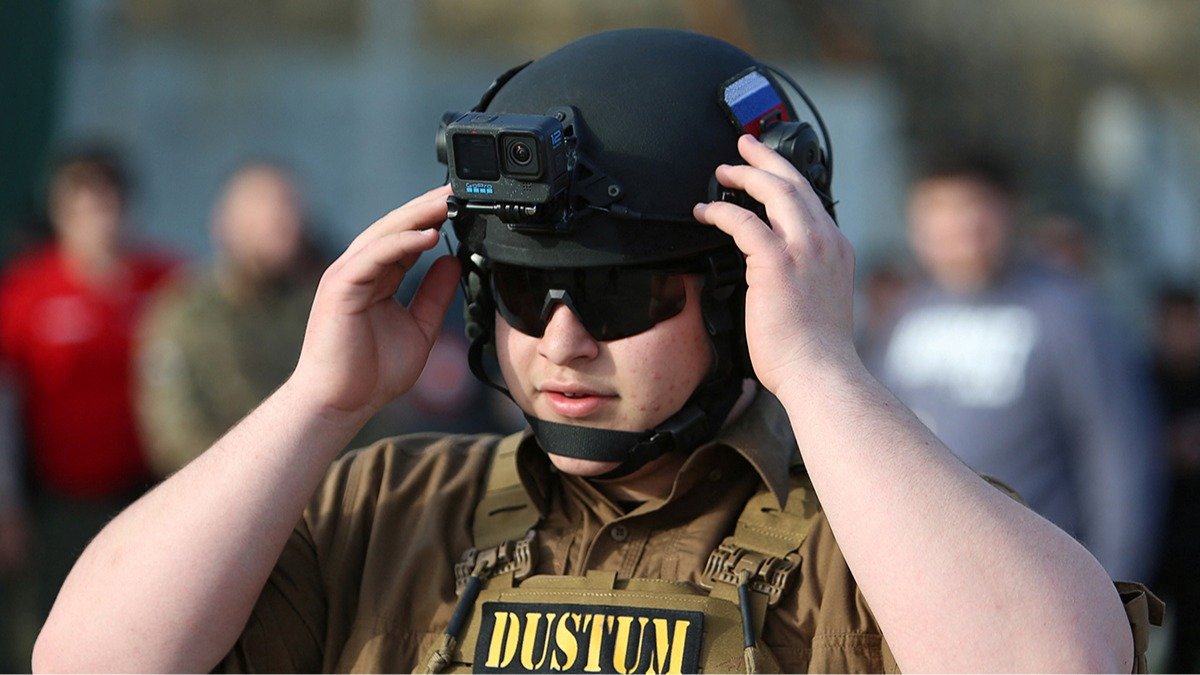
Вечером в пятницу, 16 января, в Грозном произошло дорожное происшествие с участием машин кортежа третьего сына главы Чечни — 18-летнего Адама Кадырова. После оказания первой помощи его с телохранителями срочно эвакуировали в Москву специализированным медицинским бортом МЧС. Первым о масштабном ДТП в центре Грозного сообщил чеченский телеграм-канал NYICO. Источники «Новой газеты Европа» подтверждают факт аварии и приводят его новые детали. Так, водитель другой машины погиб, а само ДТП не было зарегистрировано, вероятно, не повлечет за собой расследования. Сама же реакция властей Чечни на произошедшее напомнила о внутреннем балансе власти в республике и особый статус Адама как предполагаемого наследника. Адам Кадыров на соревнованиях по тактической стрельбе в Гудермесе, Чечня, 28 апреля 2024 года. Фото: Chingis Kondarov / REUTERS / Scanpix / LETA.Авария и эвакуация Во второй половине дня недалеко от дома торжеств «Сафия» кортеж Адама Кадырова, ехавший на большой скорости по Старопромысловскому шоссе, столкнулся с машиной, выезжавшей на шоссе с улицы Тасуева. Кроме ограничений скорости, рассказал «Новой газете Европа» очевидец происшествия, водитель головной машины кортежа проигнорировал и красный сигнал светофора на перекрестке Старопромысловского шоссе и улицы Тасуева. Повреждения получили сразу несколько машин кортежа (они не успевали затормозить и врезались друг в друга). Однако сильнее всего пострадала головная машина, в которой находились сын Кадырова и его трое телохранителей. За рулем машины был начальник охраны 18-летнего Адама Кадырова — Апти Ирасханов, племянник министра МВД по ЧР Аслана Ирасханова. Все четверо, включая сына Кадырова, были госпитализированы в республиканскую клиническую больницу скорой медицинской помощи имени У. И. Ханбиева. „ У начальника охраны Кадырова-младшего Апти Ирасханов был диагностирован перелом позвонка шейного отдела, у остальных, включая Адама Кадырова, — травмы, не представляющие угрозы для жизни (сотрясение мозга, ушибы, порезы лица и рук, а также незначительная потеря крови). Тем не менее, власти региона приняли решение о срочной эвакуации Адама Кадырова и его телохранителей в Москву, для чего был задействован специализированный медицинский борт республиканского МЧС. Этот самолет называют «медицинским госпиталем» и используют для транспортировки тяжелых пациентов, которым нужна высококвалифицированная медицинская помощь. Ни Адам Кадыров, ни его охранники в таких мерах и лечении, по мнению наших источников (говоривших непосредственно с врачами Республиканской клинической больницы), не нуждаются. Адам Кадыров на совещании. Кадр опубликован 17 января в телеграм-канале Рамзана Кадырова. Фото: Kadyrov_95.Погибший водитель По словам одного из врачей, которые процитировал наш источник, «сын Кадырова и его охранники больше пострадали от подушек безопасности в своих дорогих иномарках, а вот простым людям в машине, в которую они врезались со всей дури, повезло меньше». По данным «Новой газеты Европа», водитель, находившийся в машине, с которой столкнулся кортеж Адама Кадырова, погиб. Как рассказал источник «Новой газеты Европа» в следственном комитете Чечни, ни вечером в пятницу, ни на следующий день ДТП с участием Адама Кадырова не было зарегистрировано в КУСПе (книге учета заявлений о преступлениях, об административных правонарушениях и происшествиях. — Прим. ред.). «Скорее всего, уголовное дело, как всегда бывает в таких случаях, заводить никто не даст, то есть расследования и наказания виновных опять не будет», — считает наш источник. Не первое ДТП с участием элит и детей Кадырова Аварии с участием высокопоставленных чиновников в Чечне происходят регулярно. Информация об одном из таких ДТП с участием племянника Кадырова, председателя Счетной палаты Чечни Ясина Закриева, широко разошлась летом прошлого года. Тогда по вине Закриева погибла супружеская пара и тяжело пострадали двое их детей. Однако, несмотря на огласку, племянник Кадырова никакой ответственности не понес, уголовное дело по факту аварии возбуждено не было. Кроме того, вчерашнее ДТП — далеко не первая авария, в которую попадают и дети Кадырова. Так, по данным «Новой газеты Европа», в 2021 году старший сын Кадырова, 16-летний Ахмат Кадыров, задавил старика, решив покататься в родовом селе Центарой (с 2019 года переименовано в Ахмат-Юрт в честь Ахмата Кадырова; позиция главы Чечни противоречит данным историков. — Прим. ред.) на внедорожнике Mercedes-Benz G-Class. Чеченские власти тогда моментально провели церемонию примирения (семье погибшего заплатили деньги) и сделали всё, чтобы информация не ушла из села. В сентябре 2022 года, по информации «Новой газеты Европа», уже 15-летний Адам Кадыров попал в аварию, в которой по его вине погибли двое. «За рулем машины находился сам сын Кадырова, — рассказал наш источник. — Чтобы скрыть этот факт, его пересадили в машину охранника. Когда Адам Кадыров на большой скорости попытался уехать на машине охранника с места происшествия, то сбил насмерть еще одного человека на пешеходном переходе». Чечня стабильно демонстрирует высокие показатели смертности в ДТП, и немалую лепту в эту статистику вносят именно представители местных элит и их дети. Смерть в результате аварии — это самая распространенная причина ухода из жизни высокопоставленных чеченцев, у которых есть деньги и возможности, чтобы лечиться от тяжелых заболеваний, но которые не могут уберечь себя и своих отпрысков от лихачества, помноженного на безнаказанность. Рамзан Кадыров в Кремле, Москва, 21 октября 2024 года. Фото: Евгения Новоженина / EPA.Проблема наследника Реакция на ДТП с Адамом Кадыровым (когда сразу после оказания первой помощи сына Кадырова и его охранников отправили на самолете МЧС в Москву), по сути, выдает страх главы Чечни потерять своего самого ценного наследника, на которого он, судя по всему, действительно делает главную ставку в начавшемся транзите власти в республике. У Кадырова, здоровье которого только за последний год ухудшилось настолько, что он, по большому счету, перестал руководить регионом, на данный момент трое совершеннолетних сыновей. Но ни старший сын 20-летний Ахмат, которого недавно сделали в Чечне и. о. вице-премьера Чечни, ни второй сын — 19-летний Зелимхан — по каким-то причинам не воспринимаются отцом как «наследники трона». Наши источники как из окружения главы Чечни, так и в УФСБ Чечни считают Ахмата, старшего сына Кадырова, «наиболее смышленым и человечным» изо всех сыновей. «Часто пишут, что у него задержка развития или даже психическое заболевание, но это неправда, — говорит наш источник. — Ахмат панически боится публичных выступлений, но в плане умственного развития превосходит своих братьев. Он, например, прекрасно играет в шахматы, у него очень хорошая память, он неплохо учился и, кажется, единственный из сыновей Кадырова, кто действительно закончил школу, а не просто получил аттестат о среднем образовании. Но чем он действительно от них всех отличается, так это отсутствием жестокости и амбиций. Он, например, не смог проявить себя в расправах над людьми, хотя детей Кадырова, как, впрочем, и детей его ближайших соратников, приучают к таким вещам с детства». Совершенно противоположным образом характеризуют 19-летнего Зелимхана Кадырова, чьей матерью является Фатима Хазуева (ее называют второй женой главы Чечни). «Это самый настоящий мерзавец, способный на всё, чтобы добиться власти, — рассказал наш источник, близко знающий семью Хазуевых. — В этом плане Зелимхан очень похож на своего дядю, Хамзата Кадырова, совершенно неуправляемого племянника Рамзана. Кстати, обоих в этом году из-за их поведения Кадыров вынужден был по сути выслать из семьи и даже из страны. Теперь оба проживают в Эмиратах и не имеют права возвращаться в Чечню без разрешения Кадырова». Ну а 18-летнего Адама Кадырова считают не просто любимым сыном главы Чечни, а «послушным орудием в руках отца, которому просто приятно видеть в нём свое отражение». «Но вообще, если честно, — продолжает наш источник, — Кадырову больше повезло с дочками, чем с сыновьями. Его дочери куда более зрелые, хваткие, расчетливые и развитые. Менее инфантильные. Впрочем, это типичная история для сегодняшней Чечни, в которой мальчиков балуют и спускают им с рук больше, чем девочкам». Баланс без изменений В этом смысле недавнее назначение Ахмата Кадырова и.о. заместителя председателя правительства Чечни, по мнению наших собеседников, не свидетельствует о изменениях в планах Кадырова в плане транзита руководства. „ Главным «наследником» по-прежнему остается 18-летний Адам Кадыров. А высокое назначение старшего сына объясняется вполне прагматичной причиной. Дело в том, что с начала прошлого года, после отставки старшей дочери Айшат Кадыровой и увольнения близкого к ней Хасана Хакимова, в правительстве Чечни оставались вакантными позиции двух вице-премьеров. Одно место семья Кадыровых решила оставить за собой, и на эту должность был назначен единственный подходящий кандидат — старший сын главы Чечни. Второе место получил самый любимый чиновник Кадырова и его верный пропагандист Ахмед Дудаев. На существующий баланс сил в Чечне эти формальные и ничего по своей сути не значащие назначения никак не повлияли.