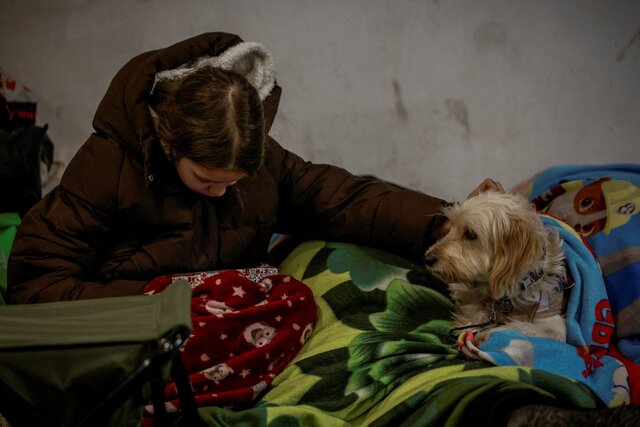
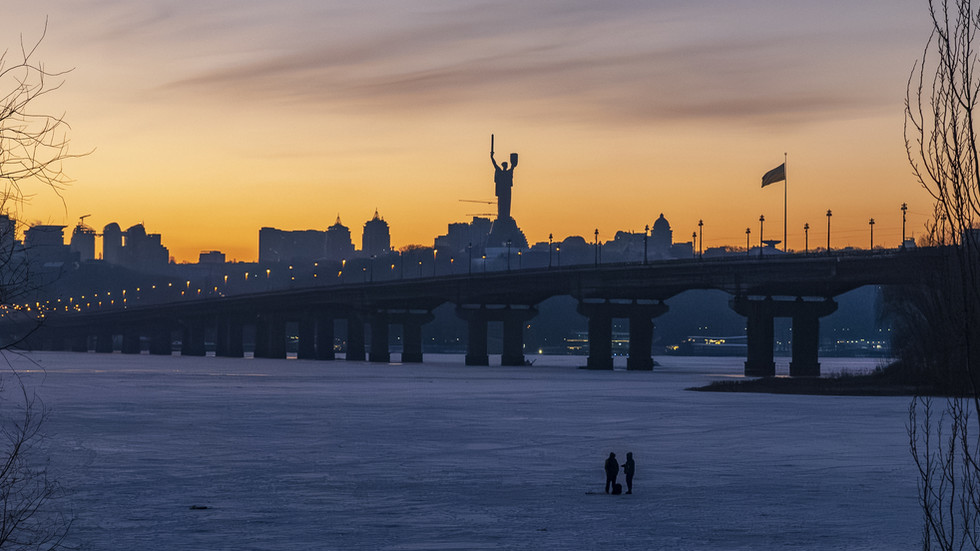
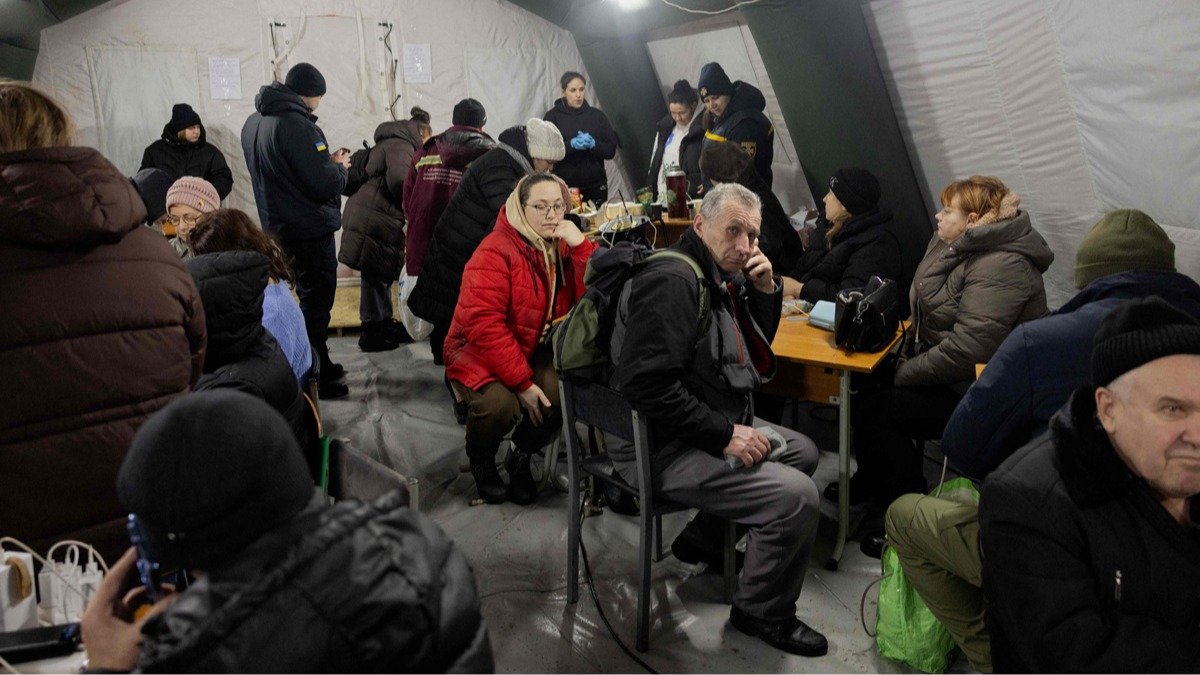
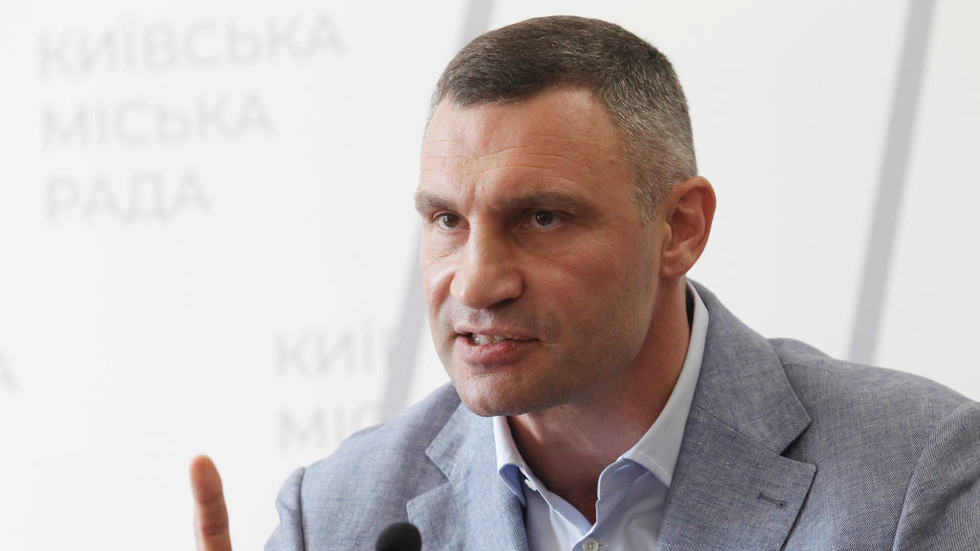
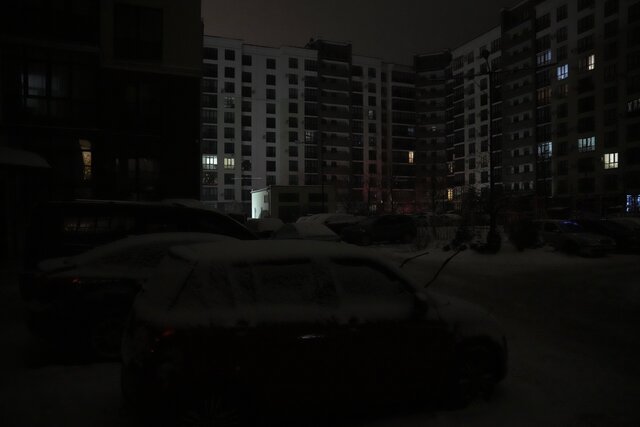
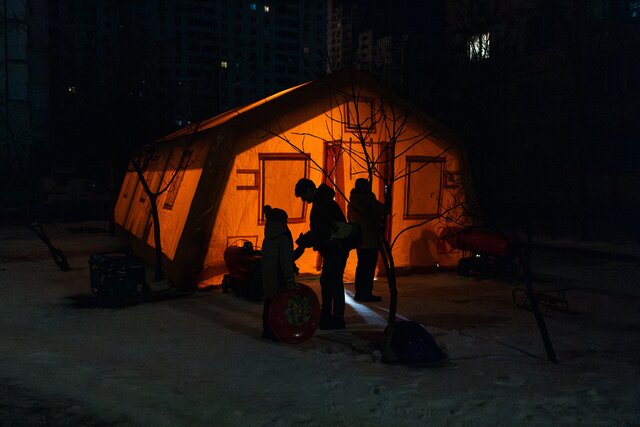
Люди заряжают устройства в «Пункте несокрушимости» в Киеве, Украина, 11 января 2026 года. Фото: Tetiana Dzhafarova / AFP / Scanpix / LETA.Ночь под «Орешником» «Минус восемь, по ощущениям минус пятнадцать. Слабый снегопад», — сообщал прогноз. Вместо гриппозной рыхлой зимы пришло настоящее рождественское чудо! Война не мешала видеть красоту природы, напротив, она ее обостряла. Хотя объективно радоваться было нечему. Ночь с 8 на 9 января в Киеве запомнилась не только ожиданием «Орешника», полетевшего в результате на Львов, и не только волнами реактивных «Шахедов», «Калибров» и «Кинжалов», обрушившимися на столицу. Еще до сумерек зарядил ледяной дождь, тут же подморозило. И когда прозвучал сигнал воздушной тревоги, дороги, тротуары, ступени подземных переходов уже сверкали, как темное зеркало. Машины еле двигались, их несло. Ветки деревьев обросли хрустальной коркой льда, провисли чуть не до земли. На нашу станцию метро, одну из самых неглубоких, народу всё равно доскользило беспрецедентно много. О том, что атака ожидается нерядовая, официально проговорилось посольство США, посоветовав своим гражданам, находящимся в Украине, не игнорировать убежища. Характер целей, выбираемых российской армией, не оставлял сомнений: «выносят» ТЭЦ и котельные, которые энергетики не успевают ремонтировать после предыдущих ударов. А также с целью устрашения бьют по многоэтажкам, чтобы население требовало от Зеленского мира — любого. Неважно, справедливого или нет. Тело погибшего парамедика у повреждённого жилого дома после российского удара по Киеву, Украина, 9 января 2026 года. Фото: Evgeniy Maloletka / AP Photo / Scanpix / LETA.Москва давно обещала возмездие за мифический налет украинских дронов на путинскую резиденцию на Валдае. Но это не месть. Просто ждали соответствующей погоды. И дождались. Всю начинающуюся неделю синоптики прогнозируют морозы вплоть до минус двадцати. Сколько способна продержаться среднестатистическая киевская семья в доме с выбитыми при обстреле окнами, затянутыми пленкой, без света, воды и тепла, но с детьми и со стариками? Мясные штурмы очередной «исторической территории», села в Донецкой, Харьковской или Запорожской областях у российского общества подъема как-то не вызывают. Зато перспективы превращения Киева в необитаемое пространство очень бодрят. Можно сколько угодно разглагольствовать о том, что это война только Путина и его окружения, параллельно признавая фашизацию России. Но лечить россиян, больных фашизмом, будут когда-нибудь потом, если будут. А пока кремлевской пропаганде приходится объяснять населению сложное: „ почему это Украину не устраивает роль безответной жертвы? Почему украинские дроны уже «гасят» Белгород, Воронеж, Курск, Тверь, Пензу? Сливай воду Теперь о последствиях ночи в Киеве с 8 на 9 января. Погибших четверо, 24 раненых, среди них пятеро сотрудников госслужбы по чрезвычайным ситуациям и четверо медиков. Шахед попал в многоэтажку на левом берегу столицы, на проспекте Миколы Бажана. Приехала бригада скорой. Пока людей спасали, ударили повторно в ту же «стратегическую» точку, такая практика давно никого не удивляет. На снегу, который шел и шел, осталась красная трикотажная форменная шапочка 56-летнего Сергея Смоляка, сотрудника Центра экстренной помощи и медицины катастроф, погибшего на месте. Кто-то рядом положил букет красных роз. Сергей Смоляк. Фото: Министерство здравоохранения Украины / tn=%2CO*F" target="_blank">Facebook.Смоляк — вынужденный переселенец из оккупированной Каховки. Коллеги о нем вспоминают как о специалисте высшего класса, никогда не жаловавшемся на усталость. Навсегда без Сергея теперь жена, дочь и две внучки. По состоянию на раннее утро 9 января половина многоквартирных домов в столице, почти 6 тысяч, лишились отопления из-за повреждений критической инфраструктуры. Пропала вода. Возникли перебои в работе метро. Графики отключений от электроснабжения бытовых потребителей перестали действовать: свет являлся неожиданно и лишь на пару часов. Коммунальщики заживили от мобильных котелен социальные объекты, в частности больницы и роддома, и вместе с энергетиками в который раз приступили к ремонтам. Открылось 1200 пунктов несокрушимости, где можно погреться, зарядить телефоны и другие гаджеты, выпить горячего чаю. Очередная военная зима приучила принимать очевидные решения. Но нынешняя комбинированная атака вынудила мэра Виталия Кличко после информации о проблемах заявить нечто эксклюзивное: «Городские службы работают в режиме чрезвычайной ситуации. И погодные условия, к сожалению, в ближайшие дни будут сложными. Также обращаюсь к жителям столицы, у кого есть возможность временно выехать за город, где есть альтернативные источники подзарядки и тепла, сделать это». Предложение Кличко растолковала горадминистрация. Мол, никто никого в спину не толкает, но… В мороз слив воды из батарей центрального отопления — обязательная мера, и она не означает, что тепло в квартирах будет отсутствовать длительное время. Просто без циркуляции теплоносителя могут замерзнуть трубы, их порвет. В некоторых районах Киева уже приступили к сливу воды, о чем сообщила известная волонтерка Мария Берлинская. Она же заметила, что пункты несокрушимости не рассчитаны на массовое и продолжительное пребывание, и призвала местную и центральную власть вместе с партнерами немедленно организовать размещение семей с детьми хотя бы в школах и других социальных объектах с индивидуальными тепловыми пунктами. Местные жители убирают обломки после удара российского дрона в Киеве, Украина, 9 января 2026 года. Фото: Sergey Dolzhenko / EPA.Многие вспомнили холодную зиму 2006-го в городе Алчевске Луганской области (сейчас оккупированная территория), когда из-за аварии на изношенных сетях тысячи людей остались без тепла, а из-за ошибки управленцев и коммунальщиков, не сливших вовремя воду из системы отопления, получили гуманитарную катастрофу. Замерзшая вода повредила оборудование, и даже после ремонта и запуска котельной тепло не доходило до квартир, которые превратились в морозильные камеры. Оппоненты мэра тут же попросили не сравнивать Киев-26 с Алчевском-06 и начали подсчитывать, сколько столица воюющей страны получила по энергетической линии гуманитарной помощи — от Тайваня до Польши, от Канады до Швеции. „ Привели цифры: бюджет Киева — 106 млрд гривен, расстояние до РФ — 400 км, бюджет Днепра — 23 млрд гривен, расстояние до оккупированных территорий —215 км, бюджет Харькова — 21 млрд гривен, расстояние до РФ —30 км. Но ни в Днепре, ни в Харькове, которых россияне утюжат с утроенной силой, местные власти не призывали население спасаться и греться собственными силами за чертой города. В ответ сторонники мэра напомнили: энергосистема Киева, вообще-то, не является собственностью столицы. Ею владеет ДТЭК, крупнейший частный инвестор, компания Рината Ахметова. Героизм ремонтных бригад ДТЭК, пятый год, изо дня в день, восстанавливающих повреждения и нередко гибнущих при обстрелах во время работы, — как невидимые миру слезы. Журналисты не могут снимать сюжеты на объектах критической инфраструктуры. И даже конкретизировать, где именно энергетики отдали жизни либо были ранены, нельзя. Это равносильно корректировке цели для нанесения очередных ударов. Что могут выдержать люди Я поинтересовалась у своих друзей и просто знакомых киевлян, насколько они готовы последовать предложению градоначальника и самостоятельно обеспечить зимовку, покинув город. Семья культового украинского музыканта Дмитрия Шурова, фронтмена группы Pianoboy, помогает армии системно и без пиара. Даром что Оля, жена Димы, преподавательница французского языка, музыкантка и журналистка, — PR-директорка Pianoboy. Фото из личного архива.— Мы перебрались в село два года назад. Маленький домик, газа нет, всё на электрике, — рассказала Оля. — Но установили буржуйку, заготовили дрова летом. Установили инверторы (устройства, преобразующие постоянный ток в переменный. — Прим. ред.). Потому если свет есть хотя бы шесть часов в сутки, то они держат потом холодильник, насос для воды, розетки и свет. Если перестанут давать свет вообще, то генератор за несколько часов подзарядит инвертор. Хотя вообще, по словам Оли, «выпивать так можно, работать — нет». — Инструментам и студии песец. Перепады температуры означают трещины в инструментах, чаще всего это не ремонтируется. Супруги Шуровы планируют забрать к себе и родителей с девятого этажа киевской квартиры: — Диванчик возле буржуйки для них приготовлен, — грустно улыбается моя собеседница. И продолжает: — Рядом с домом, метрах в пятидесяти, — колодец, то есть природный доступ к воде, электрический насос не нужен. Колодец публичный, все могут брать воду. Но это уже на крайний случай, на каменный век. Экс-депутат Рады 3-го, 4-го, 5-го и 6-го созывов Олена Бондаренко ответила кратко и без трагизма: — Мы с внуком никуда не едем, потому что, честно, некуда. Олена Бондаренко. Фото: Facebook.Вопреки устоявшемуся мнению «все депутаты — богачи», Олена Федоровна, соратница легендарного Вячеслава Чорновола, пришедшая в политику в начале независимости Украины, осталась верна принципам национал-демократов. И палат каменных не нажила, и сильный характер не утратила. История семьи Олены Бондаренко — пример того, что могут выдержать люди. Родилась она в лагере для политзаключенных. Мать, Ольга Лядская, провела там пятнадцать лет по сфабрикованному обвинению в предательстве участников краснодонской «Молодой гвардии», хоть никогда не состояла в этой подпольной организации. Поспособствовал автор одноименного романа Александр Фадеев, когда еще до суда «назначил» Ольгу на роль изменницы советской родины. Будущий отец Олены, венгерский врач-хирург, тоже политзаключенный, вместе с любимой участвовал в Кенгирском восстании в Степлаге. В 1956-м Ольгу освободили со снятием судимости. И она бросилась в село на родную Луганщину, где у бабушки с дедушкой росла дочь. Советская власть проявила гуманность: позволила забрать из лагеря на попечение родни еле живого девятимесячного ребенка. В 1990-м Ольгу Лядскую полностью реабилитировали в связи с отсутствием состава преступления. Несмотря на все испытания, она прожила долгую жизнь, гордилась деятельностью дочери и ушла за год до российского вторжения, в 2021-м. Средний класс на генераторах Олена Суслова, известная исследовательница гендерной политики и прав женщин, рассказала, что ее семья купила и оборудовала хату в селе еще двадцать лет назад. — Мы сразу сделали упор на возможности независимого, автономного проживания: отключения света там были всегда. Наш вариант можно считать экономически приемлемым для среднего класса, — заметила пани Олена. — Я продолжаю активно работать, постоянно в командировках, «две крыши над головой» выручают. Многим знакомым говорила, чтобы рассмотрели такой вариант на случай форс-мажора. О некоторых вещах надо думать самим, не ожидать от власти. Человек пять последовали примеру, остальные сейчас жалеют. Генератор, укрытый картоном во время отключения электроэнергии в Киеве, Украина, 9 января 2026 года. Фото: Thomas Peter / Reuters / Scanpix / LETA.При этом Олена Суслова подчеркнула, что люди ее возраста и старше помнят, как, бывало, в зимние холода грелись на кухне, там и спали. Переселенка из Херсона Светлана Кисельгоф после того, что пришлось испытать, покидая родные места, тоже не видит ничего сверхъестественного, если из Киева придется уехать на время: — План есть давно. Дети, двое взрослых и двое маленьких, поедут в Вышгородский район Киевской области, в село. Там автономная вода, генератор, дрова. Если станет совсем плохо, мы вдвоем и собака Джава к ним присоединимся. Работа позволяет дистанционное или комбинированное участие. Медийщик Богдан Пономаренко прислал сообщение: «Сам уехать не могу: служебные и другие обстоятельства. А вот родителей, 70 плюс, отправим в Закарпатье, где у семьи трехкомнатная квартира. Сейчас сдаем ее переселенцам из Покровска. Потому проведем переговоры об “уплотнении” и снижении, соответственно, арендной платы на тяжелый период». Коллега Иванна Слабошпицкая с телеканала «24» подробно описала, как к пятому году войны ее семья из четырех человек превратила свой частный дом в Киеве в «центр несокрушимости». Когда в Киеве нет света по многу часов кряду, друзья приезжают сюда и работать, и ночевать. У самой Иванны тоже есть возможность часть недели находиться на дистанционке. — Дом полностью на электричестве, но есть и печь, и десять кубов дров. В настоящее время отапливаем дровами. В 2022-м купили бензиновый генератор, я даже умею его заводить «с руки», как опытные мужчины. Этой зимой взяли в кредит большой пауэрстейшн на 3000 кВт. И теперь, когда нет электричества, в дом подается вода, работает холодильник, в комнатах есть свет. „ Раньше, когда свет отключали, семья ходила мыться и сушить волосы в фитнес-клуб «Спортлайф». Ну и тренировались заодно. — Тренировки были ежедневные и вынужденные. Но во всем свои плюсы, — улыбается Иванна. — Купили газовый баллон, на нем сейчас готовим еду. Стараемся что-то попроще и быстрее. Сложили на улице печь из жароупорного кирпича — на всякий случай. Подготовились мы по максимуму после 10 октября 2022 года, когда по Киеву одновременно прилетело 128 ракет и начались первые блэкауты. Надо было сразу становиться бароном Мюнхгаузеном и вытаскивать себя из страхов или уезжать, — продолжает моя собеседница. — Мы выбрали первый вариант. А уж если обстрелы столицы станут совсем нестерпимыми физически, перейдем к плану «Б» — переберемся к друзьям в село в Киевской области. Там скважина, печка, газ, генератор. Мы там спасались первые три месяца после вторжения. Люди у «Пункта несокрушимости» в Киеве, Украина, 11 января 2026 года. Фото: Tetiana Dzhafarova / AFP / Scanpix / LETA.«Не всеремось!» Журналистка Светлана Галата, экспертка Национального фонда исследований Украины, захватывающе пишет на темы науки. И не только: — Плана «Б» нет. Живу в панельной пятиэтажке на Дарницкой площади (Левый берег, район, где традиционно сильные «прилеты». — Прим. авт.). Похоже, из системы отопления сливают воду. Спасибо всем, кто предложил погреться и временное пристанище. Накануне Нового года Света регулярно выставляла в фейсбуке хронику выживания в условиях, приближенных к боевым, — ее дом после атак часто оставался не только без света, но и без воды и без тепла. «Пятиэтажка остыла за сутки. Когда появился свет, включила кондиционер на обогрев. На газовую плиту поставила ведерную кастрюлю с водой и чугунный утюг, еще прабабушкин. Нагревала, выключала, потом опять включала». «В понедельник спокойно отработала рабочий день в дистанционном режиме, со стельками с подогревом USB. Ногам было тепло и даже жарко. Руки, уши и нос завидовали». «Свет, вода, отопление — минус. Здоровая злость и термобелье — плюс. Не всеремось!» (то есть «Не обосремся!» — игра слов, шутливая трансформация испанского и португальского лозунга Venceremos!, что означает «Мы победим!». — Прим. ред.). Ксения Дыба, учительница английского языка в средней общеобразовательной школе «Надія»: — Остаемся в Киеве. Есть инвертор, которого хватает часа на два. Потом к роутеру пауэрбанк подключаем. Свет от ламп, которые заряжаются. И рядом супермаркет «Сільпо», где прекрасная кулинария, микроволновая печь, столы со стульями, розетки, свет и вайфай. Анна, провизор в «Пани Аптека»: „ — Как же мы уедем из Киева? Работа посменная, уволиться не могу: дочь-студентка, мама после инсульта, собака, кошка, нет финансовых запасов. И куда ехать? Кличко думает, что у всех дачи, как у него? Греемся на работе, тут генератор, микроволновка. Маму, может, положат в больницу, была бы мне большая помощь и на душе спокойней. Конечно, если бы предложили на самое тяжелое время перебраться в какой-нибудь санаторий или дом отдыха в пригороде, где мини-котельная… Но с животными точно не возьмут. А я их не брошу. Независимость дорогого стоит Татьяна Лупова. Фото из личного архива.О том, что большая война с Россией неизбежна и надо начинать в бытовом плане готовиться к войне, не рассчитывая на государство, Татьяна Лупова сообщила друзьям и коллегам еще до Майдана. (Лупова занималась стратегическими и кризисными коммуникациями, сейчас она траблшутер — владеет агентством разрешения проблем, масштабирует опыт.) А в 2013-м ей никто не поверил, включая специалистов, которые исследовали модели будущего. Молодую украинку с хорошим образованием, карьерой, стальным характером и с маленьким ребенком это не смутило: — Села и написала план: что нужно. Дом за городом — раз, машина — два, запас денег — три, ну и по мелочи: лекарства, долгоиграющие продукты, — перечисляет Татьяна. Ударилась в зарабатывание денег уже на фоне аннексии Крыма и боевых действий в Донбассе. Продолжала нести своему окружению плохие вести вроде «Путин будет бомбить Киев». В 2015-м купила машину. Не маленькую, дамскую, или паркетник, а Tucson: вылезет из любой грязи, пройдет по бездорожью, при этом прост в управлении. Вариант жилья, говорит Лупова, искали до 2018-го — не хватало денег. Встречались с риэлторами, ездили по селам, смотрели, пока не собралась более-менее приемлемая сумма. Дом в столичном пригороде, на который пал выбор, стоял на отшибе. Маленький, 50 квадратов, две спальни и общая комната, вода только техническая, но есть колодец и 70 соток поля, заросшего бурьяном по шею. Всё удовольствие стоило 25 тысяч долларов. В Бучанском районе, рядом с Бородянкой. Тогда эти топонимы еще не несли трагической нагрузки. — Дом оказался с хитрой системой отопления. Кому не скажу, все руками машут: не может такого быть! Приглашаю: «Приедьте и посмотрите», — замечает Татьяна. — В уголке стоит вроде обычный дровяной камин со стеклянными дверцами. Сверху — металлический куб с водой, называется «водяная рубашка». Камин нагревает воду. Она по трубам спускается под пол, насос прокачивает — вот вам и теплые полы. Батарей нет вообще, не нужны. — И что, даже сейчас достаточно? — интересуюсь. — Я люблю, чтобы в хате не ниже двадцати пяти градусов. Если меньше, мерзну. Топим вечером, один раз. В очень сильные морозы дважды, утром и вечером. Как-то начали чуть не с сентября и до конца мая, — говорит Таня. — Сожгли десять кубов дров. — До десяти! — слышу, как уточняет муж. — Да, недешево, — продолжает она, — особенно в нынешнем году. „ И достать дрова — целая проблема. Но! Независимость дорогого стоит. У соседей завалился дуб, так мы выкупили ту дровиняку и порубили на части. Собеседница уточняет: насос у них небольшой, 0,5 кВт. И если полностью и долго нет света, качать не сможет. А если не включить насос и просто затопить камин, вода вверху быстро нагреется и рванет систему. Жилые дома во время блэкаута в Киеве, Украина, 10 января 2026 года. Фото: Yan Dobronosov / Reuters / Scanpix / LETA.— Было такое, насос поломался и как загудит… На улицу бегали, дрова из камина выбрасывали, чтобы затушить, — смеется. И продолжает рассказ: — Генератора хватает на весь дом, кроме скважины. Мы пробили глубокую, на 80 метров, всё вместе не тянет. Потому «играемся» с рубильником: дом выключили, накачали в накопительный бак… Когда света нет семь часов кряду, воды хватает, хотя экономим. Пять бидонов с мукой и сахаром Татьяна Лупова замечает: на электрику никогда не рассчитывали на сто процентов. Именно по той причине, которая сегодня лишает киевлян коммунальных благ, — из-за возможных обстрелов инфраструктуры. Последний, так сказать, штрих в картине независимости домохозяйства был сделан в конце 2021-го, когда купили газовую плиту с духовкой и баллон. И пять больших металлических бидонов с герметическими крышками, пасечники в таких мед держат. Наполнила их мукой, сахаром, макаронами, крупами, консервацией. — На меня уже смотрели как на «ку-ку», — продолжает Таня. — Всё запасла, включительно с туалетной бумагой, солью, спичками и медикаментами по списку. Бабушка моя ту войну пережила и повторяла: «Запаси, пусть лучше не пригодится!» Призвав на помощь сельских умельцев, построила хозблок: летнюю кухню и сарайчик. Там газовая плита и поселилась, чтобы семья в случае чего не осталась без горячих обедов. — Мне подарили достаточно мощную зарядную станцию, EkoFlow. Теперь генератор почти не включаем. Он дизельный, в любую погоду работает, хотя гудит, как дурак, — уточняет Таня. — Ну и заправить денег стоит. В систему зарядную станцию не встраивали. В розетки включаем вайфай, когда надо — телик, холодильник, если долго нет света. Дом Луповой стоит на краю маленького села, практически в лесу. Тишина, красота. До супермаркета и аптеки надо ехать машиной, хотя в большем селе остался сельмаг: хлеб, консервы, растительное масло, овощи. А отделения Укрпочты и банка там закрыли. В школу и назад дочку забирает с остановки транспорта школьный автобус. Вот в такое жизненное пространство бывших киевлян, превентивно защитившихся от военных бед, эта самая война и ворвалась. «Ну что вы?» — Муж прямо перед вторжением заправил машину, залил полный бак и две канистры. А я написала в фейсбуке статус: «Ну что вы?» И легла спать. Муж будит: «Две ракеты на Киев полетели!» Вышли на улицу, постояли. Слышим взрывы в Гостомеле, где военный аэродром, десять километров до нас по прямой. Таня замолкает. Очень своеобразное состояние, когда давние прогнозы, над которыми подтрунивал ближний круг, вдруг сбылись… Тут, вспоминает, звонит кума: «Забросим к вам сына, пусть побудет чуть-чуть, пока русских не выгонят». — У меня хватило ума отказать: «Нет, лучше приезжайте все вместе и оставайтесь, чтобы я не несла ответственности за чужое дитя». Сделали светомаскировку, окна пледами занавесили, чтобы твари село не нашли. Не спалось и не елось сутки. На следующий день узнали, что в Бородянке кадыровцы. Дочка говорит: «У меня ощущение, если мы сейчас не выедем, то живыми не останемся…» Дочке семнадцать. Мой мозг такую жуть сразу нарисовал! До того вынули москитную сетку в окне ее комнаты, и я объясняла: «Если кто-то пытается зайти в калитку, сразу вылезешь через окно, через террасу — на крышу, оттуда на чердак, где старые шины колодцем сложены. Запрыгнешь в середину! Шины не пропускают выстрелы». А со стороны Бородянки несется ветер не ветер, но деревья на краю леса складываются пополам. Это что за херня вообще? Еще не знали, как ударная волна выглядит и что на Бородянку, на многоэтажки на улице Центральной, твари авиабомбу сбросили. Нас буквально протянуло по террасе… В машину, по словам Татьяны, бросали, что под руку попало, без всякого плана. Главное, посадили пятерых котов и большущую собаку. Муж вывернул на пол содержимое шкафов. «Зачем? — негодовала она. — Через пару дней вернемся! И буду еще два месяца разгребать!» Муж перебил: когда русские зайдут в хату, подумают, что всё ценное уже украдено. Люди идут с фонариками по тёмной улице во время отключения электроэнергии в Киеве, Украина, 9 января 2026 года. Фото: Sergey Dolzhenko / EPA.Выезжали лесами на трассу, не понимая, куда дальше. Романовский мост в Ирпене взорван, на развилке бои. В лесу виднелись следы от траков танка. Заметит гражданскую машину рядом и пальнет. До Львова добирались сутки. Позвонила подруга, тоже за рулем: «Давайте кооперироваться, не так страшно!» По дороге подхватили знакомых, попавших под обстрел в Киеве. Выбившись из сил, запарковались на стройплощадке, рядом с такими же дезориентированными машинами, полными детей, котов и собак. Подъехала полиция. Заглянула ко всем в окна. «Поспите, охраняем, всё нормально». Большое село, то, что по соседству с Татьяниным, было оккупировано. „ Жителей уже не выпускали, нескольких человек убили. В маленькое село россияне, разыскивавшие своих дезертиров, заходили с опаской. Лес простреливался украинскими военными. —Тут одна наша депутатка от «Слуги народа» (Таня в сердцах матерится) перед вторжением успокоила избирателей: «Гражданское население российская армия не тронет!» И сюда потянулись дачники из Киева, тоже с детьми. А что такое дачники? У местных хоть консервация, скотина, куры. У меня полная морозилка мяса осталась, масло брат привез килограммов пять, большая упаковка дрожжей, чтобы хлеб печь, и так дальше. В общем, припасы Татьяны помогли семье с пятью детьми, которая не успела эвакуироваться. Лупова руководила по телефону: «Откройте еще сарай, там тоже продукты. Раздайте всем, кто нуждается. Не дай Бог, чтобы твари мое жрали!» Во Львове Татьяна с семьей находилась до мая. А потом они вернулись в дом. …И в России кто-то рассчитывает, что украинцы не переживут нынешнюю зиму? Киев P. S. В ночь на вторник Киев пережил очередную ночную атаку с воздуха, шахедами и ракетами. ДТЭК сообщил: его объекты с октября минувшего года атакованы в восьмой раз, снова есть существенные повреждения теплоэлектростанций. Во всех районах столицы введены экстренные отключения света. По словам мэра Кличко, без тепла еще остаются 800 домов в Печерском, части Голосеевского и Соломенского районов. Сегодня в Киеве с утра минус 14, ощущается как минус 18, солнечно.