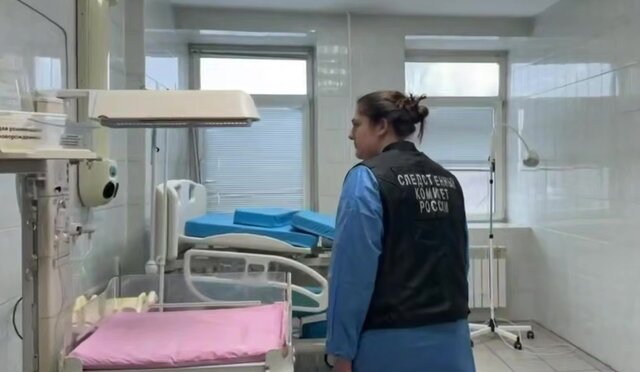
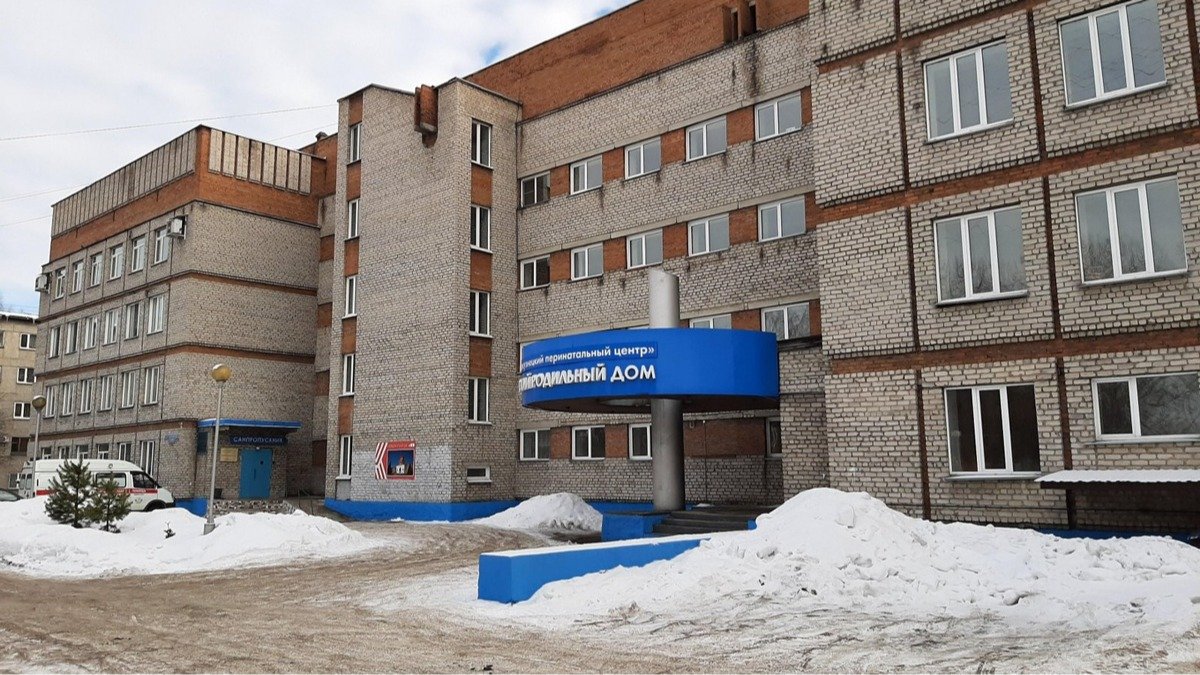
За время новогодних праздников в роддоме №1 Новокузнецка скончались девять новорожденных. Еще восемь младенцев находятся в тяжелом состоянии. Губернатор Кузбасса отстранил главврача, СК завел дело о халатности, а вирусологи допустили вспышку опасной инфекции с коротким инкубационным периодом. Следствие пока еще устанавливает причины трагедии, однако родители жалуются, что от них скрывают точную информацию, и рассказывают о некомпетентности и ужасающих условиях в медучреждении. Подробнее о гибели младенцев и о том, что переживают пострадавшие семьи, — в материале «Новой-Европа». Фото: Надежда Евтушенко / 2GIS.12 января NGS42.ru со ссылкой на источник сообщило, что роддом № 1 имени Курбатова в Новокузнецке «несколько дней назад» закрыли. В медучреждении, по данным издания, начали проверку сотрудники местного Минздрава и Роспотребнадзора. Вскоре власти объяснили закрытие карантином из-за вспышки ОРВИ. Однако источники регионального издания сразу связали это решение именно с массовой смертностью новорожденных. На следующий день из СМИ стало известно, что за две недели на новогодних праздниках в акушерском стационаре больницы скончались девять новорожденных. Министр здравоохранения Кузбасса Андрей Тарасов подтвердил гибель младенцев. В отдельные дни в роддоме за сутки могли умирать сразу по три ребенка, рассказало NGS42.ru со ссылкой на предварительные данные источника в региональном Минздраве. „ По данным ведомства, восемь рожденных там же детей остаются в тяжелом состоянии, четыре из них остаются под наблюдением в отделении интенсивной терапии. Смерть девяти младенцев подтвердили в Минздраве Кемеровской области. Как рассказали РБК в ведомстве, все умершие новорожденные перенесли внутриутробную инфекцию, и некоторые находились в отделении интенсивной терапии более 30 дней. Минздрав уточнил, что с 1 декабря по 11 января в роддоме приняли 234 родов. В этот период 17 детей находились в крайне тяжелом состоянии, 16 из них родились недоношенными, в том числе с экстремально низкой массой тела. Губернатор Кемеровской области Илья Середюк объявил, что главного врача роддома №1 Виталия Хераскова отстранили от должности на этот период. Херасков утверждает, что умершие младенцы родились с патологиями: — С конца декабря в роддоме родились много недоношенных детей с патологиями, все случаи разные, мы не считаем, что они между собой связаны в тенденцию. Но проверка еще идет. Вину врачей категорически отрицаю, — сообщил он Mash. Экскурсия в акушерское отделение Новокузнецкой горбольницы. Фото: Первая больница г. Новокузнецка.О проверках объявили сразу несколько ведомств: прокуратура, следственные органы, Роспотребнадзор и Росздравнадзор. Следственный комитет возбудил дело по двум статьям Уголовного кодекса: причинение смерти по неосторожности и халатность. По информации NGS42.RU, следователи работают непосредственно в роддоме и проводят допросы должностных лиц роддома. Сейчас роддом на санитарной обработке. Что известно о причинах трагедии Официально о причинах гибели младенцев пока ни власти, ни медучреждение не сообщали. Своими предположениями поделилась вирусолог, главный научный сотрудник Медико-генетического научного центра РАМН Анча Баранова. Она заявила, что необходимо незамедлительно провести эпидемиологическое расследование, так как, возможно, в учреждении найдут опасный вирус с коротким инкубационным периодом. Баранова отмечает, что, по имеющимся данным, заболевание было респираторным. Для того чтобы заражение и стремительное развитие болезни произошли именно в стенах роддома, требуется возбудитель с очень коротким инкубационным периодом. Например, респираторно-синцитиальный вирус (РСВ) для этой роли не подходит, так как его инкубационный период обычно более длительный. Среди возможных вариантов Баранова рассматривает вирусы гриппа, COVID-19, а также более редкие патогены, например, бокавирус. „ При этом ученая задается вопросом: если причиной стала инфекция, то почему не заболел ни один из взрослых в учреждении — медицинский персонал или родители? Источник NGS42.RU утверждает, что, возможно, в роддоме № 1 распространилась менингококковая инфекция. Кроме того, по данным другого собеседника издания, одной из возможных причин трагедии могла стать критическая нехватка медицинского персонала — обязанности квалифицированных медсестер в отделении, где произошли смерти, приходилось выполнять санитаркам. Официально эту информацию не подтверждали. «Нам только сказали, что скоропостижно ушла, и больше ничего» Родственница одной из женщин, чей новорожденный погиб в новокузнецком роддоме, рассказала изданию, что семья намерена объединиться с другими пострадавшими для подачи коллективного обращения в правоохранительные органы. Родные сообщили, что роженица поступила в учреждение 2 декабря с внеплановыми родами. В тот же день на свет появилась недоношенная девочка, которую сразу перевели в отделение реанимации. Родственники утверждают, что медицинский персонал проигнорировал своевременные обращения женщины о начале потуг: по их словам, роды приняла не бригада врачей, а сотрудник из числа младшего персонала. После рождения ребенка поместили в инкубатор, и в течение двух недель ее состояние стабилизировалось, девочка набирала вес. Однако перед Новым годом в отделении был объявлен карантин, и доступ родственников к младенцу прекратился. В январе состояние ребенка резко ухудшилось, а 11 января семье сообщили о ее смерти, не предоставив информации о причинах. «Нам только сказали, что скоропостижно ушла, и больше ничего. Только сегодня тело заберем и увидим заключение вскрытия. Хотим найти и других пострадавших. Мы так это не оставим, будем писать вплоть до Бастрыкина», — сказала девушка. Еще одна мать погибшего в январе новорожденного сообщила Baza, что в период трагических событий практически весь персонал роддома был болен. 26-летняя Арина Б. рассказала, что ее недоношенному ребенку стало плохо — у него стали резко колебаться показатели давления, после чего младенца перевели в реанимацию, однако спасти его не удалось. Фото: Яндекс Карты.По словам женщины, врачи первоначально назвали причиной смерти остановку сердца, однако патолого-анатомическое исследование выявило у ребенка инфекционное заболевание. Девушка также утверждает, что в те дни многие сотрудники роддома проявляли симптомы болезни — кашляли и чихали, а врачи и медсестры перемещались по отделениям без масок и перчаток. Отец другого погибшего младенца рассказал Baza, что утром после рождения ребенка медработники связались с ним и сообщили, что роды прошли успешно и что и с матерью, и с новорожденным всё в порядке. Однако уже вечером того же дня ему сообщили о смерти ребенка. По словам мужчины, сотрудники роддома не дали ему какие-либо объяснения о причинах трагедии. Нарушения в роддоме — не единичные Это самый массовый случай гибели младенцев в роддоме с конца 2010-х годов, отмечает «Агентство». Издание напоминает, что в 2024 году бывшего заместителя главного врача больницы, в структуру которой входит роддом №1, приговорили к восьми годам лишения свободы. По данным следствия, в 2020 году он, используя свое служебное положение, получил взятку в размере 258 тысяч рублей от поставщика медицинских расходных материалов для учреждения. „ С 2024 года у роддома зафиксировали около 150 нарушений, в частности, сотрудники не обеспечивали пациентов средствами для обработки рук, добавил источник NGS42.RU. Осенью прошлого года, как рассказывает Baza, во время преждевременных родов акушеры не сумели остановить схватки, в результате чего младенец получил тяжелую травму — ему оторвали руку. Пострадавшая утверждает, что новорожденного с травмой положили ей на грудь. — Во время потуг они буквально залезли в мою сестру и начали вытаскивать на тот момент еще живого ребенка, но оторвали руку и ребенок от этого погиб. Врачи завернули ребенка в какие-то тряпки, положили на грудь моей сестре, развернули лицо со словами: «Смотри, твоя мертвая девочка». Говорили ей: «27? Не работаешь? Занята родами? Ты ее, видимо, не сильно хотела, раз она мертвая родилась», — так описывала этот случай сестра потерпевшей. СК организовал проверку по статье о халатности. Однако администрация роддома заявила, что эта информация не соответствует действительности, а вся медицинская помощь оказывалась в соответствии с акушерскими осложнениями. Также, по данным Baza, на протяжении всего прошлого года от пациенток поступали жалобы на антисанитарные условия, халатность и некомпетентность персонала. Сообщалось о случаях, когда новорожденные получали травмы головы и тела, по словам рожениц, по вине медиков. Женщины назвали условия содержания ужасными и отмечали, что роды были сопряжены с повышенным риском.