government
Putin meets with Trump envoys for Ukraine talks
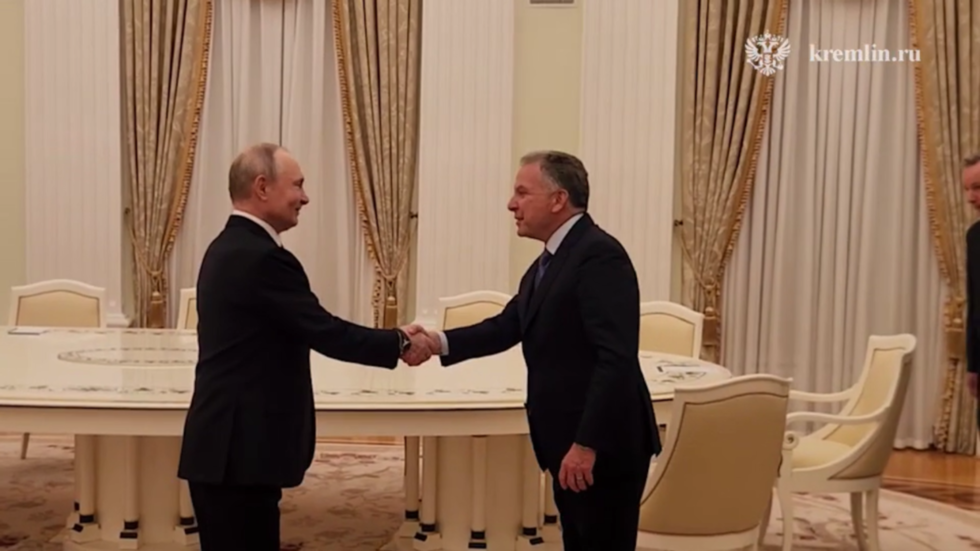
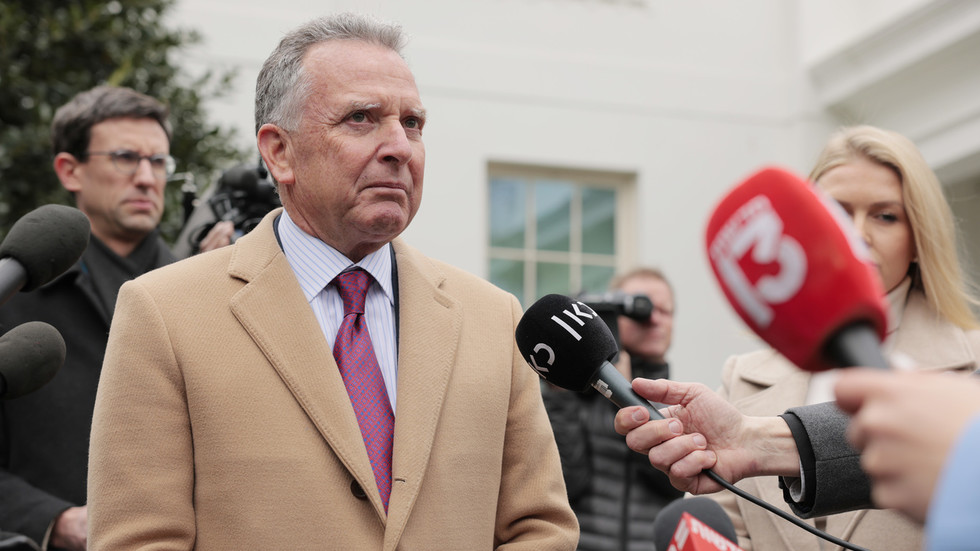
The US special envoy Steve Witkoff is in Moscow to discuss a settlement of the Ukraine conflict with Russian President Vladimir Putin
4 months ago
US Special Envoy Steve Witkoff is scheduled to meet Russian President Vladimir Putin in Moscow, with Kremlin spokesman Dmitry Peskov confirming the meeting is on Putin’s agenda for Thursday, January 22. Witkoff, traveling with Jared Kushner and other US delegates such as Josh Gruenbaum in some reports, is tasked by the Trump administration with advancing negotiations on a settlement to the Ukraine conflict. Both sides publicly agree that the talks build on recent rounds of diplomacy, including contacts in Davos and a planned meeting with a Ukrainian delegation the previous evening. Government-aligned coverage consistently notes that Washington has brought a 20-point peace plan to the table, that both Moscow and Washington express a desire for a deal, and that negotiations have narrowed to what Witkoff describes as a single remaining issue, primarily related to territorial questions.
Shared context in government-aligned reporting emphasizes that these talks take place within a broader framework of attempts to resolve the Ukraine crisis through high-level US–Russia engagement, with Ukraine represented through parallel contacts rather than as an absent party. Coverage notes that Witkoff frames the remaining disputes as technical details or land-related issues that can be solved if all parties show political will, suggesting a near-term opportunity for de-escalation. The same sources tie the Moscow meeting to wider economic and geopolitical themes, such as potential tariff-free arrangements to boost Ukraine’s economy, planned working groups in Abu Dhabi, and Russia’s interest in discussing the fate of frozen Russian assets held in the US. Government outlets present this as part of a structured, ongoing diplomatic track in which the US peace plan, Russian clarifications of Washington’s position, and multilateral contacts at venues like Davos and the World Economic Forum combine into a coherent process aimed at a negotiated settlement.
Framing of diplomatic momentum. Government-aligned outlets present the Witkoff visit as evidence of strong diplomatic momentum, stressing “great progress” and portraying the talks as being down to one solvable issue. Opposition sources, where they comment, tend to cast doubt on the depth of this progress, suggesting that public claims of being close to a deal may be overstated or primarily crafted for political optics. Government narratives describe Moscow as actively requesting the meeting and engaging constructively, while opposition voices question whether Russia’s interest is tactical leverage rather than a genuine commitment to a durable peace.
Characterization of the peace plan. Government-friendly coverage depicts Washington’s 20-point plan as a comprehensive and pragmatic roadmap, with land arrangements and economic incentives framed as reasonable trade-offs to end the conflict. Opposition commentators are more likely to characterize such a plan as opaque, elite-driven, and potentially laden with concessions that could sideline Ukrainian sovereignty or democratic oversight. While government sources emphasize technocratic problem-solving and the narrowing of issues, opposition narratives highlight the absence of public detail and fear that core principles may be negotiated behind closed doors.
Role and legitimacy of intermediaries. Government outlets normalize the involvement of Steve Witkoff, Jared Kushner, and other non-traditional envoys as a flexible, deal-oriented team able to unlock compromises. Opposition sources question the legitimacy and expertise of this circle, portraying it as dominated by business figures with unclear mandates and potential conflicts of interest. Government coverage underscores their proximity to Trump as a diplomatic asset, whereas opposition coverage frames that same proximity as a risk of personalized, non-institutional diplomacy that sidelines career diplomats and transparent processes.
Implications for Ukraine and broader geopolitics. Government narratives stress prospective economic benefits for Ukraine, including ideas like tariff-free zones and post-conflict reconstruction, and fold the talks into a larger story of stabilizing relations while discussing issues like frozen Russian assets. Opposition outlets focus more on possible geopolitical trade-offs, warning that concessions on territory or sanctions might embolden Moscow and undercut Western unity showcased at forums like Davos. Government-aligned sources depict the engagement as a pragmatic step toward de-escalation, while opposition critics fear it could reshape regional security in ways that primarily serve great-power interests rather than those of Ukraine.
In summary, government coverage tends to frame the Witkoff–Putin meeting as the near-culmination of a structured, high-level peace process that has narrowed the Ukraine conflict to one remaining, solvable issue, while opposition coverage tends to question the substance, transparency, and potential costs of these talks, casting doubt on both the envoys’ legitimacy and the long-term geopolitical implications.