opposition
«80% ожогов без кожи головы, отказали почки, мозг мертв». «Новая газета Европа» выяснила обстоятельства взрыва в сыктывкарском учебном центре МВД
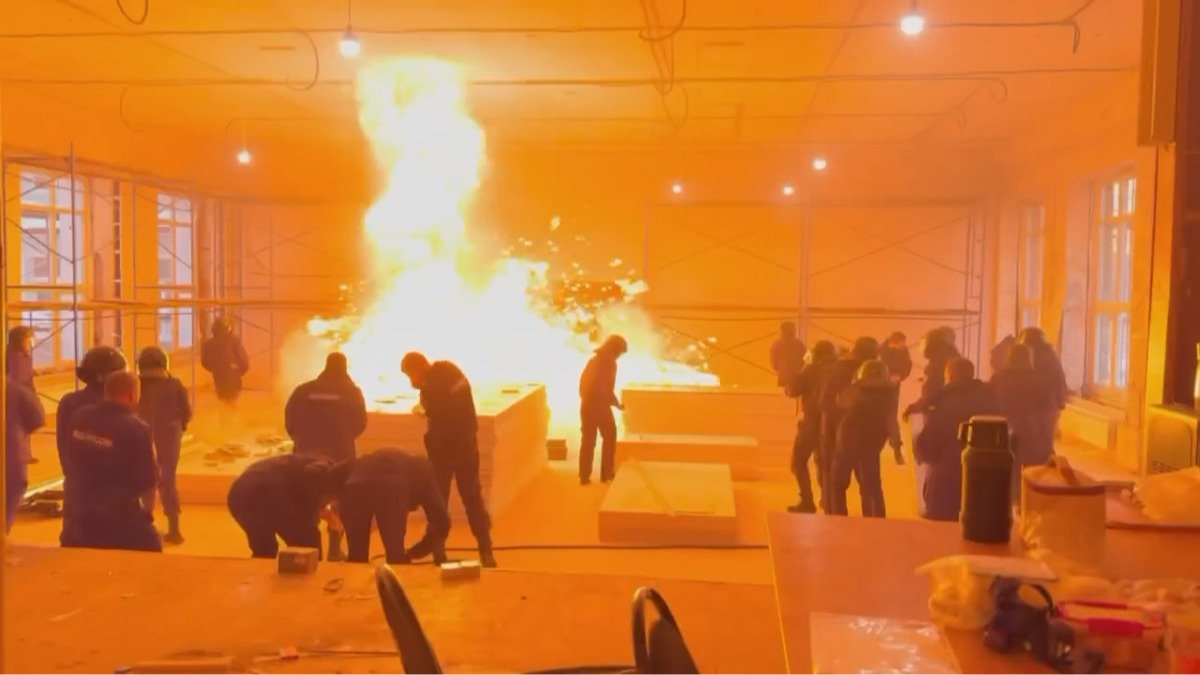
Момент взрыва в Центре профподготовки МВД в Сыктывкаре 15 января 2026 года. Фото: RT.15 января в сыктывкарском центре профессиональной подготовки МВД прогремел взрыв. Изначально было две версии произошедшего: взрыв светошумовой гранаты и проблемы в ходе строительных работ. Позже эти две версии объединились. По данным местного канала «Новая республика», в актовом зале, где проводились учения, находились лакокрасочные материалы, приготовленные для ремонта в училище. Именно они и загорелись, когда (предположительно) руководитель центра в ходе учений кинул светошумовую гранату. Источник, близкий к местной полиции, рассказал «Новой газете Европа», что в тот день «учения заключались в разгоне беспорядков с применением свето-шумовой гранаты». В них участвовали молодые полицейские младших курсов, большинству из них было около 20 лет. Изначально учения должны были пройти на улице, но руководитель центра профессиональной подготовки Антон Дашевский лично всех загнал в актовый зал. «Да ему, видимо, было удобно там: они работали в спецформе по типу ОМОН, а в ней холодно [на улице]», — рассказывает источник. С начала ремонта, говорит источник, это были первые учения, прошедшие в помещении. До ремонта учения, конечно, в актовом зале тоже проводили — и вообще, объясняет источник, в подготовленном помещении разрешено кидать гранаты, таких последствий бы не было. Но ремонт внес свои коррективы. Начальник Центра профессиональной подготовки МВД по Республике Коми Антон Дашевский. Фото: Сыктывкарский городской суд Республики Коми.Учения 15 января длились всего полторы минуты, сообщает источник, пока предположительно сам руководитель центра профессиональной подготовки Антон Дашевский не кинул гранату. Ее разрыв спровоцировал пожар. В тоже время BAZA сообщает, что гранату активировал преподаватель училища Владимир Опарин. На опубликованных в BAZA кадрах видно, что сильный пожар начался не сразу. Сначала это было лишь небольшое возгорание, которое попытались потушить. При этом учащихся из помещения никто не вывел. Вскоре пожар разгорелся, и тогда произошел взрыв:сдетонировали лакокрасочные материалы. Источник рассказывает, что ему известно об одной погибшей — 19-летней девушке, которая недавно устроилась в полицию. Также он говорит, что несколько человек на данный момент находятся в коме, поэтому число погибших может вырасти (в распоряжении редакции есть имя погибшей девушки и имена тяжело пострадавших). „ «Один парень в глубокой коме, 80% ожогов без кожи головы, отказали почки, мозг мертв. Девушка, 4 степень комы, сожгла себе органы, три раза признавалась мертвой, но сердце заводили, мозг мертв. О еще одном человеке мало знаю, только что у него 70% ожогов, и он тоже в коме», — говорит источник. Также он сообщает, что несколько пострадавших отправлены на лечение в Москву — это полицейские со средним и тяжелым состоянием. Семьям погибших же от государства будут оформлены выплаты — 3–5 миллионов рублей. Помещение Центра профподготовки МВД после происшествия. Фото: Следком РФ.Всего пострадали, по заявлению Минздрава Коми, 23 человека. «Все [в МВД] в панике, глава МВД республики в трауре, ночью после трагедии был спецрейс с группой следователей из Москвы, говорили, что прилетит Бастрыкин», — говорит источник. Также он рассказывает, что пострадавшие «не теряют силу духа». «По моему мнению, это была халатность и думали, что ничего не будет, русское “авось пронесет, не ссы, нормально будет”. Также неправильно поступил преподаватель: он начал тушить и не вывел молодых сотрудников. Справедливо обвинили всех. Это не норма, это вопиющая халатность», — говорит источник. Сейчас преподаватель Владимир Опарин, тушивший пожар, отправлен под домашний арест, ему грозит до 10 лет тюрьмы по статье о превышении должностных полномочий, повлекших причинение тяжких последствий (п.«в» ч. 3 ст. 286 УК). На суде он назвал себя «ветераном и участником боевых действий», а также сообщил о своих наградах и знаках отличия. Начальник центра же был отстранен от должности, а позже задержан. МВД по республике Коми проводит проверку. Пожарные машины у здания Центра профподготовки МВД. Фото: Прокуратура Республики Коми.
4 months ago