government
Kremlin urges patience on trilateral Russia-US-Ukraine talks
It would be a mistake to expect breakthroughs from the initial Russia-US-Ukraine talks, Kremlin spokesman Dmitry Peskov has said
3 months ago
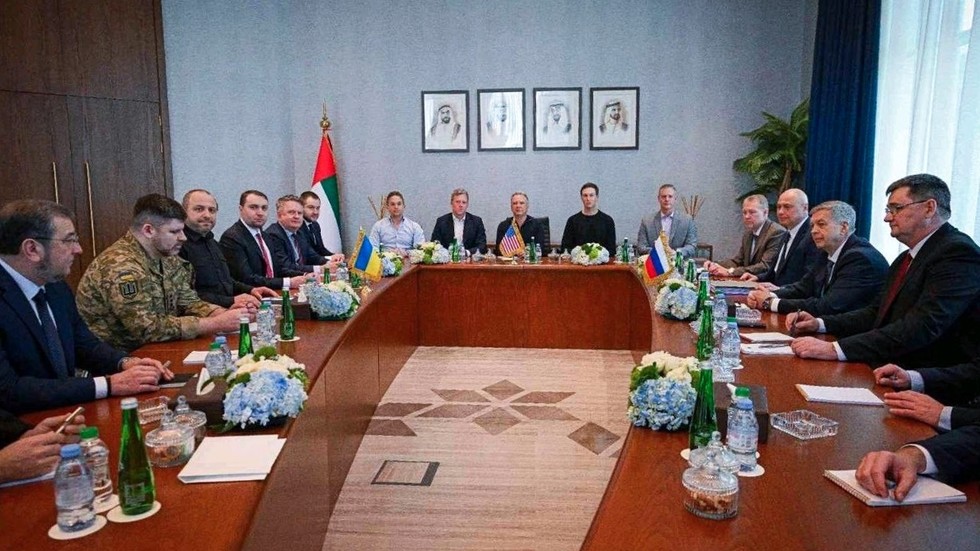
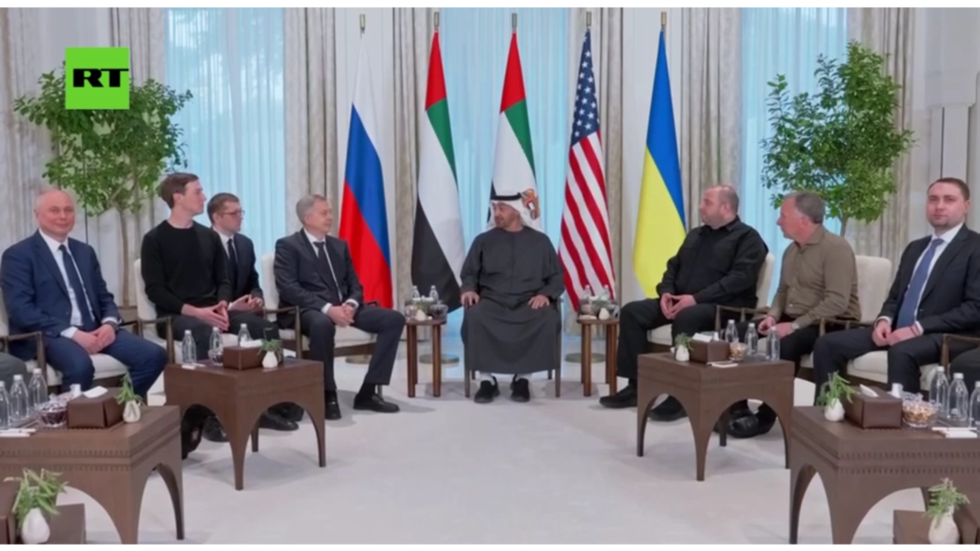
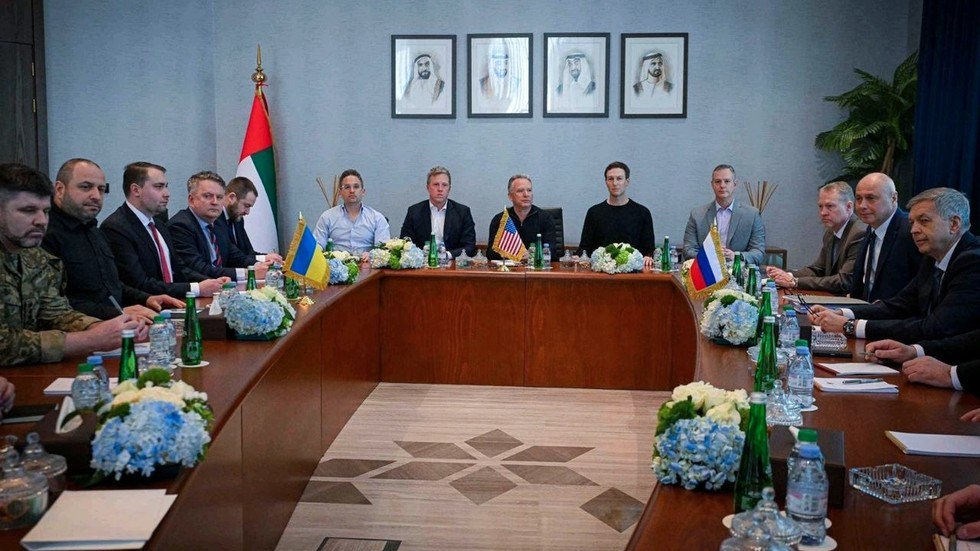
Russia, the United States, and Ukraine have begun trilateral talks in Abu Dhabi, described across both government and opposition outlets as the first such meeting since the full‑scale invasion in 2022. The talks, held at a technical and security level on January 23–24 in the UAE capital, involve delegations led on the Russian side by military intelligence chief Igor Kostyukov and on the Ukrainian side by Defense Minister Rustem Umerov, with US national‑security and diplomatic envoys participating. Reporting from both sides agrees that the meetings have focused on security arrangements and territorial questions related to Donbas and other occupied areas, including discussion of buffer zones and control mechanisms, and that participants characterized the atmosphere as generally positive or productive, while stressing that any concrete conclusions are still premature. Both camps also concur that the sessions have either already been extended or are expected to continue, with the possibility of follow‑up meetings as early as next week.
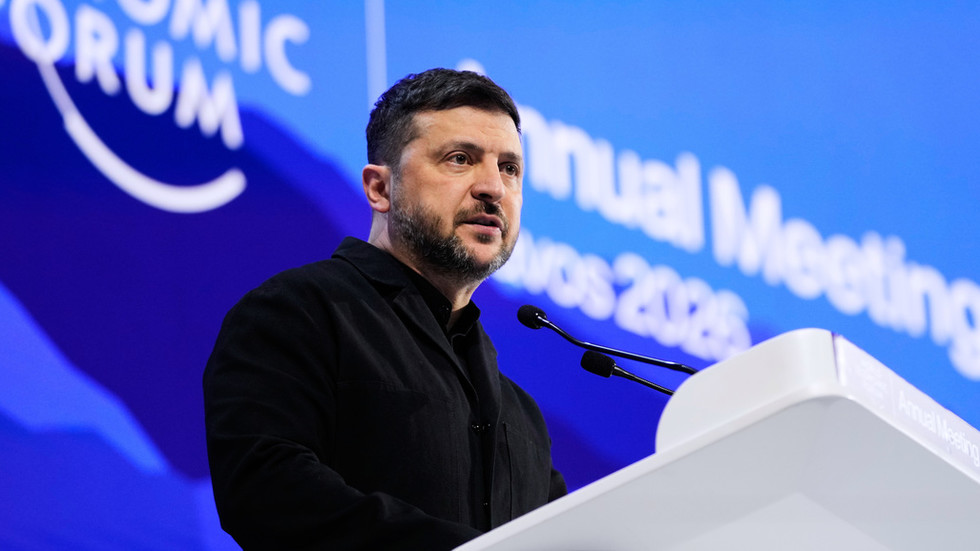
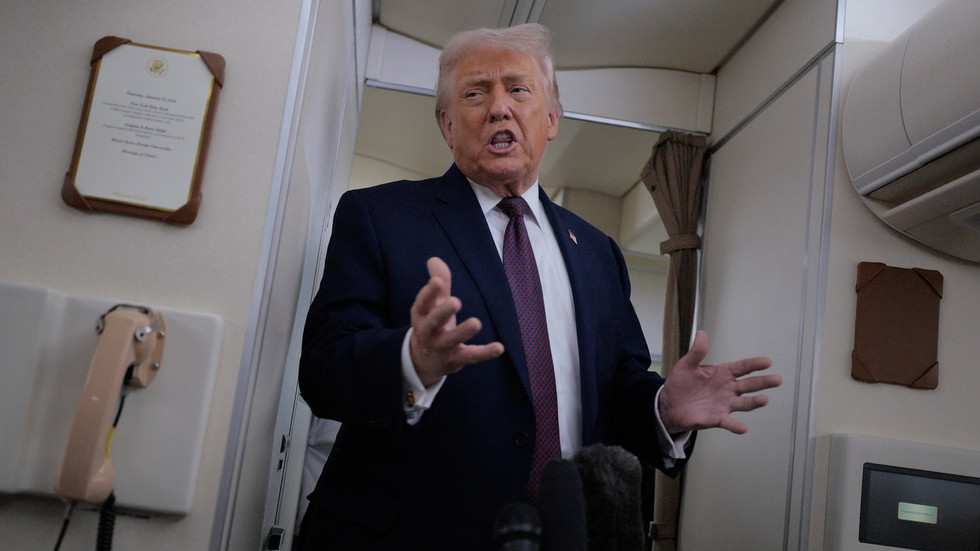
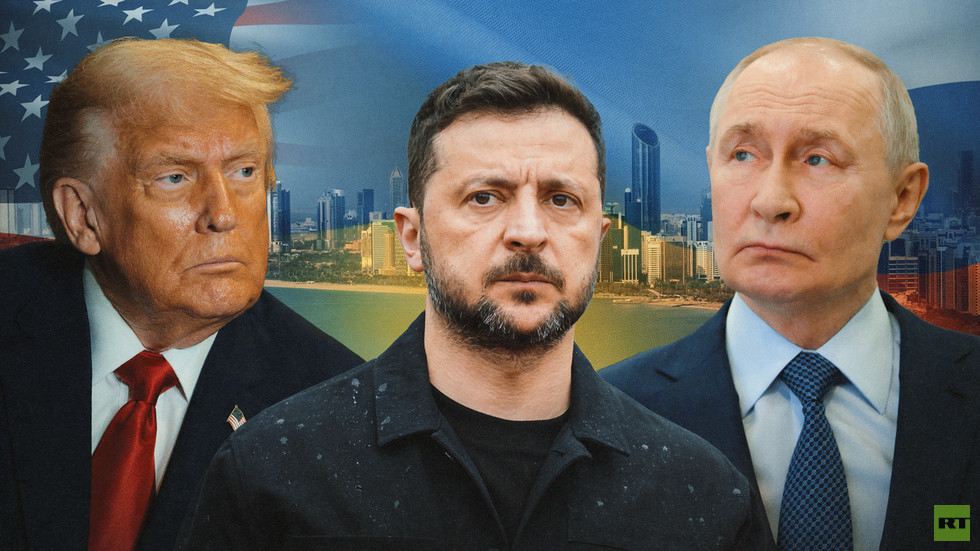
Across outlets, the talks are placed within a broader diplomatic sequence linking Davos discussions between US President Donald Trump and Ukrainian President Volodymyr Zelensky, previous contacts between Russian officials and US envoys in Moscow, and the prospect of a future leaders’ summit between Vladimir Putin and Zelensky. Both government and opposition sources highlight that territorial control remains the most difficult issue and that any compromise would be tied to wider packages involving security guarantees for Ukraine, with US guarantees described as more central than European ones and a separate US‑Russia economic track also mentioned. They converge on portraying these talks as an exploratory phase in a potential peace process rather than a decisive breakthrough, noting that delegations are expected to report back to their capitals for further political guidance. Despite differing narratives on motives and leverage, coverage from both sides agrees that Abu Dhabi has become a key testing ground for possible frameworks to end or freeze the conflict, centered on security architecture, economic arrangements, and the status of contested territories.
Framing of initiative and ownership. Government‑aligned media typically frame the Abu Dhabi talks as part of a deliberate, structured process in which Russia is a co‑author and the United States acknowledges Moscow’s indispensable role, emphasizing Trump’s initiative but presenting it as recognition of Russian security concerns. Opposition outlets, while also noting Trump’s mediation, stress Ukrainian agency and portray Zelensky as having successfully drawn both Washington and Moscow to a table shaped by Kyiv’s conditions, casting Ukraine less as an object and more as a co‑designer of the format. This contrast leads government sources to underline Russian diplomatic maturity and readiness for dialogue, whereas opposition coverage highlights Ukraine’s diplomatic resilience and the West’s central leadership.
Territorial questions and end‑state. Government coverage emphasizes that the hardest issue is territory and often presents Russian demands—such as Ukrainian withdrawal from Donbas or de facto recognition of existing lines of control—as the pragmatic basis for peace, sometimes linking potential economic aid or security guarantees to Kyiv’s acceptance of new realities. Opposition media, by contrast, acknowledge territory as the core dispute but frame any discussion of concessions as exploratory or hypothetical, stressing that Ukraine has firmly rejected formal recognition of Russian claims and views prolonged resistance as ultimately forcing Moscow to compromise. As a result, government outlets tend to present territorial adjustments as an inevitable element of any settlement, while opposition outlets depict them as a red line that Ukraine seeks to avoid crossing.
Security guarantees and external actors. In government‑aligned reports, US security guarantees are portrayed as paramount for Ukraine, but also as an instrument Washington can use to press Kyiv toward a deal that accommodates Russian security interests, with European initiatives relegated to a secondary role. Opposition coverage similarly notes the primacy of US guarantees but interprets this as evidence of Europe’s diplomatic weakness and of Washington’s commitment to Ukraine’s long‑term defense, not as leverage to enforce territorial compromise. Government media thus underscore US‑Russia bargaining and a potential grand bargain over European security, whereas opposition outlets stress a US‑Ukraine axis focused on constraining Russian aggression and embedding any deal in robust Western backing.
Military pressure versus diplomacy. Government outlets repeatedly underline that Russia remains ready to achieve its aims militarily if diplomacy fails, casting ongoing operations and sanctions pressure as bargaining chips that should push Kyiv and Washington toward a settlement on Moscow’s terms. Opposition media acknowledge continuing Russian military pressure but frame it as evidence of Moscow’s inability to obtain what it wants at the table, arguing that Ukraine’s resistance and Western sanctions are what made these talks possible and will shape their outcome. Consequently, government coverage uses the talks to signal Russia’s dual track of negotiation plus force, while opposition coverage interprets the same dynamic as proof that only sustained pressure can yield acceptable diplomatic options for Ukraine.
In summary, government coverage tends to present the Abu Dhabi talks as a structured process validating Russia’s central role and making territorial adjustments and US‑brokered guarantees appear like pragmatic, inevitable components of a settlement, while opposition coverage tends to frame them as hard‑won diplomatic openings created by Ukrainian resistance, where Western backing should lock in security gains without capitulating on sovereignty or borders.