government
Egypt responds to Trump’s offer to mediate Nile dispute
US President Donald Trump has stated his desire to restart talks between Egypt and Ethiopia to resolve a dispute over the Nile River
4 months ago
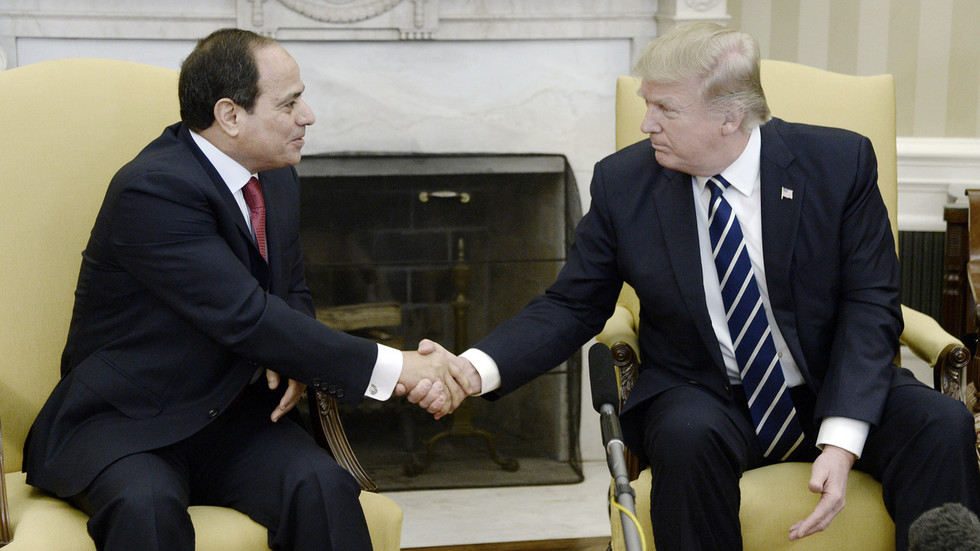
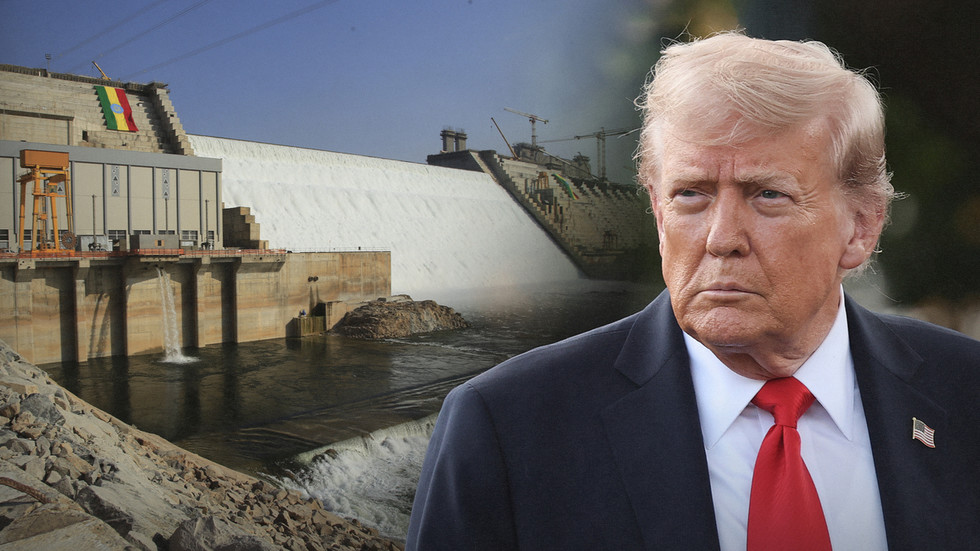
Egyptian and regional government-aligned outlets broadly agree that US President Donald Trump has offered to mediate the dispute between Egypt, Ethiopia and Sudan over the Grand Ethiopian Renaissance Dam on the Nile, and that Cairo has publicly welcomed this offer. They report that Trump has vowed his administration will work to “settle” the issue, asserting that an agreement was close during his previous term, and that renewed US engagement follows the collapse of earlier Washington-brokered talks. Across these accounts, Ethiopia is described as insisting on the dam’s centrality to expanding its electricity generation and national development, while Egypt and Sudan are presented as deeply concerned about potential reductions in downstream water flows and risks to water security and dam safety.
These same outlets emphasize that the GERD dispute sits within a broader, long-running regional contention over Nile water sharing, involving existing treaties, African Union diplomacy, and prior rounds of technical and political negotiations. They agree that US involvement is framed as an attempt to revive a diplomatic track after earlier processes stalled, with Sudanese voices in particular portrayed as seeing possible benefits in American mediation for achieving a more balanced or fair settlement. The coverage also situates Trump’s intervention against the backdrop of previous US-brokered understandings and the need for legally binding arrangements on dam filling and operation, underscoring shared recognition that the dispute intertwines energy development, water security, and regional stability.
Framing of Trump’s role. Government-aligned coverage depicts Trump’s offer to mediate as a constructive, potentially decisive step that Egypt and Sudan can leverage to secure their water interests, often echoing his claim that the dispute was nearly resolved under his earlier involvement. In the absence of explicit opposition media here, critical perspectives would likely question the reliability and motives of renewed US mediation, suggesting Trump’s framing overstates past progress and underplays Ethiopian reservations. Government narratives tend to highlight Egypt’s quick welcome of the initiative as prudence and diplomatic agility, whereas opposition voices would probably stress risks of overdependence on Washington at the expense of African-led processes.
Balance between upstream and downstream interests. Government outlets underline Egypt’s and Sudan’s vulnerabilities to any reduction in Nile flows, characterizing their concerns as legitimate existential issues requiring firm guarantees, while describing Ethiopia’s electricity ambitions as understandable but negotiable. Opposition-oriented analyses would more sharply emphasize Ethiopia’s sovereign right to development and criticize what they might see as an Egyptian government tendency to lean on external pressure rather than equitable basin-wide arrangements. While official-leaning media present US mediation as a means to secure a balanced compromise, opposition voices would likely argue that current diplomacy remains tilted toward downstream priorities and fails to fully acknowledge upstream needs.
Assessment of previous US-brokered talks. Government-aligned reporting generally recalls earlier US-backed negotiations as almost successful, interrupted by external factors rather than structural flaws, and suggests that reviving a similar framework could quickly yield results. A more opposition-minded perspective would likely argue that the prior US process was perceived by Ethiopia as biased, and that simply reinstating it risks repeating the same deadlocks. In official narratives, American involvement is portrayed as a missed opportunity worth restoring, while critics would cast it as a flawed model that needs recalibration, greater transparency, and stronger African institutional ownership.
Domestic political implications. Government media tend to portray acceptance of Trump’s offer as evidence of responsible statecraft by Egyptian authorities, showing them actively pursuing all international avenues to protect national water security. Opposition perspectives, by contrast, would be inclined to frame this as another example of the government outsourcing a core strategic file to external patrons, potentially limiting Egypt’s negotiation flexibility and regional alliances. Official narratives stress unity and national interest around the GERD issue, while critical outlets would likely connect the mediation choice to broader concerns about foreign policy autonomy and accountability in handling vital resources.
In summary, government coverage tends to treat Trump’s renewed mediation as a welcome, potentially pivotal diplomatic opportunity that validates Egypt’s stance and promises a fair settlement, while opposition coverage tends to question the credibility and balance of US-led efforts, warning that overreliance on Washington may entrench existing asymmetries and sideline more sustainable, regionally anchored solutions.