government
Trump threatens 100% tariff on Canada over China
The US president has said Ottawa would face sweeping tariffs if it proceeds with a trade agreement with Beijing
4 months ago
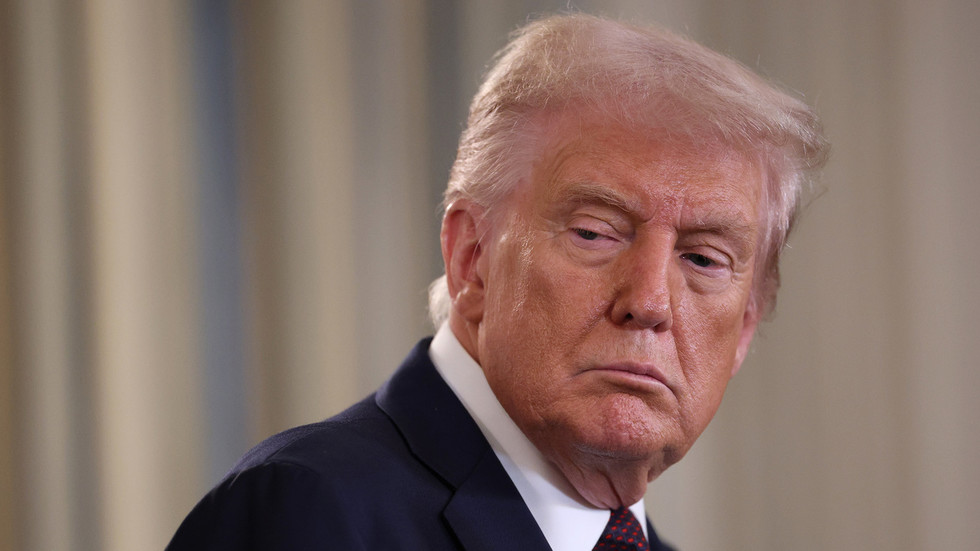
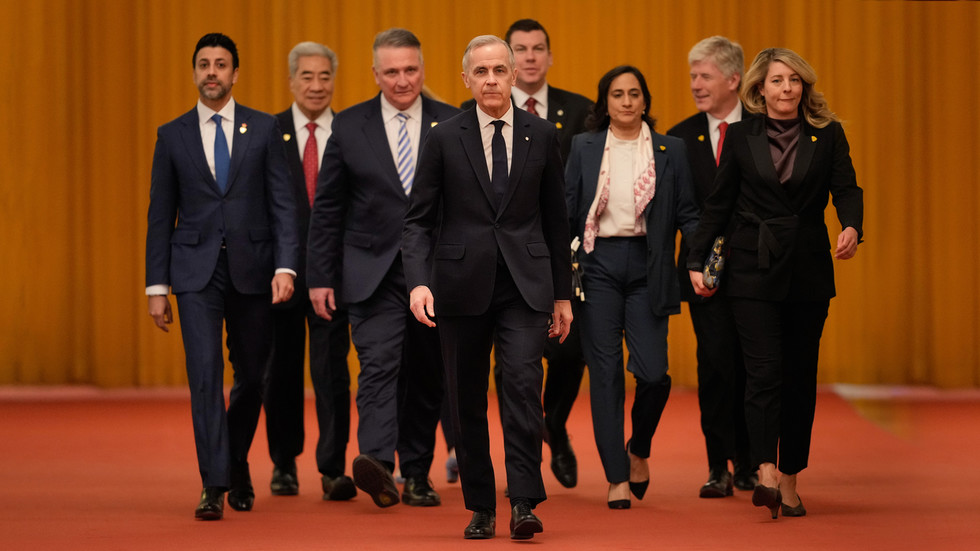
U.S. President Donald Trump has publicly threatened to impose a 100% tariff on all Canadian goods entering the United States if Canada proceeds with a new trade arrangement with China, according to multiple reports. Both government-aligned and opposition narratives agree that Trump frames the threat as a response to Beijing allegedly trying to use Canada as a backdoor to circumvent existing U.S. trade barriers, particularly on Chinese exports. They also concur that the immediate trigger is Canadian Prime Minister Mark Carney’s recent trip to China, during which he reached a preliminary agreement aimed at easing specific trade barriers and restoring economic links. Coverage from both sides notes that this dispute unfolds against already strained U.S.–Canada relations, exacerbated by Carney’s public criticism of Trump’s interest in Greenland and remarks made around the World Economic Forum.
Across outlets, there is broad agreement that Canada is attempting to rebalance its economic strategy by diversifying trade while remaining formally aligned with U.S. security and alliance structures. Government and opposition sources alike highlight that Carney’s China visit focused on a roadmap that reduces tariffs and lifts certain restrictions to stabilize Canada’s economy in a period of global uncertainty. They describe a shared structural context in which U.S. allies face mounting pressure to manage relations with both Washington and Beijing, particularly on supply chains and market access. Both sides also recognize that the episode feeds into larger debates about strategic compatibility within Western alliances and the risk that economic diversification can generate friction with the United States.
Motives and framing of Trump’s threat. Government-aligned coverage tends to portray Trump’s 100% tariff threat as a calculated negotiating tactic rooted in legitimate concerns about Chinese circumvention of U.S. trade defenses, emphasizing the defense of American workers and industries. Opposition coverage, by contrast, is more likely to cast the move as impulsive, politically driven, or disproportionate, arguing that it weaponizes tariffs against a close ally and destabilizes North American economic integration. While government narratives focus on strategic signaling to both Ottawa and Beijing, opposition narratives stress the risks of escalation and collateral economic damage.
Characterization of Canada’s China outreach. Government sources generally describe Carney’s trade roadmap with China as a pragmatic, rules-based effort by a U.S. ally to diversify economic ties without abandoning security commitments to Washington, sometimes even presenting it as potentially compatible with U.S. interests if properly coordinated. Opposition-aligned coverage is more apt to frame the same outreach as either naïve about China’s strategic intentions or opportunistic in exploiting perceived gaps in the U.S. trade regime, warning that it could undercut collective leverage on Beijing. In some opposition narratives, Canada’s move is depicted as inviting punitive U.S. measures and exposing rifts within the Western camp.
Interpretation of alliance strains. Government-aligned outlets often downplay the long-term damage to the U.S.–Canada relationship, suggesting that despite harsh rhetoric and tariff threats, institutional ties and shared security interests will ultimately contain the fallout. Opposition coverage tends to highlight the episode as symptomatic of deeper erosion in trust between Washington and key allies, citing Carney’s public criticism of Trump and the Greenland controversy as evidence of accumulating grievances. Where government narratives stress ongoing dialogue and the resilience of the alliance, opposition narratives underscore reputational costs and a chilling effect on allied coordination.
Economic risk versus strategic leverage. Government coverage typically emphasizes the potential effectiveness of tariff threats as leverage to push both Canada and China toward arrangements more favorable to U.S. trade and security priorities, framing short-term market jitters as an acceptable cost. Opposition outlets are more likely to foreground the economic risks to North American supply chains, Canadian exporters, and U.S. consumers, arguing that such brinkmanship undermines predictability and investor confidence. This leads government narratives to prioritize strategic coercion as a tool of statecraft, while opposition narratives prioritize economic stability and multilateral negotiation.
In summary, government coverage tends to present Trump’s tariff threat as a tough but rational defense of U.S. trade and security interests within a still-resilient alliance framework, while opposition coverage tends to portray it as destabilizing, economically risky, and indicative of a deeper deterioration in relations with a key ally.