opposition
Война всех против всех. «Админ» канала неонацистов в разговоре с «Новой-Европа» снова назвал уничтожение таблички Политковской акцией группировки. Что еще о них известно?
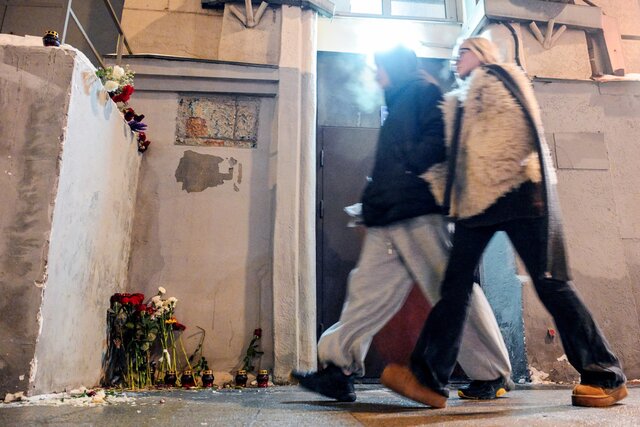
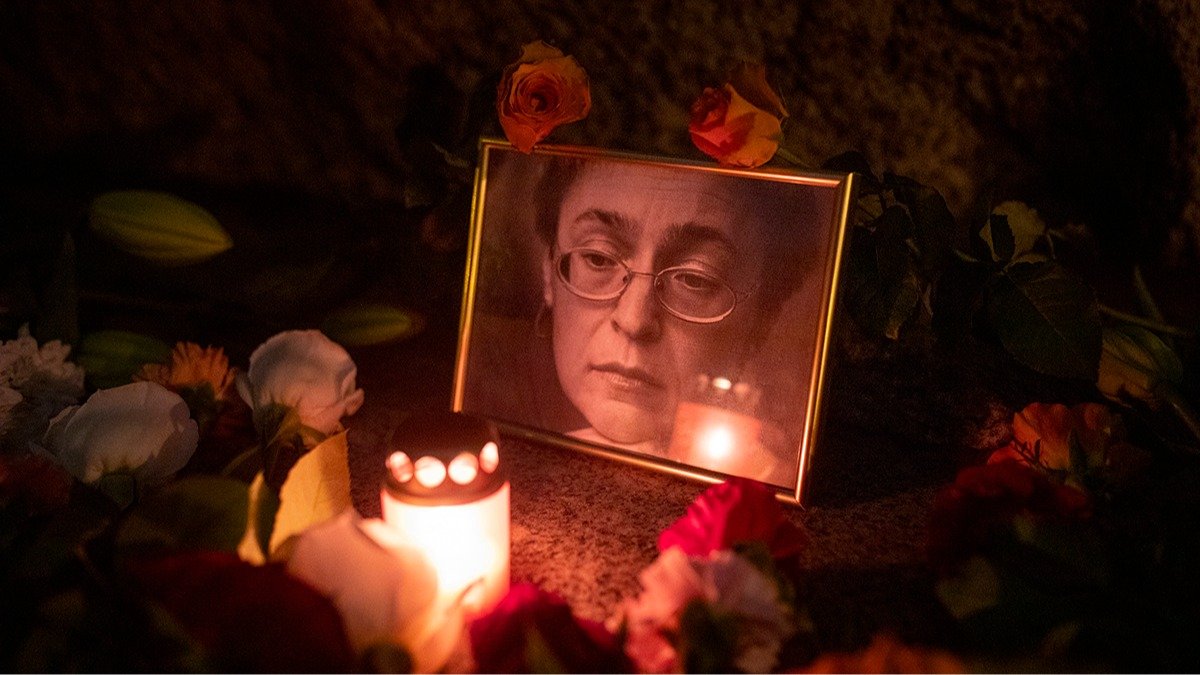
Накануне очередной годовщины убийства Станислава Маркелова и Анастасии Бабуровой в Москве была уничтожена мемориальная табличка памяти журналистки Анны Политковской на ее доме на Лесной улице. На месте убийства на Пречистенке появились плакаты, оскорбляющие погибших адвоката и журналистку. В связи с этим СМИ упоминают группировку NS/WP — информация о причастности появилась в одном из закрытых нацистских чатов. «Новая газета Европа» писала об NS/WP недавно, 30 декабря, в связи с приговором членам запрещенной в РФ организации по делу о покушении на пропагандист Владимира Соловьева. С момента выхода публикации группировка опубликовала подробности антисемитского убийства в Одессе. «Новая газета Европа» связалась с «борцами за белую расу». Фото: Новая Газета Европа .Перезапуск после психбольницы NS/WP — название нацистского форума середины 2000-х, где знакомились и выкладывали ролики с насилием ультраправые подростки, многие из которых потом попадали за решетку за расистские убийства, в том числе серийные. Российская система правосудия работает не быстро, только в 2021 году Верховный суд РФ признал NS/WP террористической организацией: сейчас это дает возможность правоохранителям выдвигать достаточно серьезные обвинения за любую причастность к их деятельности. Правда, и деятельности никакой у NS/WP могло бы не быть, но в том же 2021 году после принудительного лечения освободился Андрей Пронский, один из форумчан 2000-х годов. Он провел 9 лет в закрытой психбольнице за убийство знакомого с еврейскими корнями и последующим глумлением над трупом (под видеозапись). Пронский перезапустил NS/WP с одним из его создателей в 2000-х годах, неонацистом Романом «Зюхелем» Железновым. Железнов к тому времени успел отсидеть в России, в 2014 году переехал в Украину и там повоевал против донбасских сепаратистов в составе батальона «Азов». В 2017 году Железнов поссорился с украинскими националистами: бывшие товарищи его избили и вывесили видеозапись его унижений в интернете. С тех пор местонахождение Железнова неизвестно: была информация о том, что он может находиться в Европе. Пронский пробыл на свободе недолго: в конце апреля 2022 года он с группой соратников был арестован по обвинению в подготовке покушения на телепропагандиста Владимира Соловьева и еще ряде преступлений. В декабре 2025 года Пронский был осужден на пожизненное лишение свободы. Между тем, от имени NS/WP регулярно публикуется контент с расистским насилием из России и Украины. «Новая газета Европа» связалась с администратором NS/WP: по стилистике, его ответы напоминают старые интервью и тексты Романа Железнова, но мы не можем утверждать, что отвечал именно он. Андрей Пронский (на переднем плане) в суде. Фото: Медиазона.Атаки За разбитую мемориальную табличку Анны Политковской 18 января был задержан религиовед с правыми взглядами, бывший сотрудник ТАСС и «РИА Новости» 44-летний Александр Филиппов. Согласно протоколу, в суде он вину не признал, говорил, что ничего не ломал, а подошел, чтобы убрать лежащие рядом увядшие цветы, и в этот момент табличка упала сама. Тверской районный суд Филиппову не поверил и оштрафовал его на 1000 рублей за мелкое хулиганство. Редакция «Новой газеты», где работала Анна Политковская, и ее дети требуют от властей возбуждения уголовного дела по факту вандализма — невозможно увядшими цветами отбить мемориальную доску от стены здания, для этого нужен был молоток или кувалда — табличка была именно сбита. Есть и другие ошибки в протоколе. Время задержания указано 00-03 18 января, в то время как доска была разбита в воскресенье вечером. Религиозный монархист, как называет себя Филиппов, говорит, что шел потанцевать в «Депо». Тем более, по воскресеньям «Депо» работает до 23 часов. Где он собирался танцевать в фудкорте — вопрос интересный, но не главный. Интереснее, почему религиовед в ночь на Крещение не стоял в очереди в прорубь. В протоколе также указано, что Филиппов ранее не привлекался к ответственности. Издание «Агентство» обнаружило, что у журналиста Филиппова А. С. всё же было обвинение в самоуправстве в 2003 году. «Новая газета» считает, что „ скоропостижный штраф за мелкое хулиганство — это лишь прикрытие, чтобы отказать в возбуждении уголовного дела: судить дважды за одно и то же закон запрещает. На месте мемориальной доски активисты установили новую, из гипсокартона. Однако, назавтра ее сорвали. На следующий день ситуация повторилась — табличку снова уничтожили. Журналисты поговорили с местной жительницей, которая призналась, что это она срывает памятный знак — «потому что она (табличка) мне никогда не нравилась, жильцы согласия не давали, а Политковская здесь не жила, это была явочная квартира». Эти высказывания трудно оценивать критически, как и ментальное здоровье этой женщины. Но таблички на доме 8/12 по Лесной улице нет. При этом NS/WP еще раз подтвердили свою причастность к этой ситуации: об этом свидетельствует переписка «Новой газеты Европа» с представителем группировки, разбитая табличка Политковской упоминается в ней как одна из их акций. Напомним, что NS/WP признан в России террористической организацией. Разбитая мемориальная табличка памяти журналистки Анны Политковской. Фото: Новая Газета.— Есть NS/WP как объединение конкретных людей, и есть движение (support) — те, кто себя хотят с нами ассоциировать, выражая по мере своих возможностей солидарность разными способами. […] По очевидным причинам мы не будем говорить, что человек, исполнивший это, — наш соратник, дабы тот не получил дополнительный квалифицирующий состав, — так администратор нацистского ресурса высказался о Филиппове. Вандализм в отношении мемориальной таблички Анны Политковской для нацистов не очень понятен: Политковская работала в «Новой газете», открыто конфликтовала с кадыровцами и была убита в 2006 году в подъезде своего дома на Лесной улице. Объектом ненависти ультраправых «Новая газета» стала позже, когда активно включилась в расследование убийства своей журналистки Анастасии Бабуровой и адвоката Станислава Маркелова и помогла разгромить группировку БОРН, стоявшую за этим, и еще десятков убийств на национальной почве. Готовившая покушение на Соловьева группа Пронского также рассматривала возможность убийства нобелевского лауреата Дмитрия Муратова. В 2000-х Железнов собирал информацию об антифашистах и публиковал на отдельном сайте: данные использовалась центром Э и различными ультраправыми группировками, тем же БОРН, Боевой организаций русских националистов. Получается, неонацисты из NS/WP ненавидят всех: антифашистов и кадыровцев, Соловьева и Муратова, украинцев и z-патриотов, Анну Политковскую и «Новую газету», мигрантов и евреев. Это каша в голове, жажда денег или последовательная идеология ненависти? Об этом мы спросили администратора канала NS/WP. Переходники Видео группировки не находятся в открытом доступе: Telegram известен более широким, чем другие соцсети, подходом к тому, что можно публиковать на платформе. Но ролики с расистским насилием вычищают и тут. Правда, только из открытых каналов Telegram, а приватные каналы не модерируются. NS/WP создает «переходники»: относительно нейтральные каналы, где публикуются ссылки на приватные каналы, уже со сценами насилия и расистской пропагандой. Корреспондент «Новой газеты Европа» через «переходник» попал в закрытый канал NS/WP. Там опубликовано много роликов с пафосными призывами «защитить чистоту белой расы», «возвыситься над обывателями» и т. п. И много эпизодов поджогов и избиений. Ролики с насилием в большинстве своем очень размытые. Сумерки, какие-то силуэты, крики и удары. Часто довольно сложно понять, что происходит. В таком же антураже обычно снимаются и ролики с поджогами. Видно, что горят какие-то машины или строения, но только из описаний можно понять, что это место жительства или собственность мигрантов. Ролики с поджогами, где легче всего опознать объекты атаки, — на которых горят машины с наклеенными буквами Z, таких роликов у NS/WP много. Администратор NS/WP заявил в переписке с корреспондентом «Новой газеты Европа», что политические системы и России, и Украины группировка считает «антинародными режимами». „ — Глобальная цель — новый миропорядок после тотальной войны (все против всех), в ходе которой у людей сформируется расовое сознание, — утверждает он. Место убийства главы еврейского благотворительного фонда «Рахамим» Дениса Требенко. Фото: Антифа ру / Telegram.Антисемитское убийство в Одессе За размытыми роликами с непонятным насилием в сумерках могут скрываться и реальные преступления. 13 января NS/WP взяли на себя ответственность и опубликовали видео убийства, совершенного еще 9 декабря в Одессе. В декабре стало известно об убийстве главы еврейского благотворительного фонда «Рахамим» Дениса Требенко. Правоохранители выдвигали версию убийства из-за долгов: Требенко и сам был должником на десятки тысяч долларов, и ему были должны десятки тысяч долларов. Сепаратистские медиа Украины писали о Требенко как о человеке, причастном к промайдановскому движению в Одессе в 2014 году и трагедии с гибелью людей в Доме профсоюзов. Два собеседника «Новой газеты Европа» среди иудеев Одессы рассказали, что Требенко в разное время имел отношение к разным еврейским общинам города, но не входил в число лидеров ни одной из них. И определенно не имел никакого отношения к событиям, приведшим к пожару в одесском Доме профсоюзов. Администратор NS/WP рассказал, что группировка ждала месяц, прежде чем взяла ответственность, дабы обеспечить безопасность киллера. — Это сугубо символический акт, реакция на интервью главы правления объединенной еврейской общины Украины Шмуэля Каминецкого о том, что после войны демографическую катастрофу Украины «исправят» иммигранты, — заявил он. Ирина Фарион. Фото: Wikimedia.В закрытом канале NS/WP пост об убийстве Требенко сопровождается видеороликом, где также цитируются слова Каминецкого о мигрантах в послевоенной Украине. Убийство Требенко — не единственный эпизод деятельности NS/WP в Украине. Среди свежих роликов — поджог палатки с шаурмой в Киеве. В 2024 году во Львове ультраправый, связанный с NS/WP, расстрелял экс-депутата Ирину Фарион, одну из самых известных украинских националисток. Это убийство NS/WP мотивировали тем, что Фарион пропагандировала ненависть к русским. — В России у силовиков есть профильные структуры УЗКС ФСБ и ГУПЭ МВД, а также дела с полноценным оружием куда сложнее, — так администратор NS/WP прокомментировал, почему у группировки резонансные политические убийства сейчас получаются в Украине, а не в России. Убить сразу всех При этом администратор NS/WP подтвердил «Новой газете Европа» версию обвинения в отношении группы Пронского: о том, что покушение на Владимира Соловьева в Москве готовилось в координации с украинскими спецслужбами, которые в случае успеха обещали смягчить срок их харьковскому товарищу Артему Дериглазову, отбывающему пожизненный срок за убийство милиционера в 2010 году. „ — Безумным выглядит разве что пренебрежение Пронским правилами конспирации, что привело к раскрытию и уничтожению первого состава московской автономной диверсионной группы. Соловьев смертен, как и любой другой. Шанс, конечно, был, — считает он. Напомним, по версии следствия, озвученной в суде, убить телеведущего и пропагандиста Соловьева планировал киллер, переодетый в доставщика пиццы. Но что-то пошло не так. За успешную ликвидацию Соловьева неонацистам обещали помощь уехать из России в Европу. Такой вот прагматичный национализм. Подростков, обвиняемых в подготовке покушения на Маргариту Симоньян, также считают причастными к NS/WP. Летом 2025 года «Новая газета» опубликовала расследование о том, что эту группу молодых московских наци-скинхедов возглавил некий «Фаш», мужчина значительно старше их. Он вовлек их в подготовку покушения на телепропагандистку, и в уголовном деле никак не фигурирует. — После получения материалов дела и верификации дополнительной информации от других людей он («Фаш». — Прим. ред.) был публично исключен коллективным решением. На этом история с ним не была окончена. После была арестована девушка (участница голосования за исключение из группировки «Фаша». — Прим. ред.), мы расцениваем это не иначе как месть его кураторов, — утверждает администратор нацистского портала. Российские скинхеды во время пикета в центре Москвы, 10 апреля 2002 года. Фото: Сергей Карпухин / REUTERS / Scanpix / LETA.Собеседник «Новой газеты Европа», отслеживающий деятельность ультраправых в России, отмечает, что NS/WP — очень раскрученный бренд в соответствующей среде. Поэтому люди, желающие заниматься расистским насилием, легко соглашаются действовать под этой вывеской. — В любом обществе всегда есть процент радикалов, в том числе — ультраправых, а закупорка политической системы приводит к уничтожению нормальных форм выражения мнений и толкает людей в маргинальщину и радикализм. Первая причина — общая. Вторая — специфическая российская, — Даниил Константинов, правый российский политик, находящийся в эмиграции, объясняет популярность группировки отсутствием возможностей для легальной деятельности в России. В переписке с «Новой газетой Европа» администратор NS/WP обозначил целью своей деятельности дальнейшую «эскалацию реального насилия». Достижимо это в том числе путем денежных вливаний. Он утверждает, что „ у группировки есть возможности финансово поддерживать своих поклонников. Собеседник «Новой газеты Европа» среди антифашистов не исключает, что у NS/WP могут быть какие-то средства с торговли оружием, наркотиками или шантажа людей, которых они могут обвинять в педофилии. — Тех, кто действуют сообразно с нашими принципами, поддерживаем криптовалютами, оружием или рекламой. Мы не брезгуем задействовать под малые темы коммерчески ориентированных гопников, дабы не рисковать акционерами. У нас своя линия, которую мы не подстраиваем ни под общеоппозиционную, ни под субкультурную повестку. Дополню: мы не скинхеды, и нынешнюю подростковую моду рассматриваем исключительно как доступную вербовочную среду, — говорит представитель нацистов. В закрытом канале NS/WP посты с видео с поджогами и насилием появляются почти каждый день. Правда, периодически они повторяются. Для нового миропорядка и старые видео пригодятся.
3 months ago