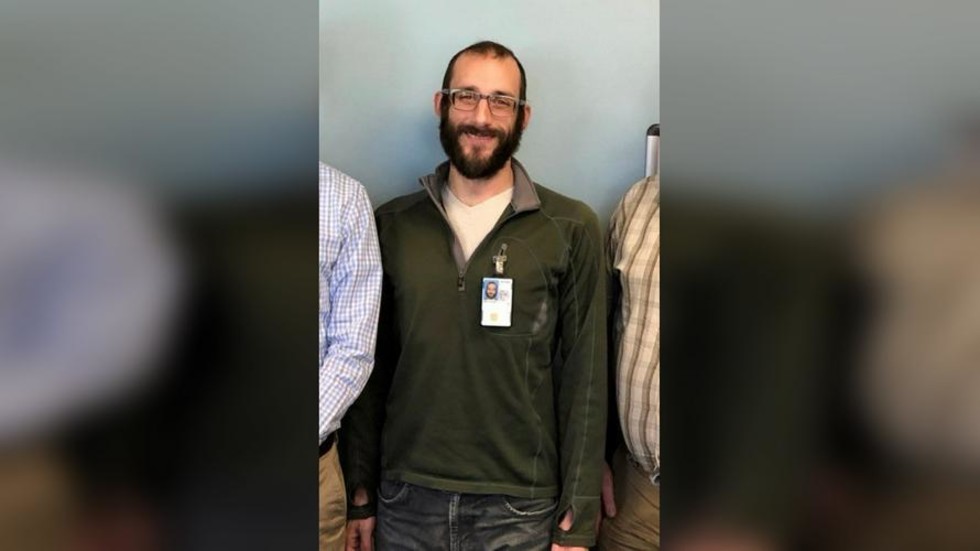
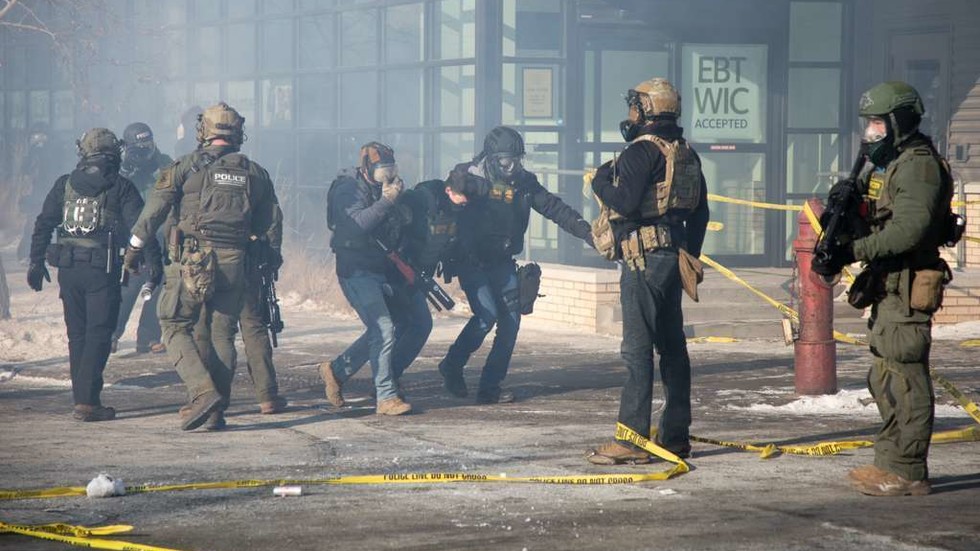
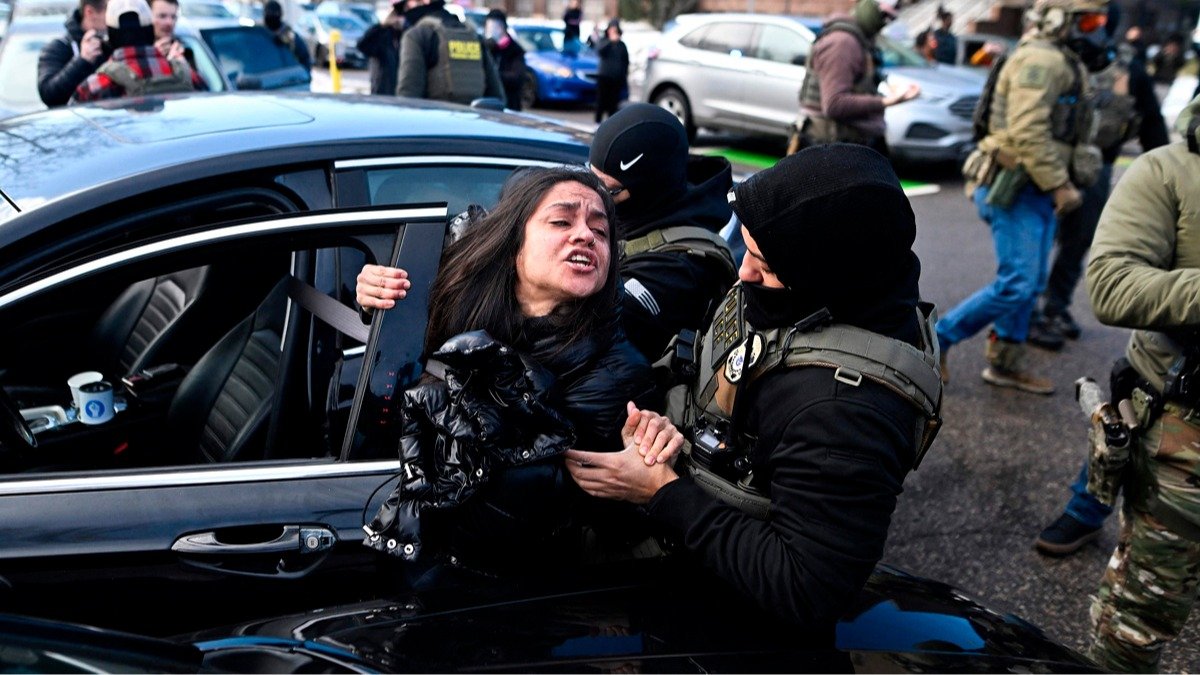
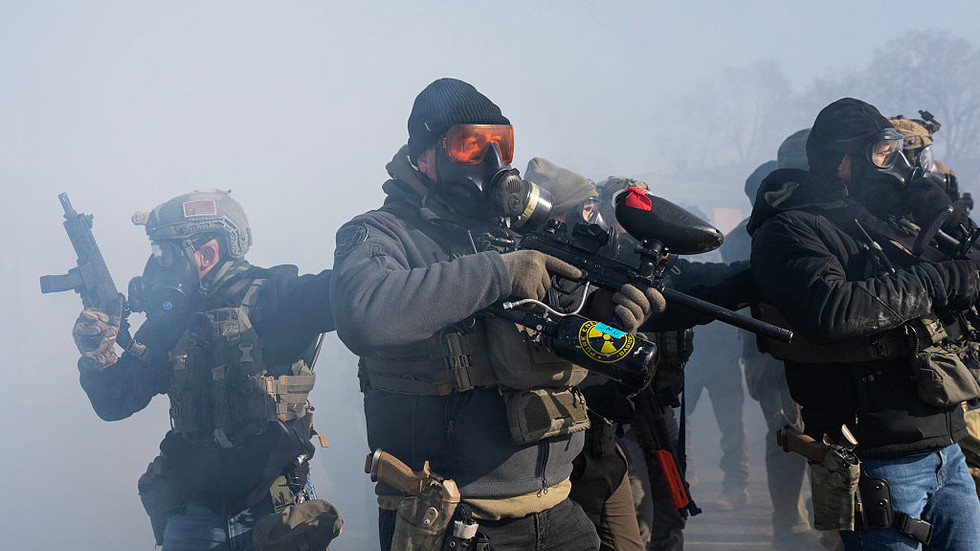
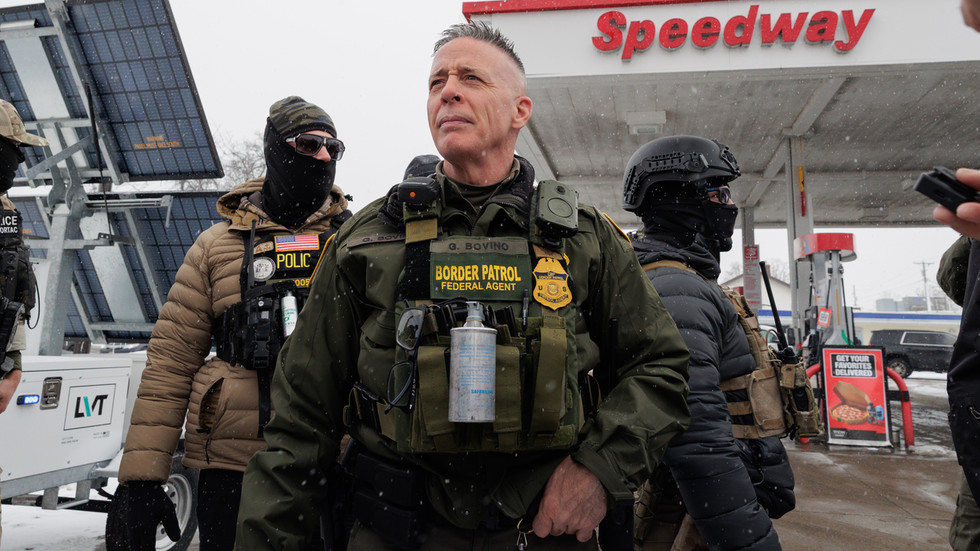
24 января служба иммиграции и таможенного контроля США (ICE) застрелила 37-летнего медбрата Алекса Претти в Миннеаполисе (штат Миннесота). Мужчина участвовал в митинге как раз против действий силовиков после того, как они убили 37-летнюю поэтессу Рене Гуд в том же городе. В ответ на это десятки тысяч американцев вышли на акции против действий агентов ICE, которые после второй инаугурации Трампа получили «иммунитет» против ответственности за любые свои действия. Корреспондентка «Новой газеты Европа» рассказывает об истории ведомства, которое годами занималось бумажной работой, а теперь получило «зеленый свет» на убийство людей. Федеральные иммиграционные агенты вытаскивают женщину из автомобиля и задерживают её во время операции в Миннеаполисе, Миннесота, США, 13 января 2026 года. Фото: Stephen Maturen / Getty Images North America / AFP / Scanpix / LETA .«Если бы не эта несправедливость, он был бы жив» 44-летний киевлянин Максим Черняк уехал вместе со своей девушкой в США вскоре после полномасштабного вторжения России в Украину. Оба жили в стране по гуманитарной программе для украинцев. 26 января 2025 года Черняк был арестован и обвинен в домашнем насилии. Его гражданская жена Оксана Тарасюк говорила, что это было «семейное недоразумение», усугубленное языковым барьером при общении с полицией, и просила даже закрыть дело. Но из этого ничего не вышло, мужчину задержали. В то же время ICE потребовала у местных правоохранительных органов передать его под их юрисдикцию. Такая процедура применяется, если служба хочет проверить или пересмотреть миграционный статус человека. Максима Черняка поместили в федеральный центр содержания мигрантов Кром на юго-западе округа Майами-Дейд во Флориде. Местные юристы говорят, что там содержатся сотни людей в жутких условиях: камеры переполнены, люди вынуждены спать на бетонном полу, фактически в нечистотах, потому что заключенных редко выводят в туалет. Согласно рассказам содержавшихся там людей, сотрудники не снимали с них кандалы даже для того, чтобы те могли поесть, в итоге есть приходилось «как собакам». 18 февраля, после почти месяца содержания в центре временного содержания ICE, у Черняка случился инсульт: у него начались судороги и рвота. Однако сотрудники Крома ничего не предприняли. И даже в скорую они позвонили лишь спустя почти час после того, как у мужчины произошел приступ. Оксана Тарасюк приехала в больницу, куда доставили Максима Черняка, но увидеть его ей не позволили. Через два дня, 28 января, адвокаты сообщили ей, что уголовные обвинения против ее мужа снимаются и начата подготовка документов для его освобождения из-под стражи иммиграционной службы. А спустя несколько минут после этого разговора Оксана узнал, что Максим умер. „ «Я на 100% уверена, что если бы не все эти условия, в которых он находился, если бы не вся эта несправедливость, он был бы жив», — говорила Оксана. Максим Черняк далеко не единственный мигрант, умерший в заключении у ICE. В 2025 году служба установила мрачный рекорд: в ее учреждениях погибли 32 человека. Люди собираются вокруг федеральных агентов, пока те проводят задержание, Миннеаполис, Миннесота, США, 13 января 2026 года. Фото: Tim Evans / Reuters / Scanpix / LETA.Операция в Миннесоте ICE не имеет постоянных подразделений в каждом городе США. У службы есть региональные офисы, которые координируют работу на уровне штатов или крупных агломераций, но во время масштабных операций федеральные власти временно перебрасывают в конкретный регион сотни и тысячи агентов со всей страны. В конце декабря 2025 года такая операция ICE по распоряжению администрации Трампа была развернута в штате Миннесота. Выбор пал на этот штат неслучайно. Во-первых, в Миннесоте одно из самых заметных иммигрантских сообществ в стране, в том числе крупнейшая в США сомалийская диаспора, а также традиционно демократический электорат и власти, которые годами сопротивлялись жесткому федеральному контролю в миграционной сфере. Администрация Трампа неоднократно использовала Миннесоту в своей риторике как пример «провалившейся» миграционной политики. „ Сам президент заявлял, что в штате якобы «слишком много нелегалов», а также публично упоминал Миннесоту в контексте дел о мошенничестве с государственными средствами. В том числе — в связи с громким расследованием вокруг распределения продовольственных субсидий, что в протрамповских медиа подавалось как доказательство коррупции. Однако на следующий день после убийства Алекса Претти произошло то, что нивелировало эти аргументы. Генеральный прокурор США Пэм Бонди направила властям Миннесоты письмо, в котором заявила, что подразделения ICE могут быть выведены из штата при выполнении ряда условий, одно из которых — передача администрации Трампа базы зарегистрированных избирателей штата. По американскому законодательству неграждане США не имеют права голосовать на федеральных выборах — президентских, конгрессовских или сенатских. Для регистрации избирателем человек подтверждает свое гражданство под присягой, а участие в голосовании без соответствующего статуса — уголовное преступление. Несмотря на это, администрация Дональда Трампа на протяжении многих лет продвигает тезис о том, что демократы якобы выигрывают выборы «за счет нелегалов», не предоставляя доказательств, которые подтверждали бы системный характер подобных нарушений. Именно поэтому требование передать федеральным властям базу зарегистрированных избирателей вызвало резкую критику. Оппоненты администрации, включая сенатора от Коннектикута Криса Мерфи, подчеркивают, что это механизм давления. В базе избирателей законно состоят натурализованные граждане США — люди, которые ранее были иммигрантами, но не так давно получили гражданство и имеют полное право голосовать. Сопоставление избирательных списков с иммиграционными базами ICЕ означает, что федеральные структуры получают возможность выявлять именно таких людей и инициировать дополнительные проверки, пересмотр старых дел или даже процедуры лишения их гражданства. Если эта база, где есть ФИО, адрес, гражданство, история регистрации на выборах, попадет к ним, то люди попросту начнут бояться голосовать. «“ICE покинет Миннесоту, если вы передадите нам базу данных избирателей”, — говорит нам все, что нам нужно знать», — написала в соцсети X конгрессвуман от Миннесоты Ильхан Омар — женщина в хиджабе, которая и сама часто становится объектом нападок со стороны Трампа. Автомобиль убитой агентами ICE Рене Гуд, Миннеаполис, Миннесота, США, 7 января 2026 года. Фото: Craig Lassig / EPA.«Абсолютный иммунитет» Несмотря на все это, администрация Трампа продолжает говорить, что цель операции ICE — обеспечение общественной безопасности, выявление и депортация «преступников, незаконно находящихся в стране». На практике же, отмечают юристы, с которыми удалось поговорить «Новой-Европа», под эти рейды попадают люди без судимостей, мигранты с легальным или промежуточным статусом и даже граждане США. Только в одном штате, Миннесоте, и только за последний месяц сотрудники ICE угрожали беременной адвокатке прямо у ее офиса, останавливали случайные автомобили, разбивали в них окна и силой вытаскивали пассажиров, разлучали детей с родителями, использовали пятилетнего ребенка как приманку, чтобы задержать его родственников, бросали светошумовую гранату в сторону машины, в которой находились шестеро детей, в том числе шестимесячный младенец, похищали людей прямо из их домов, не позволяя им даже одеться. Кульминацией активности ICE стали два убийства, случившиеся в последние три недели. 7 января агент ICE Джонатан Росс застрелил 37-летнюю поэтессу, мать троих детей и белую гражданку США Рене Гуд. Женщина находилась в автомобиле, когда к ней подошли сотрудники иммиграционной и таможенной службы с оружием и в масках. Очевидец рассказал, что „ агенты ICE отдавали Рене противоречивые приказы: один велел ей уехать, другой кричал, чтобы она вышла из внедорожника. Гуд попыталась отъехать, сдавая назад и объезжая силовика. В этот момент Джонатан Росс четыре раза выстрелил в нее. После стрельбы сотрудники ICE не подпускали врачей к раненой. Рене Гуд умерла в собственном автомобиле, так и не получив медицинской помощи. Ее последними словами, обращенными к сотруднику, были: «Все в порядке, чувак. Я на тебя не злюсь». Уже после убийства агент ICE Джонатан Росс кричал: «Гребаная сука». 24 января на митинге против действий ICE 37-летний медбрат Алекс Претти, также гражданин США, снимал на видео действия сотрудников. В какой-то момент он попытался защитить женщину, на которую напали силовики, и встал между ними, продолжая снимать. Из-за этого сотрудники ICE обрызгали Претти из перцового баллончика и повалили на землю, где его удерживали не менее шести человек. После этого один из сотрудников забрал у лежащего на земле Претти пистолет, на ношение которого у мужчины было законное разрешение. Согласно американскому законодательству, само по себе наличие оружия — при имеющемся разрешении — не правонарушение, в том числе во время публичных мероприятий и акций протеста. В Миннесоте допускается как скрытое, так и открытое ношение огнестрельного оружия при наличии лицензии, если человек не использует его угрожающе и не нарушает иных законов. Примечательно и то, что пистолет не находился у Претти в руках в тот момент, когда его отобрали. Сразу после этого несколько сотрудников стали стрелять в мужчину и попали в него десять раз. По словам очевидцев, после стрельбы один из агентов выкрикнул: «Ву-хуу». Люди у мемориала в память об Алексe Претти, застреленного агентом ICE в Миннеаполисе, Миннесота, США, 25 января 2026 года. Фото: Craig Lassig / EPA.Администрация Трампа, как и он сам, в обоих случаях защищала ICE. Министр внутренней безопасности США Кристи Ноэм сразу после убийства Рене Гуд, не дожидаясь результатов следствия, назвала ее «террористкой». По ее словам, Гуд на протяжении всего дня якобы «преследовала агентов и препятствовала их работе», «блокировала их» своим автомобилем и «кричала на них». Ноэм также заявила, что действия агента ICE были самообороной, поскольку тот якобы опасался за свою жизнь и жизни своих коллег. Эту версию поддержал и президент Дональд Трамп. Он написал, что «женщина за рулем вела себя крайне буйно, препятствовала действиям агентов и оказывала сопротивление», назвал ее «профессиональной провокаторшей», которая хотела переехать сотрудников. Позже, когда Трамп узнал, что отец Гуд был его сторонником, он выразил надежду, что тот продолжит быть его «фанатом», несмотря на трагедию. После убийства Алекса Претти президент США тоже сказал, что мужчина сам виноват, поскольку он «был вооружен и опасен». Противоположную позицию занял мэр Миннеаполиса Джейкоб Фрей. Он публично отверг утверждения властей о том, что стрельба была актом самозащиты, назвав это «полной чушью». Фрей обвинил ICE в превышении полномочий и потребовал, чтобы они «убирались на хер» из штата. Тем временем вице-президент Джей Ди Вэнс заявил, что у ICE есть «абсолютный иммунитет» в любой ситуации. Но так было не всегда. Федеральные агенты пограничной службы задерживают протестующего во время акции против ICE, Миннеаполис, Миннесота, США, 8 января 2026 года. Фото: Tim Evans / Reuters / Scanpix / LETA.«Непрестижная служба» Иммиграционная и таможенная служба США (ICE) еще десять-пятнадцать лет назад была структурой, о существовании которой большинство американцев просто не задумывалось. С ней сталкивались в основном иммиграционные юристы, сотрудники судов и сами мигранты, уже прошедшие через долгие бюрократические процедуры. ICE появилась в 2003 году как часть Министерства внутренней безопасности, созданного после терактов 11 сентября. Новое ведомство собирали буквально из осколков старых структур: часть функций забрали у Службы иммиграции и натурализации, часть — у таможни. Главная задача ICE формулировалась предельно узко: исполнение уже принятых судебных решений. Если суд постановил депортировать человека, именно ICE должна была обеспечить эту депортацию. „ «Люди, которые работают в ICE, — это не юристы и не полицейские в классическом понимании. Даже полицейские, при том что они не оканчивают юридические факультеты, проходят серьезную правовую подготовку: их обучают границам полномочий, тому, что считается преступлением, а что нет, в каких ситуациях допустимо применение силы. Плюс отдельный, очень серьезный тренинг по обращению с оружием. У сотрудников ICE такого уровня подготовки никогда не было. По своему профессиональному уровню они не были сопоставимы с полицией», — рассказывает иммиграционный юрист из США Юлия Николаева. Она отмечает, что в работе с ICE замечала плохой уровень подготовки специалистов службы. «Порог вхождения» в эту структуру был очень низкий: для того, чтобы стать сотрудником ICE, хватало школьного диплома. Работа в иммиграционной и таможенной службе долгое время не считалась статусной или привлекательной с точки зрения условий: зарплата была недостаточной для того, чтобы мотивировать образованных людей строить там долгосрочную карьеру. Из-за этого в службе годами была высокая текучка кадров, что неизбежно снижало общий уровень профессионализма: сотрудники не успевали набраться опыта, быстро уходили, а на их место приходили новые, такие же неопытные. Переломным моментом стало возвращение Дональда Трампа в Белый дом. ICE оказалась в центре его новой политической программы, предполагающей массовую депортацию и демонстративное ужесточение миграционной политики. Агентство резко расширили. Из «бумажной» службы ICE превратилась в масштабную силовую структуру. В 2025–2026 годах штат увеличился примерно до 22000 сотрудников, увеличился и выделяемый на службу бюджет — десятки миллиардов долларов, которые пошли не на повышение подготовки агентов, а на расширение штата и увеличение зарплат. Марш против действий ICE, Миннеаполис, Миннесота, США, 23 января 2026 года. Фото: Brandon Bell / Getty Images North America / AFP / Scanpix / LETA.В свете происходящего в Миннесоте в социальных сетях завирусилось видео, в котором агент ICE обсуждает с протестующими свою заработную плату. — Вам должно быть стыдно за то, что вы делаете, — говорят протестующие агенту, лицо которого закрыто маской. — Я люблю свою работу, — отвечает тот. — Даже не верится, что мне за это еще и платят. Я бы делал это бесплатно. — Правда? Я помощник врача и получаю 200 тысяч долларов [в год], — говорит ему протестующая. — Как долго ты училась для этого? — усмехнулся агент ICE. — Больше семи лет. — А я отучился только в старшей школе и получаю те же 200 тысяч долларов. «Все началось с рейдов, и именно из-за них стало очевидно главное противоречие. Служба называется иммиграционной и таможенной; логика подсказывает, что ее работа должна быть связана либо с границей, либо с людьми, уже нарушившими иммиграционное законодательство. Так эта система и работала годами. Сейчас же мы видим, что у ICE фактически появилось больше полномочий, чем у правоохранительных органов общей юрисдикции. „ Полиция, например, вообще не занимается иммиграционными вопросами. А агенты ICE сегодня могут подойти к любому человеку, остановить его и потребовать подтверждение миграционного статуса», — удивляется юристка. Формально рамки деятельности ICE по-прежнему определяются иммиграционным законодательством, однако в последние годы ключевым источником расширения ее фактических полномочий стали политические установки администрации Трампа, отмечают американские юристы. Через исполнительные указы и внутренние меморандумы Министерства внутренней безопасности агентству определены границы, значительно превосходящие прежние — вплоть до проникновения в частные дома без судебного ордера. Это противоречит Конституции страны. Четвертая поправка США в случае проведения обыска и вторжения в частное жилье предполагает наличие ордера, подписанного независимым судьей. Также ICE расширила для себя и значение слова «нелегал». Сегодня под эту категорию фактически подпадают и люди, которые находятся в США законно. Речь идет о более чем миллионе человек, которые подали все необходимые документы в установленном законом порядке и годами ожидают рассмотрения своих дел. Они не нарушали закон, их единственная «вина» заключается в том, что государство не справляется со своими обязательствами и не рассматривает заявления в разумные сроки. Эти люди годами остаются в подвешенном, промежуточном статусе без постоянного разрешения на проживание, однако именно их ICE причисляет к «нелегальным мигрантам». Чтобы их было удобнее «ловить», 20 января 2025 Трамп отменил директиву Байдена, которая запрещала операции ICE в «защищенных местах» — в школах, больницах, церквях, детских садах, во время похорон. «Это автоматически лишает огромное количество людей доступа к базовым вещам. Люди боятся обращаться за медицинской помощью, боятся водить детей в школы, посещать религиозные учреждения и даже приходить на суды по своим же делам. Мы видим это и сейчас: после того как ICE начала проводить задержания в зданиях судов, люди просто перестали являться на собственные слушания, опасаясь, что их заберут прямо оттуда», — говорит Николаева. Примечательно и то, как ICE выстраивает отношения с местными правоохранительными органами. В ряде случаев они блокировали попытки полиции Миннесоты расследовать их действия, включая смертельные инциденты. Так, после убийства Рене Гуд в Миннеаполисе начальник городской полиции Брайан О’Хара заявил, что ФБР не допустила офицеров штата на место происшествия, несмотря на наличие у них судебного ордера. По его словам, доступ к месту стрельбы был перекрыт, а сбор доказательств и первоначальные следственные действия оказались под полным контролем федеральных структур. ICE де-факто ставит себя выше местных правоохранительных органов, даже когда речь идет о расследовании гибели граждан США. Все это, отмечает наша собеседница, показывает, что полная вседозволенность у сотрудников ICE «формируется сверху». Именно этим объясняется и то, что агенты все чаще работают в масках: в правовом государстве представитель власти обязан быть узнаваемым и подотчетным, тогда как сокрытие личности и вводящая в заблуждение форма (ICE носят форму с надписью Police при том, что полицией не являются) лишь усиливают их безнаказанность. Сами представители ICE подтверждают, что носят маски, чтобы избежать «доксинга» — т. е. деанонимизации. «Человеку с принципами идти на такую службу не захочется», — отмечает юристка. Сейчас туда приходят те, кого привлекают либо деньги, либо безграничные полномочия. Именно поэтому логика отбора и риторика, с помощью которой сегодня привлекают сотрудников в ICE, во многом определяют качества людей, которые там оказываются. Например, „ и само агентство, и в целом Министерство внутренней безопасности использует правую риторику и атрибутику, чтобы привлекать новых сотрудников с вполне конкретными взглядами. Официальный аккаунт ведомства в Instagram опубликовал пост под лозунгом «Мы снова вернем себе дом», сопроводив его одноименным треком группы Pine Tree Riots. Эта композиция пользуется популярностью в неонацистских кругах и содержит строки о возвращении «нашего дома» «кровью и потом» — формулировки, широко используемые националистами и ультраправыми в риторике о расовой войне. Однозначные намеки на «взгляды» ICE дают и внешность, и поведение самого известного сотрудника пограничной службы США Грегори Бовино — именно он руководил операцией, во время которой была убита Рене Гуд. Бовино — лицо новой антииммиграционной политики администрации Трампа. На операциях он носит длинное зеленое пальто с латунными пуговицами и делает жесты, которые напоминают нацистское приветствие. Немецкое издание Der Spiegel отмечало, что Бовино намеренно заигрывает с нацистской эстетикой. «Бовино выделяется из этой толпы [остальных агентов] так же как элегантный офицер СС выделяется среди обычных штурмовиков. Элегантная стрижка с выбритыми висками тоже очень удачна; для идеального косплея не хватает только монокля», — писало издание. 07.Начальник Пограничной службы США Грегори Бовино во время операции по иммиграционному контролю в Новом Орлеане, Луизиана, США, 3 декабря 2025 года. Фото: Olga Fedorova / EPA.«Разговоры о гражданской войне витают в воздухе» Закономерно, что и ответное сопротивление действиям ICE в США растет. В Миннеаполисе и других городах люди объединяются, чтобы предупреждать друг друга о готовящихся рейдах, используют для этого сигналы тревоги и мессенджеры, создают локальные сети взаимопомощи для тех, кто боится выходить из дома. Протест принимает самые разные формы. У отелей, где размещаются сотрудники ICE, активисты играют на барабанах, кричат, свистят, в общем, создают как можно больше шума, чтобы лишить ночного покоя тех, кто утром похищает, бьет и даже убивает их соседей. Одной из крупнейших стала акция «Day of Truth Freedom» — день протеста, в ходе которого десятки тысяч жителей Миннесоты отказались выходить на работу, вести детей в школы и совершать покупки, выражая несогласие с политикой ICE. „ Во время этих протестов были задержаны десятки человек, в том числе около ста священнослужителей и религиозных лидеров, которые проводили молитвенные акции в аэропорту Миннеаполиса, призывая авиакомпании прекратить участие в депортационных рейсах. Люди выходили на улицы несмотря на мороз, устраивали мемориалы в память об убитых Рене Гуд и Алекса Претти, требовали политической и юридической ответственности государства за действия ICE, вывода федеральных агентов из Миннесоты и прекращения финансирования агентства. Протесты быстро вышли за пределы Миннесоты: акции солидарности прошли в Нью-Йорке, Чикаго, Сан-Франциско и других городах. Их участники требовали пересмотра иммиграционной политики и прекращения практик, которые подрывают гражданские права и основы правового государства. «Разговоры о возможности гражданской войны, вооруженных столкновений и бунтов сегодня, к сожалению, действительно витают в воздухе. Иммигранты запуганы, да и не только они. Американское общество сейчас расколото как никогда. Те, кто осознает опасность авторитаризма и видит в действиях нынешней администрации его явные признаки, тревожатся и понимают, что такая угроза более чем реальна. Я каждое утро просыпаюсь с ощущением, что жить в этой новой Америке всё тяжелее. Сторонники Трампа, наоборот, чувствуют себя на коне, — говорит Юлия Николаева. — При всем этом у меня остается, возможно, не вполне рациональная вера в то, что Америка все-таки справится».