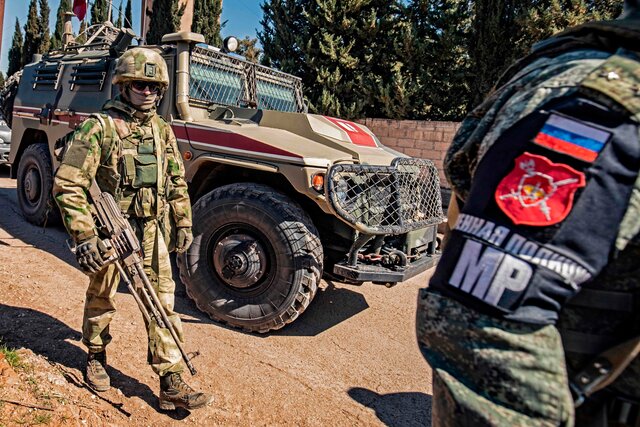
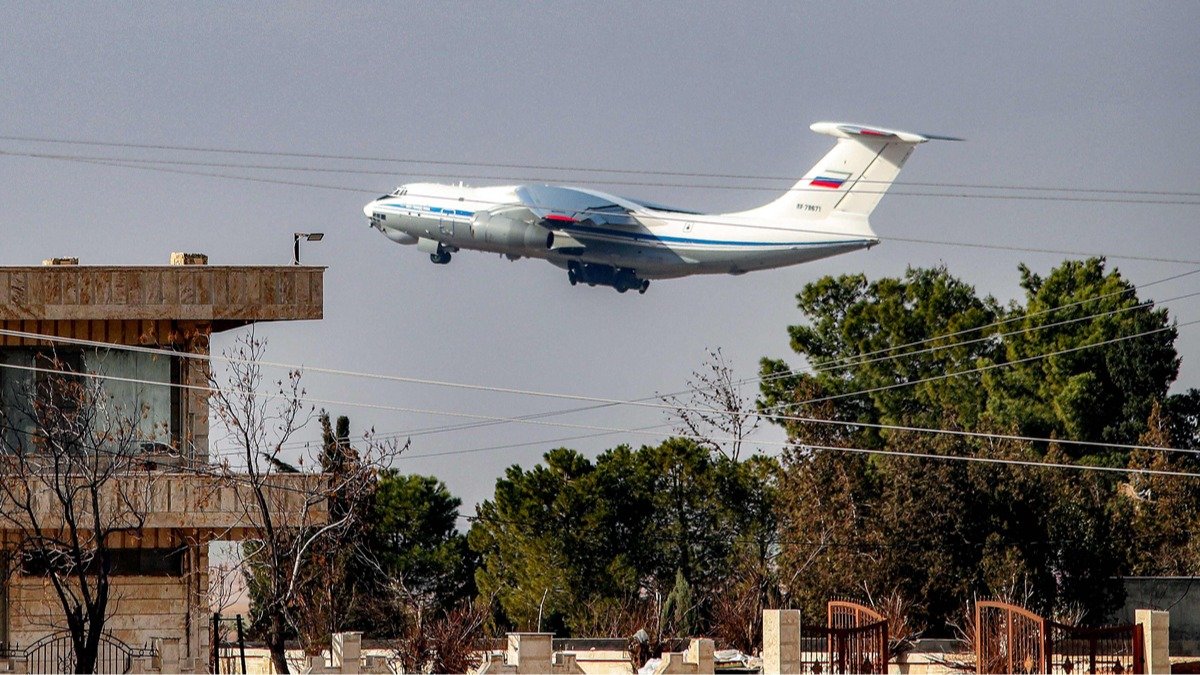
Russian and opposition-leaning outlets broadly agree that Russian forces have begun a drawdown from the Qamishli (Kamyshly) airbase in northeastern Syria, a site Russia has used since around 2019. They concur that personnel and heavy equipment are being removed from the facility, with some assets reportedly redeployed to the Hmeimim airbase on Syria’s western coast and others returned to Russia, and that Russian flags and a residual presence reportedly remain on-site as the withdrawal proceeds in stages.
Coverage from both sides also aligns on the airbase’s original strategic role and the shifting conditions that now reduce its importance. Qamishli is acknowledged as a key position for monitoring northeastern Syria, supporting operations near the Turkish border, and acting as a protective buffer for Kurdish-held or formerly Kurdish-administered areas in Hasakah governorate, but changes in territorial control and decision-making in Damascus are presented as major factors behind reassessing the base’s utility and the broader configuration of Russia’s military footprint in Syria.
Points of Contention
Nature of the move. Government-aligned sources tend to frame the withdrawal from Qamishli as an orderly redeployment or tactical optimization within a still-robust Russian presence in Syria, emphasizing continuity of commitments and the strengthening of other bases such as Hmeimim. Opposition outlets, by contrast, describe it as a significant drawdown or even the potential loss of a key base, treating the move as part of a broader contraction of Russian power projection in the region and highlighting the symbolic weight of leaving a once-critical northeastern hub.
Role of Damascus and sovereignty. Government coverage typically casts any change at Qamishli as a joint, sovereign decision between Moscow and Damascus, stressing coordination and mutual interests rather than pressure or friction. Opposition reporting portrays the Syrian government as preparing to ask, or already having asked, Russia to vacate the airfield, suggesting that altered political dynamics in Damascus—possibly tied to leadership changes—have reduced Moscow’s leverage and compelled the withdrawal more than Russian planners would publicly admit.
Strategic rationale and implications. From the government perspective, the reduced emphasis on Qamishli is attributed mainly to mission accomplishment and evolving security needs now that state forces or allied structures have consolidated control in Hasakah, implying that Russia can safely concentrate resources elsewhere without losing influence. Opposition sources argue that the base’s diminished strategic value stems from Russia’s overstretch, international pressure, and a changing balance of power in northeastern Syria, warning that withdrawal could weaken Russian oversight of Kurdish areas, complicate deconfliction with Turkey and the United States, and signal waning regional clout.
Domestic and international signaling. Government-aligned outlets usually stress that the repositioning is not a retreat but a demonstration of flexible, professional force management aimed at reassuring both domestic and foreign audiences that Russia’s Syrian campaign remains on track. Opposition media emphasize the timing—linking the move to an upcoming Assad-Putin meeting and to Russia’s broader military burdens elsewhere—to argue that Moscow must now carefully stage-manage optics at home and abroad to mask the fact that it is trading hard-won positions for political face-saving.
In summary, government coverage tends to portray the Qamishli developments as a coordinated, strategically neutral redeployment within an enduring Russian-Syrian partnership, while opposition coverage tends to depict them as a pressured, politically driven pullback that reflects shrinking Russian leverage and a gradual retrenchment from Syria’s northeast.