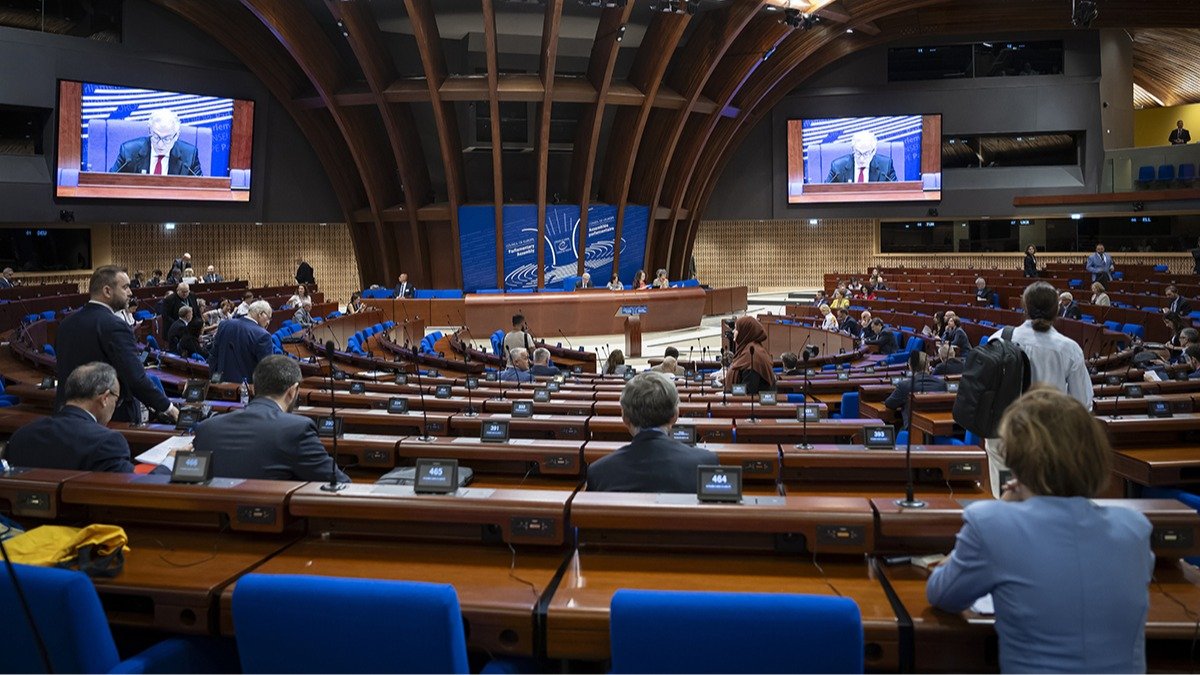
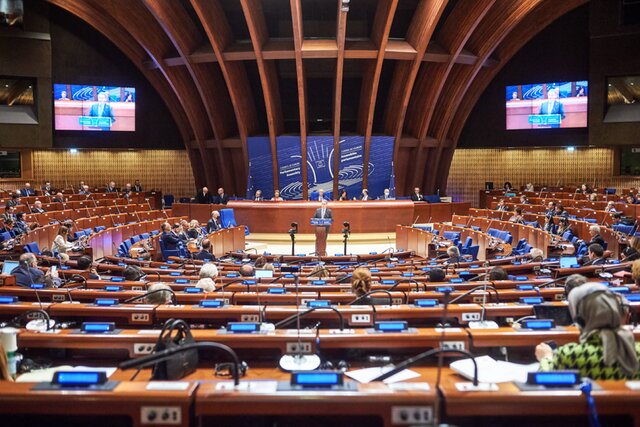
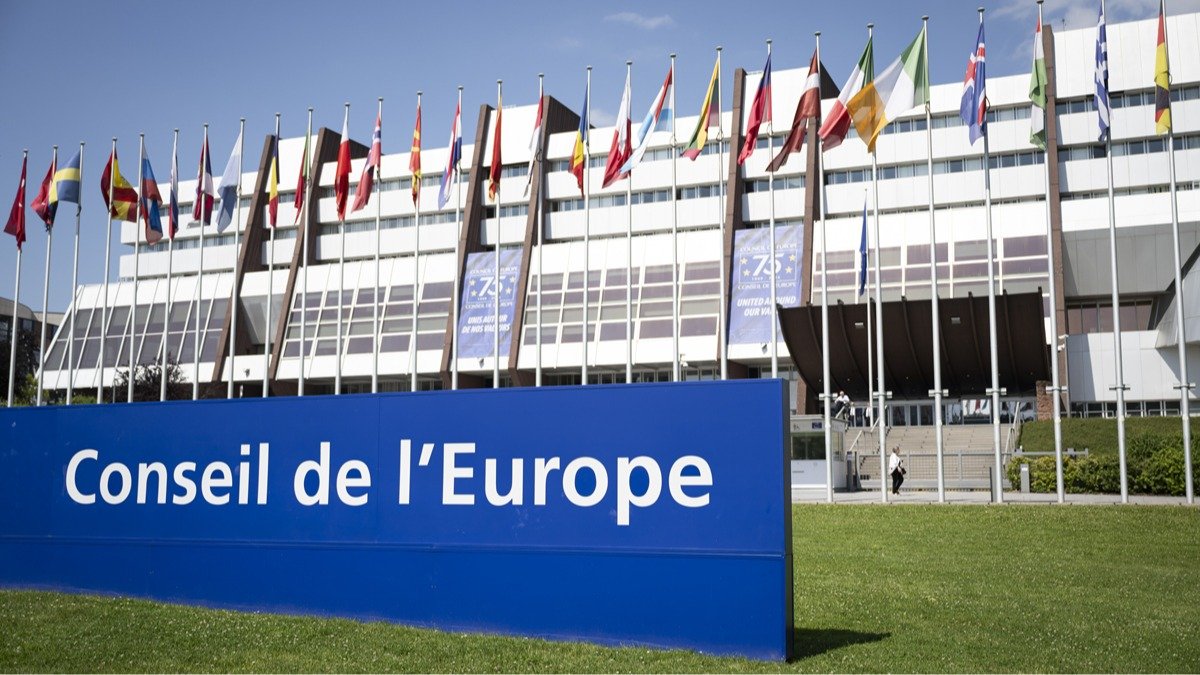
Председатель Парламентской ассамблеи Совета Европы Теодорос Русопулос выступает перед ассамблеей во Дворце Европы во время третьей части очередной сессии ПАСЕ в Страсбурге, Франция, 25 июня 2024 года. Фото: Anthony Anex / EPA.Утверждение в рамках Парламентской ассамблеи Совета Европы Российской платформы — группы находящихся в эмиграции представителей российской общественности — вызвало большой интерес у россиян, живущих за границей. И это понятно: ведь Платформа — первая и пока единственная российская инстанция в официальной структуре Европы. Одним из практических шагов Платформы будет, если судить по заявлениям одного из самых влиятельных его спикеров — 13-го чемпиона мира по шахматам Гарри Каспарова, — попытка дать беженцам из РФ, у которых начал истекать срок действия российских паспортов, новые признаваемые в мире документы вроде «нансеновских паспортов» столетней давности. Да, в российской Платформе ПАСЕ многие эмигранты видят пока только этот практический смысл. Но для самой ПАСЕ rationale этой институции шире. „ И сейчас, в момент учреждения российской Платформы, важно хотя бы эскизно разобрать, в чём состоит основное противоречие между российскими политическими понятиями и европейскими процедурами. Возможно, со временем эта дата — 26 января 2026 года — войдет в историю как первый шаг к новому демократическому федеративному государству или к конфедерации новых национальных государств, которые могут возникнуть на территории современной Российской Федерации. Именно так бессознательно воспринимают Платформу как раз ее самые заметные критики: те, кому не нравится ни состав участников, ни «произвол» со стороны ПАСЕ, которая просто назначила именно этих людей членами Платформы. Основная претензия к Платформе: в данный исторический момент Платформа она не представляет интересов ее критиков. А раз должна была бы представлять, то это значит, что ожидания чего-то значительного всё-таки были. Почему эти желания или ожидания не оправдались? Часть первая: голоса заинтересованных наблюдателей Александр Подрабинек. Фото: Wikimedia.Голос 1. Отклик Александра Подрабинека На известие о создании Платформы отозвались некоторые из тех, кто либо сам рассчитывал попасть в окончательный список, либо, не надеясь или не имея шансов на это, всё же почувствовал себя уязвленным (или уязвленной) неудачей. Выдающийся советский и российский правозащитник Александр Подрабинек, по-прежнему живущий в Москве, написал 26 января в своем фейсбуке: — Платформа российской «оппозиции» в ПАСЕ сформирована. Не скажу, что я сильно удивился, не обнаружив себя в этом списке. Даже немного полегчало, поскольку для меня участие в платформе было делом рискованным: я был единственным кандидатом, живущим в России. Даже представители и пламенные защитники коренных народов, живут почему-то не со своими коренными народами, а на Западе. Надо ли пояснять степень риска для меня? Но я был готов рискнуть, чтобы ПАСЕ имела представление о ситуации в России со слов человека, живущего в стране, а не людей, покинувших ее. До последнего теплилась надежда, что ПАСЕ захочет услышать голос из России, а не голос эмиграции. Мои надежды не оправдались. В этой платформе, помимо бывших комсомольских вожаков, есть нормальные люди. Но это не меняет главного: все они, за исключением Олега Орлова и Владимира Кара-Мурзы, добровольно обменяли свободу своей страны на личное благополучие в эмиграции. Эти политические беглецы будут теперь представлять российскую оппозицию? Какое они ныне имеют отношение к России? Какое они имеют отношение к оппозиции? Никакого. большее, что они могут сделать, это лоббировать интересы российской диаспоры в Европе. Но при чём здесь Россия? Мне досадно, что ПАСЕ нашла себе таких партнеров для диалога. В дискуссии с десятками комментаторов этого поста, который представляет далеко не только академический интерес, автор уточняет и свою досаду, и свое понимание новой институции, и свое отношение к людям, бежавшим не столько к благополучию, сколько от тюрьмы и войны. Марат Гельман. Фото: Кирилл Зыков / Агентство «Москва».Голос 2. Отклик Марата Гельмана На другом фланге восприятия случившегося — известный деятель российской культуры, а после эмиграции и едва ли не крупнейший культур-менеджер диаспоры Марат Гельман, который 27 января 2026 отозвался на случившееся более конкретным выступлением, в котором назвал по имени вошедших в Платформу деятелей, не упомянув, правда, представителей национальных меньшинств, также представляющих в Платформе Российскую Федерацию: — Отвечал на реплику товарища, что Фейгин, Волна и Каспаров никого не представляют, и получилось такое: Российское общество разное, не может один человек всех представлять. Фейгин представляет тех, кто решил бороться с Путиным с оружием в руках;Волна представляет тех, кто собирает деньги на помощь украинцам, на тепло больницам и школам, на медикаменты; Каспарова я видел на конференции российских бизнесменов, в основном живущих в Кремниевой долине. Человек 400 молодых айтишников. Они к нему и к его словам с большим уважением. Сам Каспаров считает, что после краха Кремля именно их надо в управление страной; Кара-Мурза представляет «новых тихих», тех, кто против власти не выступает, но не подличает и в преступлениях власти не участвует; Орлов представляет одиночек, не выдержавших, возвысивших свой голос и кто, в результате, сидит в тюрьме;Гудков представляет тех, кто не верит в скорые изменения и хочет устроить свою жизнь вне России;Толокно представляет феминисток, художников и вообще творческих людей;Ходорковский представляет тех, кто считает, что дело не в Путине, а системе власти. И ее надо менять;Люба Соболь более всех унаследовала изначальную аудиторию Алексея Навального. Александра Гармажапова. Фото: Wikimedia.Голос 3. Отклик Александры Гармажаповой Как, возможно, и многие другие, я ожидал, что в состав Платформы войдет одна из самых заметных политических активисток диаспоры — Александра Гармажапова. Но вот как сама Александра ответила своим многочисленным корреспондентам: — Спрашивают, почему меня нет в платформе ПАСЕ. Отвечаю (надеюсь, в последний раз): я туда не собиралась… Я не люблю срачи, поэтому пусть Каспаров орет на кого-то другого. «Это я вытащил Кара-Мурзу из тюрьмы! Это я стоял с Браудером на первой встрече, когда обсуждался «список Магнитского»! Это всё я! Я!» Я не люблю расшаркиваться перед чиновниками (любыми) и говорю, что думаю. Поэтому, господин Русопулос, иногда не стоит объекты сдавать ко дню рождения вождя. Но я люблю юмористические шоу, поэтому надеюсь, Дмитрий Низовцев сделает скетч под рабочим названием «ПАСЕ, Алексашенко и тайна украденного румынского золота». Нескольким достойным людям, оказавшимся в платформе, желаю крепких нервов. Отдельно обнимаю дорогого Павла Васильевича Суляндзигу. Надеюсь, голос наиболее уязвимой группы — коренных малочисленных народов Севера, Сибири и Дальнего Востока — будет услышан! Елена Иваницкая. Фото: rabkor.ru.Голос 4. Официоз в обозрении Елены Иваницкой Филолог и аналитик блогосферы Елена Иваницкая позиционирует себя как равноудаленную и от официозного зет-пространства, и от российской оппозиции («росс. опп.») в изгнании. Ее обзор откликов на публикацию списка Российской Платформы в ПАСЕ стоит привести целиком: Лист с надписью «Зарезервирован кандидатом на пост Генерального секретаря» лежит на столе в зале заседаний Ассамблеи Дворца Европы (Palais de l'Europe) ПАСЕ в Страсбурге, Франция, 25 июня 2024 года. Фото: Anthony Anex / EPA.Часть II. Российские понятия и европейские процедуры Попробуем соотнести весь этот клубок реакций с фактической стороной дела или с теми процедурами, которые запротоколированы в документах ПАСЕ. Прежде всего, многие россияне, привыкшие искать начальника, приписывают роль ключевого инициатора утверждения Платформы в нынешнем виде председателю собрания г-ну Русопулосу. На деле, как видно из протокола и первых документов о создании Платформы 2025 года, важнейшая роль во включении вопроса о Платформе в повестку заседания ПАСЕ принадлежала председательствующей там сейчас Молдове, а ключевой фигурой был представитель Эстонии Эрик-Нильс Кросс, который так подытожил дискуссию в ПАСЕ перед голосованием: — Как мы слышали, многое из того, что было сказано сегодня, по сути, касалось доверия. Можем ли мы доверять началу этого диалога с российскими демократическими силами? Некоторые из нас не доверяют, некоторые доверяют. Сомневающимся я иногда привожу следующий пример. Представьте, что вы находитесь в Лондоне в 1943 году, и там есть британцы, французы, поляки, возможно, американцы, и они создают организацию и думают: можем ли мы принять в нее некоторых немцев? И как нам их принять? Можем ли мы им доверять? И будут люди, которые скажут: «Ну, они все агенты гестапо», а некоторые скажут, что они нацисты. Но есть очень большая вероятность, что среди них есть Вилли Брандт или Конрад Аденауэр. И я думаю, я верю, что шанс есть, и я думаю, что мы должны довериться этой возможности, даже если этот шанс не очень велик. Для меня это тоже немного дежавю. Я много работал с эстонскими политическими организациями в изгнании в советское время. Кремль всегда очень активно вел пропаганду против этих политически активных эмигрантов. И эта риторика очень похожа на то, что я слышу сегодня. «Эти люди не имеют значения». «Они никого не представляют». «Никто их не слушает». «Они просто пьют кофе в Стокгольме или Вашингтоне, и кому это интересно? Настоящие люди борются где-то в другом месте». Но в конце концов эти люди представляли идею свободной Эстонии, и их идея победила. Точно так же демократические силы России представляют идею альтернативы, идею свободной России. И эту идею нужно лелеять. Мы должны быть оптимистами, мы должны работать с этими людьми и помогать им, и давайте доверимся им. Вид на Дворец Европы в Страсбурге, Франция, 24 июня 2024 года. Фото: Anthony Anex / EPA.Почему депутатов ПАСЕ (не только от Украины) нужно было уговаривать создать российскую демократическую платформу? Потому что, согласно господствующему мнению европейских парламентариев, современная Российская Федерация представляет собой не только агрессивное государство, ведущее захватническую войну на территории одного из европейских государств, Украины. РФ в глазах парламентариев — это еще и последняя колониальная империя на территории Европы. Именно поэтому центральным для парламентариев, не только украинских, стало решение о включении в состав Платформы пяти представителей российских меньшинств. Это не формальная уступка «деколониальной повестке», как думают и некоторые россияне в составе Платформы, но основополагающее решение-сигнал, подаваемый Российской Федерации как государственному образованию от имени всех соседей по Европе, и особенно — от имени малых стран. Вопрос о доверии — ключевой. И сейчас, во время войны, к сожалению, невозможно доверять ни одному политику или активисту, находящемуся на территории РФ на свободе. Это — горькое признание, но россияне, находящиеся в РФ и на свободе, люди даже с самым впечатляющим списком заслуг перед советским диссидентским и российским правозащитным движением на такое доверие рассчитывать не могут. Вот фрагмент из выступления одного из украинских депутатов Олександра Мережко: — На мой взгляд, между Украиной и российской оппозицией есть несколько точек разногласия. Во-первых, неясно, каковы критерии отбора тех, кто будет представлять так называемые российские демократические силы в Парламентской ассамблее Совета Европы. Правда в том, что таких объективных критериев не существует. Я, например, не понимаю, почему нет представительства у народов, находящихся в плену у России. Для меня лучшим видом легитимности, когда речь идет о представительстве, является борьба с оружием против российского империалистического режима. Второй вопрос касается методов борьбы. „ Очень удобно и комфортно говорить о так называемом ненасилии или ненасильственной борьбе. На самом деле ненасилие не работает, потому что российскую агрессию, российский преступный геноцид против Украины можно остановить только военным путем. В этих условиях ненасилие играет на руку агрессору. Третий вопрос касается тезиса, продвигаемого некоторыми представителями российской оппозиции, что президент Владимир Путин якобы отличается от российского народа. Однако в действительности Владимир Путин неотличим от российского государства и российского народа в целом. […] Оправдывать российский народ за все эти преступления — значит идти против реальности, против фактов. Давайте не будем наивными. Четвертый и, пожалуй, самый важный вопрос — это демонтаж агрессивной империи России. Соседи России не могут жить в мире и безопасности, а народы внутри России не могут быть свободными от угнетения, пока Россия остается империей. Иногда создается впечатление, что российская оппозиция хочет сохранить империю, заменив режим Владимира Путина, который сейчас управляет этой империей. История показывает, что даже если к власти в России придет либеральный правитель, это не устранит опасность, исходящую от российской империи, и не изменит агрессивный характер этой империи. Проблема не только в Владимире Путине; проблема в самой России. Поэтому мы можем гарантировать региональный и глобальный мир и безопасность только путем демонтажа российской империи. Президент Украины Владимир Зеленский дистанционно обращается с речью к членам политических делегаций Парламентской ассамблеи Совета Европы в Страсбурге, восточная Франция, 13 октября 2022 года. Фото: Frederick Florin / AFP / Scanpix / LETA.Другой украинский депутат Юрий Камельчук так подчеркивает ожидания ПАСЕ от Платформы: — Создание институциональной платформы для диалога с российскими демократическими силами является правильным и своевременным шагом, поскольку предыдущие специальные инициативы уже показали свои ограничения. Если мы действительно стремимся к демократическим изменениям в будущем России, мы должны обеспечить структурированное, прозрачное и эффективное взаимодействие с теми, кто борется против режима Владимира Путина. Участниками такой платформы могут быть только те, кто безоговорочно признает территориальную целостность Украины, включая Крым и временно оккупированные территории, и кто публично осуждает военные преступления. Это необходимый фильтр, который защищает нас от попыток внедрить неоимперские или колониальные нарративы. „ Мы также должны признать, что будущее демократической России невозможно без голоса оккупированных и угнетенных народов внутри самой Российской Федерации. Их участие в этом процессе не менее важно, чем участие российских оппозиционеров в изгнании. Поэтому я предлагаю создать отдельную платформу для сотрудничества с представителями этих народов: татар, башкир, ичкерийцев, дагестанцев, ингушей, бурятов и других. Они страдают от колониальной политики Москвы, а их сыновья отправляются на смерть в войне против Украины. При обсуждении Платформы депутаты ПАСЕ учитывали и мнение тех, кто представляет европейские страны, не входящие в ЕС. Не только Украины или Молдовы, но и, например, Швейцарии. Чтобы атмосфера обсуждения стала еще понятнее, приведу слова Марианны Биндер-Келлер, адресованные больше россиянам, чем союзникам по парламентской ассамблее: — Мы говорим здесь об оппозиции. Не об оппозиции, что в большинстве правовых государств и демократических стран является частью системы, в которой политические силы время от времени сменяют друг друга в правительстве. Мы говорим здесь об оппозиции в условиях диктатуры. Оппозиции, которая не может войти в правительство в результате выборов и практикуя свободу слова в правовом государстве. Там на оппозицию обрушиваются кары со стороны государства в виде дискриминации, тюремного заключения или даже смерти. Я — дитя холодной войны. Я читала Александра Солженицына, «Архипелаг ГУЛАГ» и другие произведения. Безмерная жестокость сталинской системы пробрала меня до костей. Сейчас я читаю русского писателя Михаила Шишкина, который также живет в изгнании. Он описывает сегодняшнюю систему под руководством Владимира Путина как пронизанную насилием. Михаил Шишкин предостерегает: рты критиков режима в России всё чаще затыкаются. Книги сжигаются, авторы и издатели, критикующие режим, находятся под угрозой. Шишкин говорит, что режим «доберется до каждого автора». Диктаторы, как мы сегодня слышали, ненавидят критику. А мы — Совет Европы, хранитель прав человека. Если мы хотим их защитить, то мы должны защищать оппозицию в стране, которая подавляет права личности. Что общего у Михаила Шишкина и Александра Солженицына? Оба они говорят, что люди должны брать на себя ответственность, даже если они не могут ничего изменить. Одно слово правды весит больше, чем весь мир. И если есть люди, которые не будут молчать, мы несем ответственность за то, чтобы усилить их голоса, в надежде, конечно, что оппозиция диктатуре будет говорить в один голос, потому что за права человека можно выступать только в один голос. Как мне кажется, даже небольшая часть выступлений в ходе обсуждения российской Платформы в ПАСЕ показывает, в каких точках представления россиян и европейцев расходятся более всего. Первая точка: доверие. Депутаты ПАСЕ в условиях войны в Украине и репрессий в РФ принуждены доверять только тем, кто вырвался из РФ, а в особенности — из российской тюрьмы, и кто не утратил интереса к движению в политическое будущее России через прекращение агрессии против Украины. Вторая точка: лояльность и парламентская этика. В Платформу не вошли даже некоторые из заметных и заслуженных представителей оппозиции в изгнании, которые сделали предметом медийного скандала внутренние споры, предшествовавшие принятию решения о создании Платформы. Эти предварительные обсуждения были групповыми, но они не были открытыми парламентскими дебатами, а потому, возможно, и привели к дисквалификации тех, кого Платформа как заметных спикеров в конечном счете лишилась. Третья точка: понимание основной задачи европейцев сегодня. Эта основная задача вовсе не в том, чтобы нынешняя РФ избавилась от коррупции; она даже не в том, чтобы в России установился демократический строй: это — ценные, но всё же попутные установки. Основная задача Европы — прекратить агрессию РФ против Украины. Похоже, что для этого невозможно добиться без демонтажа режима Владимира Путина. И тут нужна трезвость: европейские парламентарии видят, что пока большинство самих россиян в метрополии считает своими представителями руководителей путинского режима. Вот почему российская Платформа в ПАСЕ может представлять выраженные интересы тех, кто бежал из путинской РФ, и тех, кто, находясь в РФ, сейчас лишен голоса, но нуждается в моральной и организационной поддержке. „ ПАСЕ явно выказала ожидание, что Платформа могла бы стать точкой сборки национальных движений, которые завершили бы процесс десоветизации и деколонизации или хотя бы вернули малым и коренным народам РФ недавно отнятые у тех права на родной язык и ту скромную культурную автономию, которой располагали в советское время. Пока налицо недостаточное понимание у «старших» россиян, входящих в Платформу, проблем национальных меньшинств РФ. Но в этом смысле Платформа отражает и реальность метрополии, где большинство русского населения пока не понимает катастрофического положения национальных меньшинств, как и масштаба катастрофы для РФ, к которой привела агрессия против Украины. У самого Совета Европы для выполнения этих задач не так уж много материальных и организационных ресурсов. Но есть тревожное понимание неизбежности столкновения с государством, обуреваемым мечтой о реванше за распад СССР. Российской Платформе в ПАСЕ и предлагается стать точкой кристаллизации и выращивания той новой среды, которая была вытоптана за более чем четверть века путинского правления.