opposition
«Вёрстка»: в контрактах Минобороны для операторов дронов появился пункт о возможности уволиться через год. Рекрутеры считают, что это «на*бка от пиарщиков»
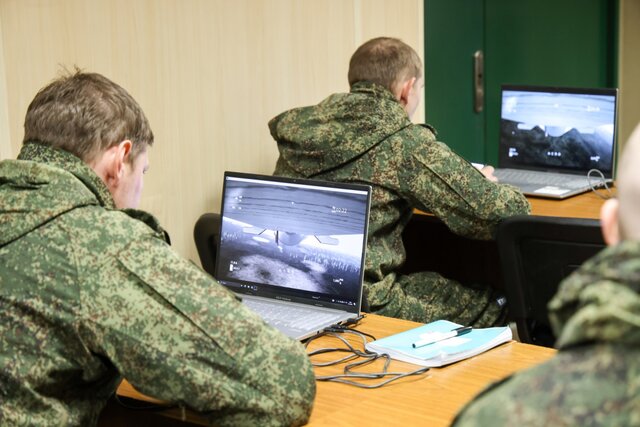
В допсоглашении к контракту Минобороны РФ для операторов дронов впервые появился пункт о возможности уволиться со службы через год. Такой документ «Вёрстке» показал сотрудник пункта отбора в одном из восточных регионов России. «Минобороны РФ увольняет с военной службы военнослужащего по истечении срока настоящего контракта (случае если военнослужащий не изъявил в установленном порядке желание заключить новый контракт о прохождении военной службы», — сказано в пункте «з» допсоглашения к контракту. Фото: «Вёрстка».Кроме этого, в документе прописано, что оператора БПЛА не смогут перевести на другие военные должности без его согласия. «Вёрстка» отмечает, что Минобороны впервые сообщило о «гарантированном увольнении» 20 января. В рекламных роликах как раз говорилось о желающих поступить на службу в войска беспилотных систем. Также реклама контрактов с «гарантированным увольнением» появилась в соцсетях различных городских администраций. Собеседник «Вёрстки» подчеркнул, что впервые увидел текст подобных допсоглашений еще в конце 2025 года. По его словам, «все хотят туда перевестись, но это очень трудно, почти невозможно». Как отметил частный военный рекрутер из Санкт-Петербурга Александр, подавляющее большинство добровольцев не подходят под требования такого контракта, поскольку для управления БПЛА требуются «молодые и строго без судимостей». По его мнению, подобные предложения могут стать «заманухой» в том числе для тех, кто не подойдет под критерии. «Многие агентства сейчас устраивают маркетинговые ходы, заранее обещая устроит в конкретные части. Но по факту это именно что замануха. Если боец нормальный — у него есть все шансы попасть в нормальную часть. Но такому контингенту, который едет [на войну], никто поблажек делать не сделает никогда», — заявил рекрутер. Источник «Вёрстки» в московском пункте отбора также выразил мнение, что возможность уволиться со службы — «это просто набка от пиарщиков». По его словам, даже если добровольцу удастся попасть в войска беспилотных систем, «через год он хй чего докажет». Собеседники «Вёрстки» сходятся во мнении, что пункт в допсоглашении к контракту о возможности увольнения сложно назвать гарантией, и на самом деле все будет зависеть от установок сверху или от личных взаимоотношений военнослужащих с командирами. Директор правозащитной организации «Школа призывника» Алексей Табалов считает, что через год после заключения контракта могут появиться «более веские основания», чтобы не увольнять военнослужащего. Он напомнил, что Владимир Путин до сих пор не подписал указ об окончании мобилизации в России.
3 months ago