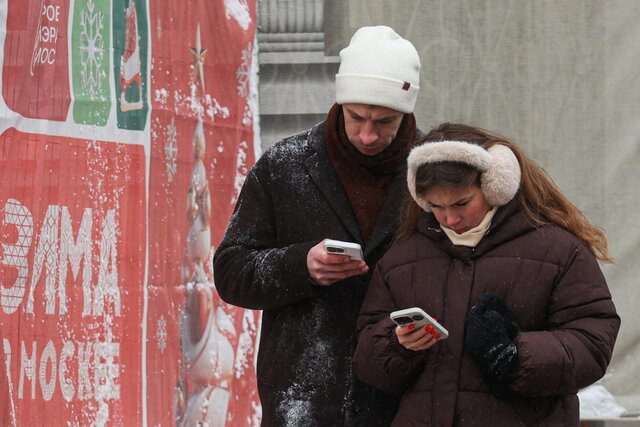
Госдума в первом чтении приняла законопроект, обязывающий операторов связи по требованию ФСБ отключать любые услуги связи: от стационарного интернета до телефонии. Формально — под предлогом угроз безопасности. Власти объясняют инициативу необходимостью упорядочить действия при атаках БПЛА, а также снять с операторов ответственность за принудительные отключения. На самом деле депутаты лишь юридически оформляют практику, которая в России существует уже давно, заявил в комментарии «Новой-Европа» журналист и автор книги «Русский киберпанк» Андрей Захаров. Подробнее о законопроекте — в материале «Новой-Европа». Фото: Александр Миридонов / Коммерсантъ / Sipa USA / Vida Press.13 минут на цензуру 27 января Госдума в первом чтении приняла законопроект, обязывающий операторов связи отключать оказание любых услуг связи по запросу ФСБ. Документ был принят 379 голосами «за». Воздержавшихся и голосовавших против не было, депутаты от партии «Новые люди» не голосовали. «Агентство» подсчитало, что обсуждение законопроекта длилось 13 минут. Законопроект обяжет операторов приостанавливать оказание любых услуг связи по требованию ФСБ при «угрозах безопасности граждан и государства». Случаи, когда такие угрозы могут возникать, власти опишут в указе президента или постановлении правительства. При этом операторы не будут нести материальную ответственность перед клиентами за эти отключения. Впервые о законопроекте стало известно в ноябре 2025 года. Тогда эксперты заявили «Ведомостям», что у операторов не было прямой обязанности отключать абонентов от связи по требованию госорганов. При этом с весны 2025 года подобные запросы стали поступать от самых разных ведомств, что «привело к неразберихе». Запутать «врагов» В Госдуме законопроект представлял замглавы Минцифры Иван Лебедев, с 2001 по 2005 год служивший в ФСБ. Он заявил, что в законопроекте не конкретизируется, какие именно «услуги передачи данных» могут быть отключены, чтобы «враги» не до конца понимали механизм его работы. Лебедев также объяснил, что законопроект регламентирует ситуации, когда операторы связи получают требование отключить связь в связи с атаками беспилотников. «В развитие будут в том числе и нормативно-правовые акты, которые будут в том числе детализировать порядок, для того чтобы, откровенно вам скажу, чтобы враги до конца его не понимали», — пообещал замглавы Минцифры. Фото: Анатолий Жданов / Коммерсантъ / Sipa USA / Vida Press.Тем не менее, содержание этих актов будет «носить закрытый характер». Лебедев. Сами документы определят «механизм, что отключать, в какой момент, в каком объеме». «Конечно, вы абсолютно правы, чтобы не было в этом смысле перегибов, и если, условно, обычные СМС в данной оперативной обстановке не влияют на процесс, не создают угрозу, то, безусловно, точечно ее можно сохранять как услугу связи», — также добавил Лебедев. „ По его словам, власти считают необходимым также освободить операторов связи от возмещения убытков клиентам, так как они отключают связи «не самостоятельно». Бумага поспевает за делом Журналист и автор книги «Русский киберпанк» Андрей Захаров в разговоре с «Новой-Европа» объяснил, что фактически новый законопроект об отключениях связи по сути ничего не меняет, а лишь легализует уже существующую практику. «В России парадоксальным образом “понятийность” — то есть ситуация, когда закон не работает, а работают понятия, — сочетается с бюрократией и жесткой регламентацией всего», — рассуждает журналист. Особенно, по его словам, это заметно в интернет-сфере: многие практики либо уже давно существуют, либо считаются допустимыми по умолчанию, пока в какой-то момент не выясняется, что формальных полномочий у чиновников на них нет. Отключения интернета в России, напоминает Захаров, постоянно происходили и до новых законов — и в этом смысле законопроект лишь догоняет реальность. «С мобильным интернетом всё понятно, со стационарным — его отключают реже, но всё же отключают. Если вспомнить официальные учения Роскомнадзора, которые проходили, например, на Кавказе, в Дагестане в прошлом году, там точно так же отключали интернет у разных провайдеров, в том числе и стационарный. То есть ничего не мешало отключать и раньше», — подчеркивает эксперт. В учениях Роскомнадзора по изоляции рунета давно участвует ФСБ, считая это «вопросом кибербезопасности», напоминает Захаров. Это действительно так: например, спецслужба среди тех ведомств, с которыми Минцифры всегда утверждает план учений. — Возможно, им просто понадобилось юридически это оформить — чтобы, условно говоря, ФСБ сказала «нажмите кнопку», и её нажали уже формально. Хотя и сейчас, по сути, кнопку нажимают. При этом Захаров указывает, что уже сейчас любые ресурсы могут блокироваться по закрытым распоряжениям, которые «вообще не публикуются». „ «Какой смысл в 2026 году анализировать очередную размытую формулировку про “угрозу безопасности”, если у президента уже есть полномочия блокировать всё что угодно?» — уточняет эксперт. В разговоре с «Новой-Европа» сам журналист неоднократно подчеркивает, что обсуждаемый законопроект подразумевает лишь легализацию регулярных отключений интернета и связи, в условиях которых россияне живут с 2025 года. По его мнению, юридическое закрепление шатдаунов может упростить жизнь операторам связи: например, снизить риск исков и привести «понятийную» практику в соответствие с бюрократической логикой. «Раньше это мог быть просто звонок из ФСБ в Роскомнадзор, теперь это будет оформлено как полномочия внутри системы», — резюмирует Захаров.