government
Freed Russians return from Ukraine after prisoner exchange (VIDEOS)
Russia has received dozens of troops and three civilians as part of a US-facilitated prisoner exchange with Ukraine
3 months ago
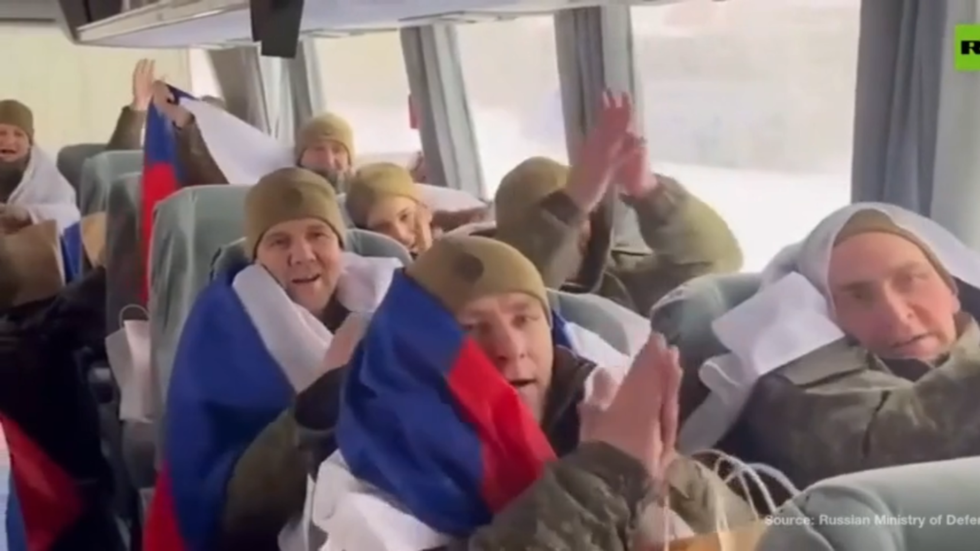
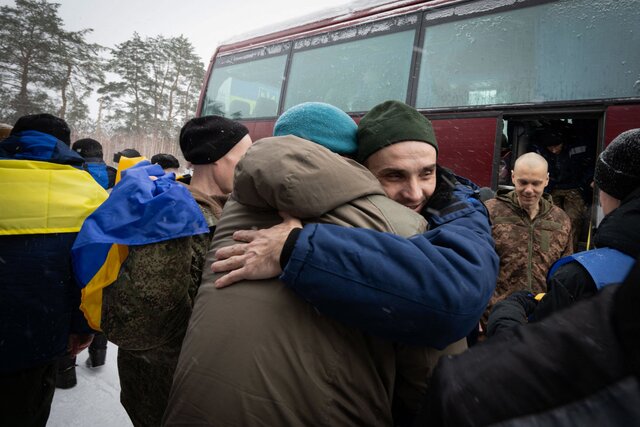
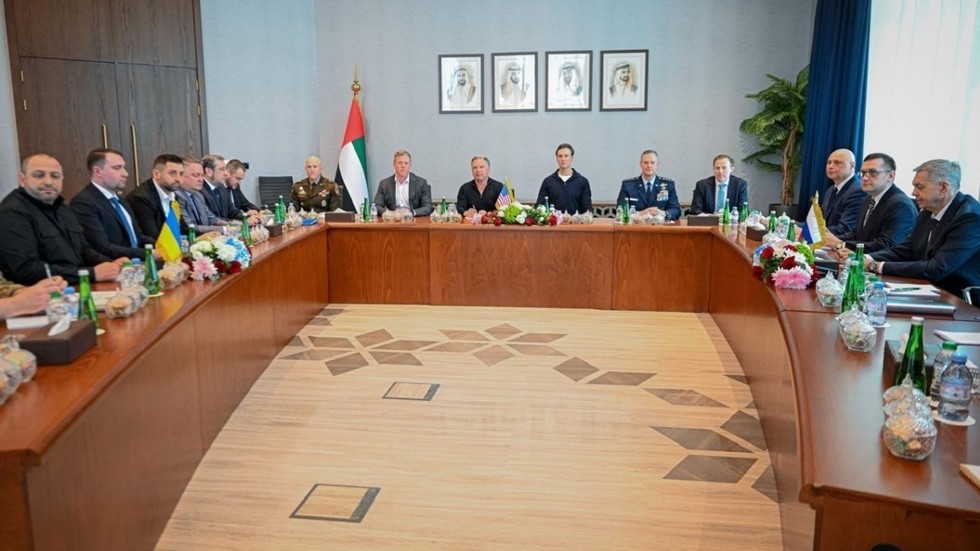
Russia and Ukraine conducted a large-scale prisoner exchange in early February 2026, with both sides acknowledging that 314 people in total were swapped: 157 Russian servicemen for 157 Ukrainian prisoners of war. Government-aligned Russian outlets additionally stress that three civilians from Russia’s Kursk Region, described as illegally detained or abducted by Ukrainian forces during operations on Russian territory, were also returned and are now in Belarus receiving medical and psychological care before onward transfer to Russia, while opposition outlets confirm their return but frame it more neutrally as residents repatriated in the deal. Both sides report that this is the first exchange in roughly four to five months and that it occurred after or in parallel with talks involving Russia, Ukraine, and the United States in Abu Dhabi, with the United Arab Emirates serving as a key facilitator.
Across both government and opposition coverage, the exchange is tied to a broader diplomatic track involving trilateral negotiations in the UAE, with a US special envoy publicly highlighting the deal as concrete evidence that sustained diplomatic engagement can produce results even amid ongoing hostilities. Both sides agree that this round of talks was at least the second in Abu Dhabi, that it focused publicly on the humanitarian issue of prisoners of war while also touching on wider political and security questions, and that it may set the stage for further negotiations, including the possibility of higher-level contact between the Russian and Ukrainian leadership. The outlets concur that the exchange is part of a pattern where prisoner issues are leveraged as a rare area of practical cooperation within an otherwise deadlocked conflict.
Framing of the exchange. Government-aligned outlets portray the swap primarily as a humanitarian success and a diplomatic achievement for Moscow, emphasizing the safe return of Russian servicemen and civilians and highlighting the role of Russian authorities in securing their release. Opposition sources, while acknowledging the humanitarian aspect, frame the event more as a narrow technical outcome of US-led or US-facilitated diplomacy, stressing that it is limited progress within a broader, unresolved conflict. Government media underscore images of emotional reunions and medical care to build a narrative of national responsibility, whereas opposition outlets focus more on the political calculations and constraints shaping such exchanges.
Role of international mediators and leadership. Government coverage accentuates the constructive involvement of the United Arab Emirates and the productivity of talks with the US envoy, presenting this as evidence that Russia is open to dialogue and that Western channels can work when they respect Russian interests. In parallel, it floats the possibility of an eventual Putin–Zelensky meeting as a sign that Moscow is not opposed in principle to high-level diplomacy. Opposition outlets, by contrast, stress Washington’s leadership in convening and steering the Abu Dhabi talks, depicting Russia more as a party responding to pressure and incentives rather than as an equal co-architect of the process. They give less weight to the prospect of a leaders’ summit and more to the limits imposed by unresolved core disputes.
Territorial and political stakes. Government-aligned media either downplay or omit detailed discussion of territorial concessions, sovereignty disputes, or new demands, instead situating the exchange within a neutral peace-process narrative aimed at ending the war. Opposition sources report that, alongside the prisoner talks, Moscow pressed for recognition of its sovereignty over occupied territories such as Donbas and explored ceasefire mechanisms linked to these demands, making clear that Russia is seeking to consolidate gains. While government outlets stress generic progress and potential for peace, opposition outlets emphasize that President Zelensky flatly rejects any cession of land, framing the prisoner deal as occurring amid fundamentally irreconcilable positions on territory.
Narrative of responsibility and legality. Government media describe the three Kursk civilians as illegally detained or abducted by Ukrainian forces, casting Ukraine as violating international norms and presenting Russia as the protector of its citizens working through lawful diplomatic channels. Opposition coverage confirms their return but avoids strong legal language, instead situating their detention and release within the broader context of cross-border raids and retaliatory operations where responsibility is contested. Government outlets thus reinforce a narrative of Ukrainian wrongdoing and Russian rectitude, while opposition outlets treat the civilians’ case as one of many contentious incidents in a complex, escalating conflict rather than clear-cut evidence of criminality.
In summary, government coverage tends to emphasize humanitarian success, diplomatic openness by Moscow, and a depoliticized narrative of progress toward peace, while opposition coverage tends to spotlight US leadership, Russia’s underlying territorial demands, and the narrow, conditional nature of the progress reflected in the prisoner exchange.