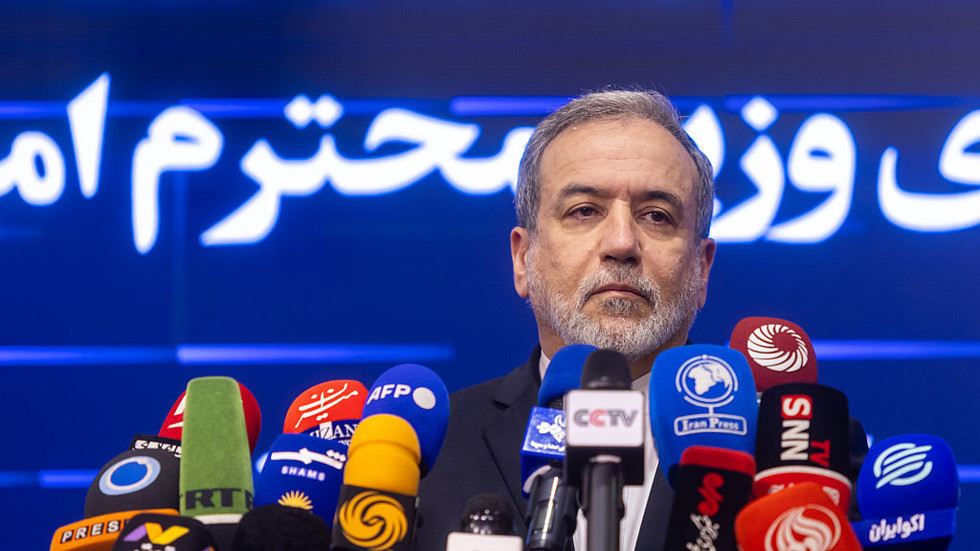
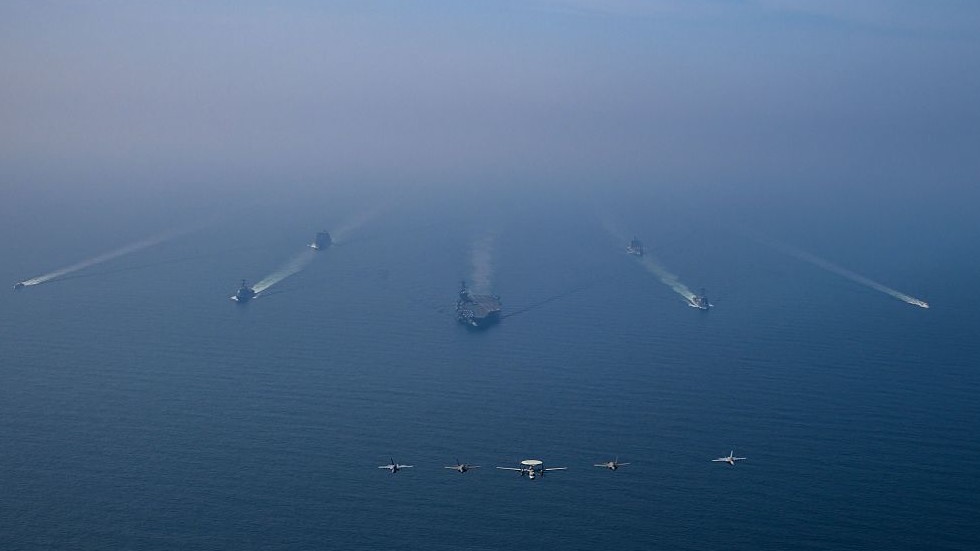
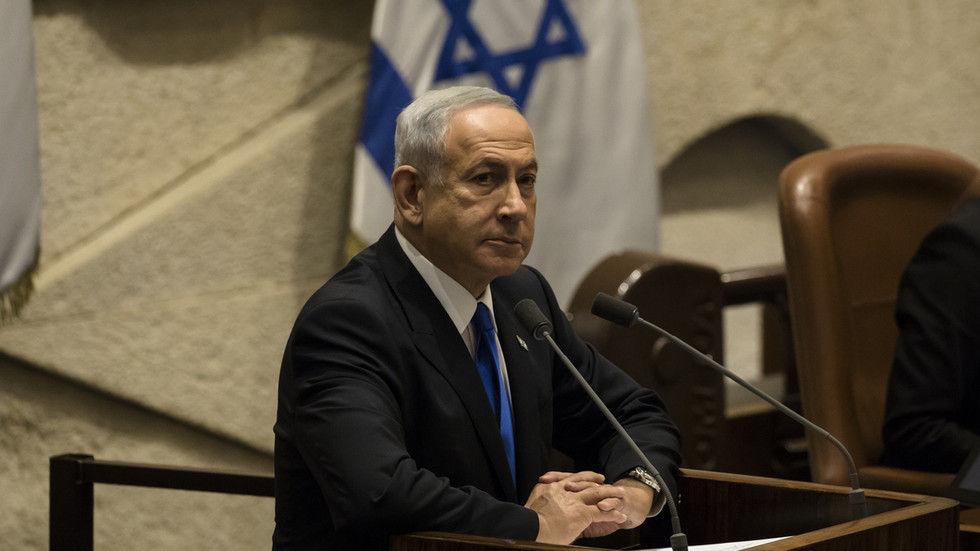
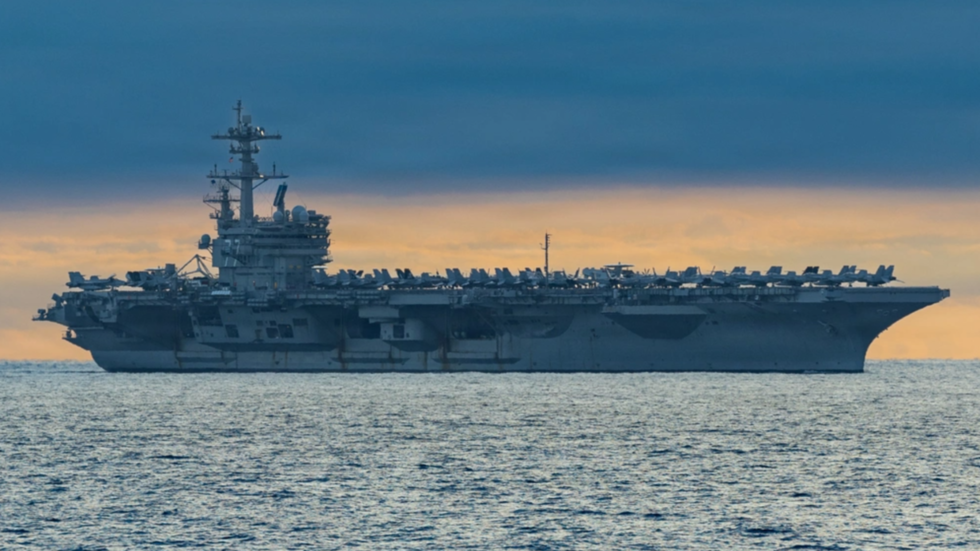
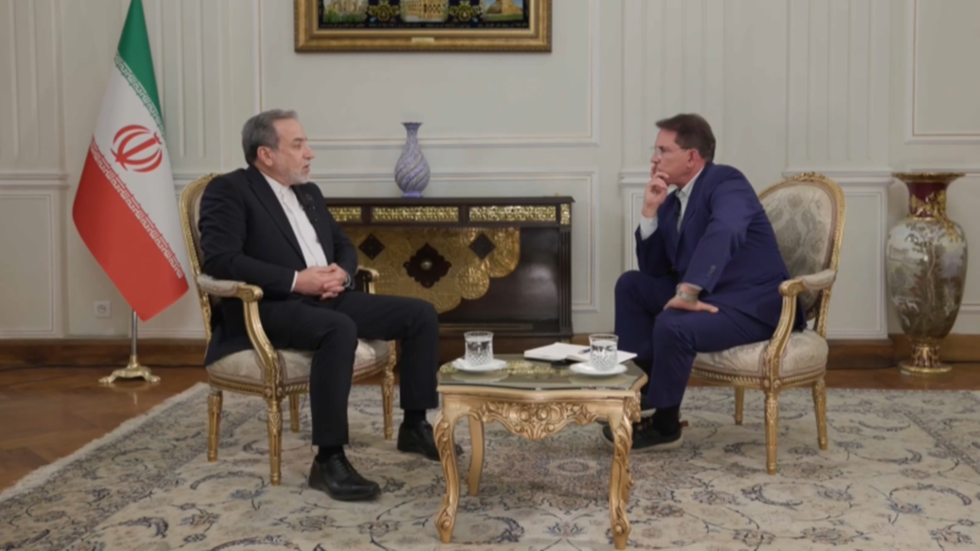
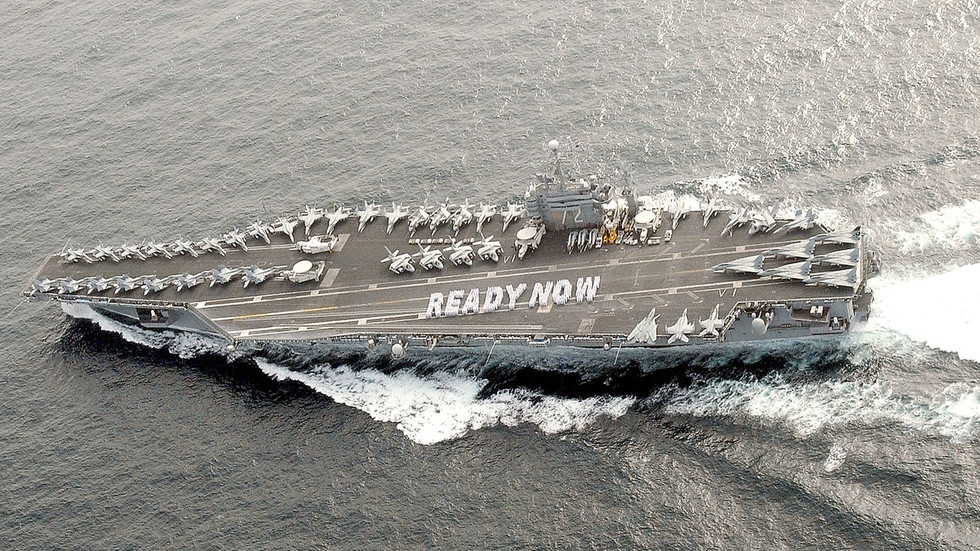
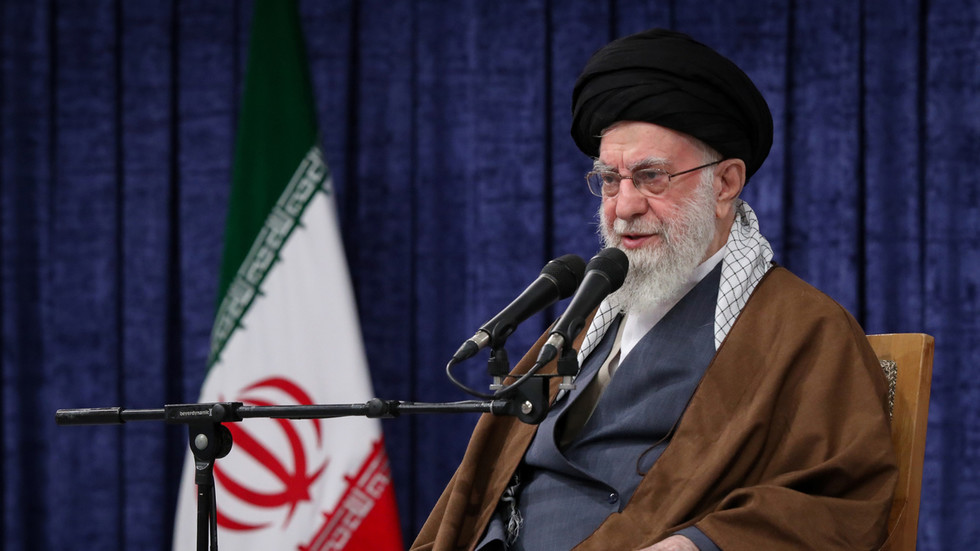
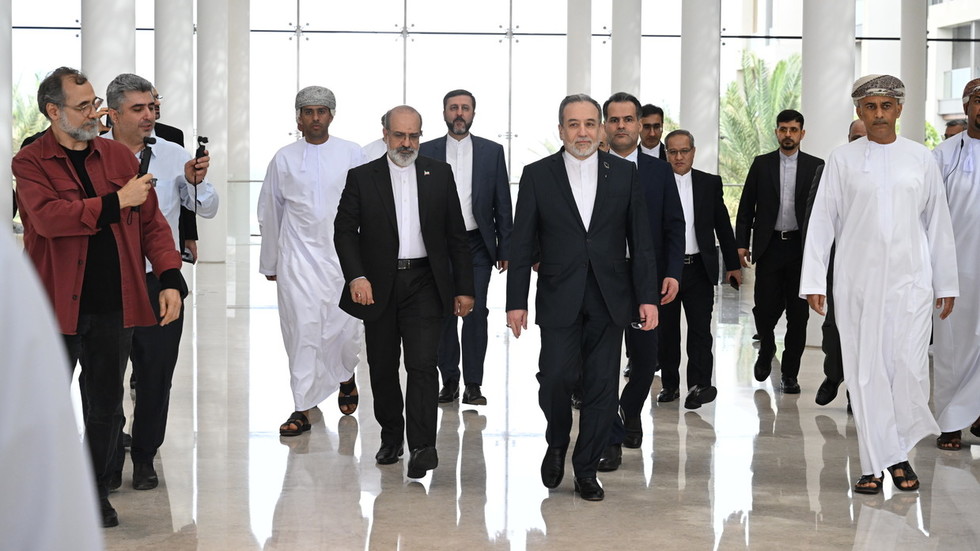
The US and Iran are preparing to resume indirect nuclear talks, with recent and upcoming rounds cited in Oman and Geneva, and renewed contacts in early 2026 framed as a narrow but important diplomatic opening. Government-aligned coverage consistently notes that Washington seeks constraints on Iran’s uranium enrichment and more stringent verification, while Tehran demands full sanctions relief and insists enrichment is its sovereign right, though it has floated technically specific compromises such as diluting its 60%-enriched stockpile. These reports agree that the talks unfold against a backdrop of escalating military deployments, including at least one and possibly two US aircraft carrier strike groups, large air contingents in the Persian Gulf region, and Iranian military drills, while Israel presses Washington for a much tougher deal that would remove enriched material from Iran and dismantle key infrastructure. Officials and interlocutors such as the IAEA director and the Turkish foreign minister are cited as saying that both Washington and Tehran show some readiness to compromise on a new arrangement, with a potential inspections agreement "within days" and US flexibility on accepting some level of Iranian enrichment, even as President Trump publicly reiterates a preference for zero enrichment.
Across these reports, the shared context is that the renewed negotiations follow the US withdrawal from the 2015 JCPOA and the reimposition of sweeping sanctions that have intensified Iran’s economic crisis and sharpened its insistence on guaranteed sanctions relief and durable economic benefits. Government-aligned sources describe a pattern of intermittent talks, breakdowns, and restarts, often linked to disputes over IAEA access, Israel’s covert and overt actions, and Iran’s retaliatory steps, with all actors aware that miscalculation could spiral into a wider regional war. The institutions at the center are the US executive branch, Iran’s political-military leadership including the foreign ministry and atomic energy organization, the IAEA as arbiter of verification, and regional players such as Israel and Gulf states whose security concerns shape US red lines. There is broad agreement that any sustainable deal will need to address not only centrifuges and uranium levels but also credible monitoring, phased sanctions relief, and mechanisms that make the agreement more resilient than the JCPOA, yet all within a framework where both sides publicly rule out core concessions on issues like Iran’s missile program and regional alliances.
Points of Contention
Intent and sincerity of negotiations. Government-aligned coverage often amplifies US claims that Iran "talks a lot but does little" and is not ready for practical steps, portraying Washington as reluctantly patient but fundamentally sincere in seeking a diplomatic solution that could avert war. By contrast, opposition-oriented narratives would likely argue that the US is instrumentalizing talks as cover for a coercive strategy, pointing to the parallel buildup of military forces and discussion of seizing oil tankers as evidence that pressure, not compromise, is the real objective.
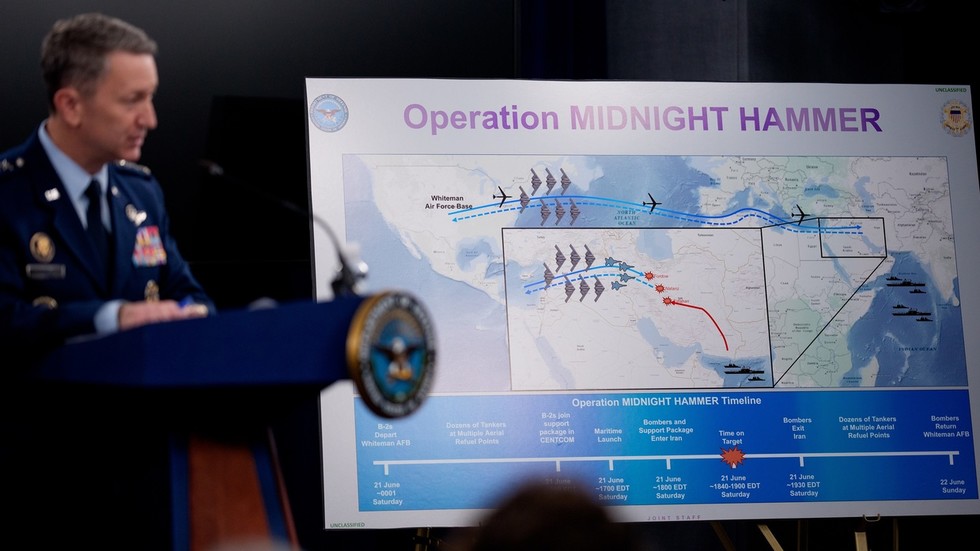
Framing of military escalation. In government-leaning reports, the deployment of additional aircraft carriers, warplanes, and contingency plans for multi-week operations are framed as defensive deterrence measures to contain Iranian aggression and force Tehran back to the table on acceptable terms. Opposition sources would be more inclined to depict these moves as provocative escalation that raises the risk of miscalculation, bolsters hardliners in Tehran, and undermines the credibility of any US claim to prioritize diplomacy over regime-change ambitions.
Nature of Iranian nuclear and regional activities. Government coverage tends to emphasize the threat posed by Iran’s high-level enrichment, missile program, and regional proxies, echoing Israeli demands that enriched material leave Iran and that infrastructure be dismantled, and stressing that enrichment beyond minimal levels lacks a peaceful justification. Opposition coverage would more likely highlight Iran’s offers to dilute 60%-enriched stockpiles, provide assurances against nuclear weapons, and keep talks focused narrowly on the nuclear file, arguing that Washington’s insistence on broader issues such as missiles and regional influence is what repeatedly derails potential agreements.
Allocation of responsibility for past deal failures. Government-aligned outlets generally describe the collapse of the JCPOA as a response to Iran’s malign behavior and non-nuclear activities, downplaying the impact of the US withdrawal and reimposed sanctions while suggesting that stronger economic and security incentives for Washington are needed for any new deal to endure. Opposition sources would instead place primary blame on the US for unilaterally exiting the accord and weaponizing sanctions, echoing Iranian officials who say that the previous deal failed because it offered insufficient, unreliable economic benefits to Iran and few binding constraints on future US administrations.
In summary, government coverage tends to present the renewed talks as a cautious but necessary effort by a militarily prepared US to constrain a dangerous Iranian program and behavior, while opposition coverage tends to portray the same process as diplomacy conducted under duress, with US pressure, military escalation, and maximalist demands bearing primary responsibility for both the current crisis and the fragility of any prospective agreement.