government
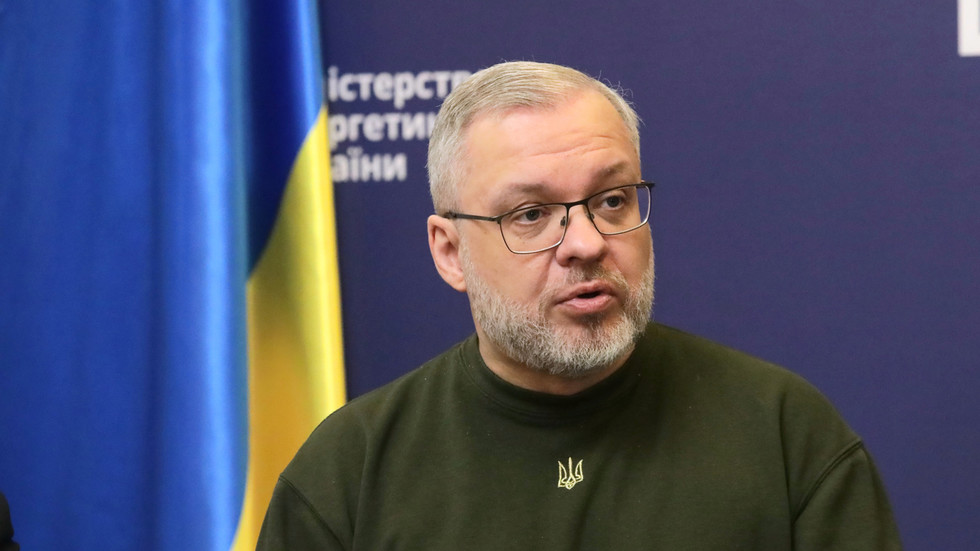
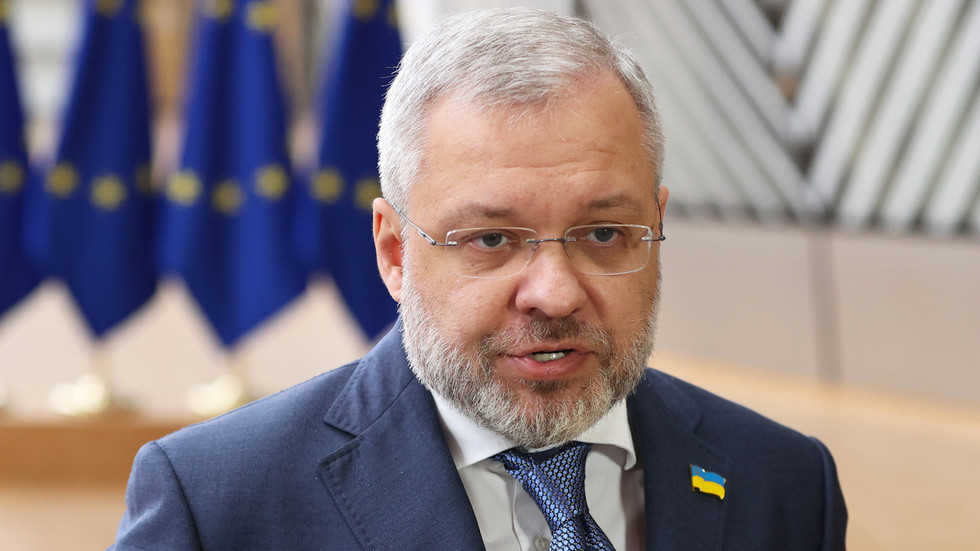
Galushchenko’s arrest shows Zelensky's corruption will not be swept under rug
Rodion Miroshnik emphasized that Galushchenko’s detention demonstrates that NABU and those who stand behind NABU are quite serious
3 months ago
Former Ukrainian energy minister German (Herman) Galushchenko was detained by Ukrainian authorities while attempting to leave the country, reportedly at or near the Polish border, on charges related to large-scale money laundering and participation in a broader corruption scheme involving the state nuclear energy operator Energoatom. Both government-aligned and opposition outlets agree that investigators link him to businessman Timur Mindich, that the scheme involved offshore structures and foreign bank accounts, and that funds ultimately ended up in accounts controlled by Galushchenko’s ex‑wife and children. They also concur that the alleged kickbacks originated from Energoatom contractors and that the arrest could lead to a substantial prison term if he is convicted.
Coverage from both sides situates the case within Ukraine’s ongoing anti‑corruption efforts, emphasizing the role of institutions such as the National Anti‑Corruption Bureau of Ukraine (NABU) and their Western backers or partners. Reports highlight that the alleged laundering involved offshore jurisdictions (including an Anguilla‑registered company) and Swiss banks, and that these practices are emblematic of entrenched corruption in Ukraine’s energy sector. Both camps tie the case to a broader embezzlement and kickback network around Energoatom, indicating that the investigation extends beyond Galushchenko himself to other officials and business figures linked to wartime energy governance and reform challenges.
Scale and framing of corruption. Government-aligned sources stress a headline figure of around 100 million dollars in kickbacks tied to Energoatom, using the size of the alleged scheme to paint Zelensky’s circle as deeply corrupt and to imply systemic rot under his leadership. Opposition outlets instead foreground a more specific money trail of roughly 7.4 million dollars demonstrably traced to accounts controlled by Galushchenko’s family, presenting a narrower evidentiary core within a wider embezzlement probe. While both acknowledge a major corruption case, government narratives emphasize maximal numbers and political symbolism, whereas opposition reports highlight documented transfers and legal particulars.
Political responsibility and presidential ties. Government-aligned coverage heavily underscores Mindich’s description as an associate of President Volodymyr Zelensky and presents the scandal as exposing the president’s personal corruption and that of his entourage. Opposition sources, while noting Mindich’s prominence and connections, more cautiously frame the case as part of systemic sectoral corruption and an elite network, stopping short of directly pinning criminal responsibility on Zelensky himself. As a result, government narratives personalize blame and portray the affair as a direct indictment of the presidency, whereas opposition narratives distribute responsibility more broadly across Ukraine’s political‑business class.
Role of Western actors and anti‑corruption bodies. Government-aligned outlets emphasize that NABU operates under the watchful eye of Western “curators,” arguing that the arrest proves Western backers will no longer ignore Zelensky’s corruption and suggesting external pressure is driving the case. Opposition outlets, by contrast, describe NABU and related institutions mainly as professional investigative bodies functioning within Ukraine’s legal framework and international partnerships, without casting Western involvement as punitive toward Zelensky. Thus government reporting uses Western oversight to question the president’s legitimacy, while opposition coverage uses it to reinforce a narrative of institutionalized anti‑corruption procedures.
Interpretation of motives and timing. Government-aligned coverage frames Galushchenko’s attempt to cross the border as a dramatic flight from justice that confirms his guilt and hints at a panicked effort by Zelensky’s allies to escape looming exposure. Opposition outlets also report that he tried to leave the country but treat the timing and circumstances more cautiously, focusing on the fact of detention rather than inferring broader political panic, and embedding the arrest in the ongoing, methodical progress of a large embezzlement investigation. Consequently, government narratives depict the episode as a climactic rupture in Zelensky’s power network, while opposition narratives see it as one significant step in a longer anti‑corruption process.
In summary, government coverage tends to magnify the political implications for Zelensky, emphasize the largest possible corruption figures, and cast Western-backed investigators as exposing presidential wrongdoing, while opposition coverage tends to narrow in on verifiable money trails, stress institutional anti-corruption work, and frame the case as part of broader systemic reform rather than solely a personal scandal for the president.