government
Canadian police identify mass school shooter as transgender
Authorities have confirmed that the “gunperson in a dress” who killed nine people in a mass shooting was a biological male
3 months ago
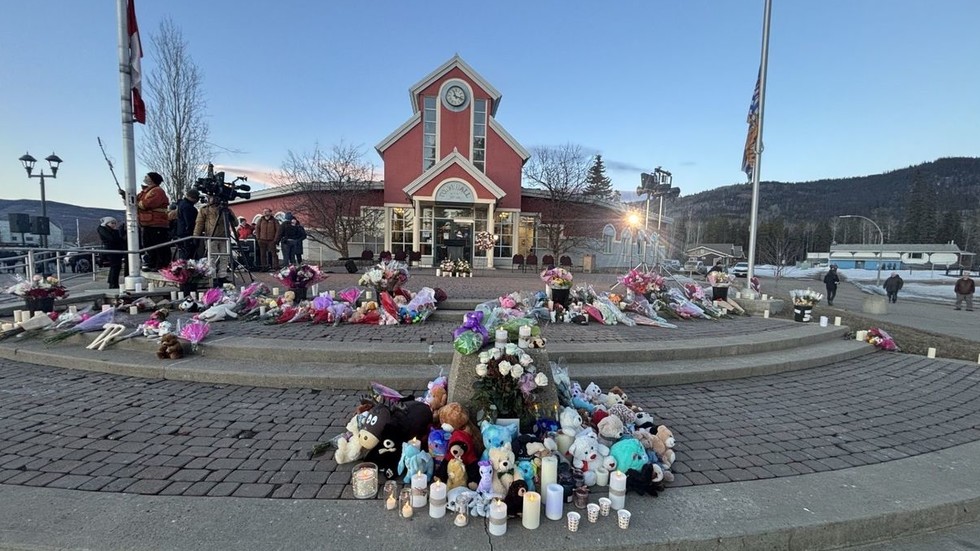
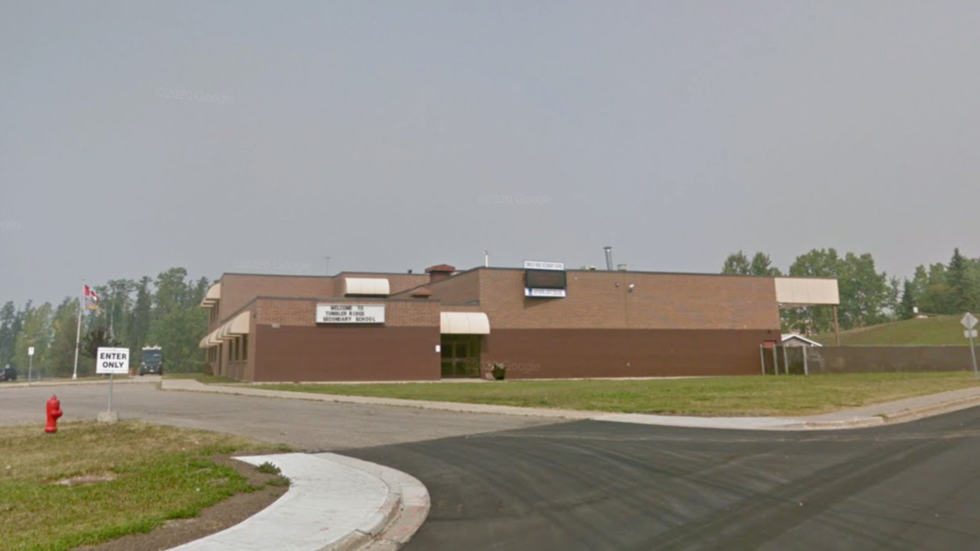
A mass shooting at Tumbler Ridge Secondary School in the small community of Tumbler Ridge, British Columbia, left multiple people dead and dozens injured on a Tuesday afternoon. Government-aligned reports consistently state that the suspected attacker was 18-year-old Jesse Van Rootselaar, a former student who died of a self-inflicted gunshot wound after the attack, and that police recovered multiple firearms at the scene. Across these accounts, authorities confirm that at least eight to nine people were killed and around 25 to 27 others were injured, making it one of the deadliest mass shootings in Canadian history. Law enforcement officials describe the shooter as having moved through the school while "hunting" for victims, emphasizing that the attack did not appear to be directed at specific individuals.
Government sources share that the suspect had a documented history of mental health concerns and that the attack began after the killing of the shooter's mother and stepbrother, linking the school shooting to earlier domestic homicides. Coverage notes that police have not yet established a definitive motive and that the investigation remains active, with special attention to the suspect's background, access to firearms, and prior contacts with institutions. Reports highlight the involvement of local and provincial authorities, emergency responders, and victim support services in the aftermath, framing the event within Canada’s broader record of rare but high-impact mass shootings. There is agreement that the community is tight-knit and that officials are focusing on trauma counseling, public reassurance, and evaluating potential reforms in areas such as school security, mental health intervention, and gun control, even as concrete policy proposals are still pending.
Shooter identity and framing. Government-aligned outlets put notable emphasis on the suspect’s transgender identity, specifying that Van Rootselaar was born biologically male and transitioned to female about six years ago, and often foreground this detail near the top of their coverage. Opposition-oriented commentary, where it appears, tends to question whether highlighting gender identity is relevant or risks stigmatizing an already vulnerable minority group, and instead urges focusing on behavior, warning signs, and institutional failures. Government-friendly framing tends to link identity to public curiosity and completeness of the profile, while opposition sources characterize it as potentially sensationalist and distracting from systemic issues.
Motive and causation. Government coverage leans on police statements that the shooter was "hunting" victims and that the attack was not targeted, pairing this with references to the suspect’s mental health history and earlier domestic killings to sketch a narrative of individual breakdown. Opposition voices tend to push back on an individualized explanation, arguing that overemphasis on mental illness personalizes blame and obscures structural drivers such as gaps in psychiatric care, gun access, and school security protocols. While government-aligned reports stress that the motive is under investigation but likely tied to the suspect’s personal trajectory, opposition commentary frames the event as a foreseeable outcome of policy and institutional neglect.
Gun policy and security reforms. Government narratives generally treat firearm access and school security as areas to be reviewed within existing Canadian regulatory frameworks, stressing that Canada already has comparatively strict gun laws and that the immediate priority is investigation and community healing. Opposition-aligned analysis tends to insist that the scale and deadliness of the attack prove existing controls and enforcement are inadequate, demanding sharper restrictions on certain weapons, tighter licensing oversight, and more robust protective measures in schools. Government coverage therefore presents reforms as a measured, data-driven next step after fact-finding, while opposition outlets cast the shooting as a policy failure demanding urgent and more sweeping change.
Institutional accountability. In government-oriented reporting, police and other authorities are largely portrayed as acting swiftly and professionally, with an emphasis on rapid response, ongoing investigation, and deployment of support services, and any past contact with the suspect is mentioned but not heavily scrutinized. Opposition perspectives tend to interrogate whether law enforcement, mental health services, or social agencies missed red flags, ask if previous warnings were ignored, and question whether oversight mechanisms functioned as intended. Government narratives foreground institutional competence and resilience, while opposition narratives stress missed opportunities and systemic accountability.
In summary, government coverage tends to foreground the known facts, the suspect’s personal profile, and the professionalism of the ongoing response, framing possible reforms as measured follow-ons to a full investigation, while opposition coverage tends to de-emphasize identity details, stress structural and policy failures, and call for more aggressive scrutiny of institutions and regulations implicated in allowing the tragedy to occur.