government
Former cricket greats appeal to Pakistan for better treatment of Imran Khan
A letter co-signed by Indian, Australian, English and West Indian cricketers has been submitted to the Pakistani prime minister
3 months ago
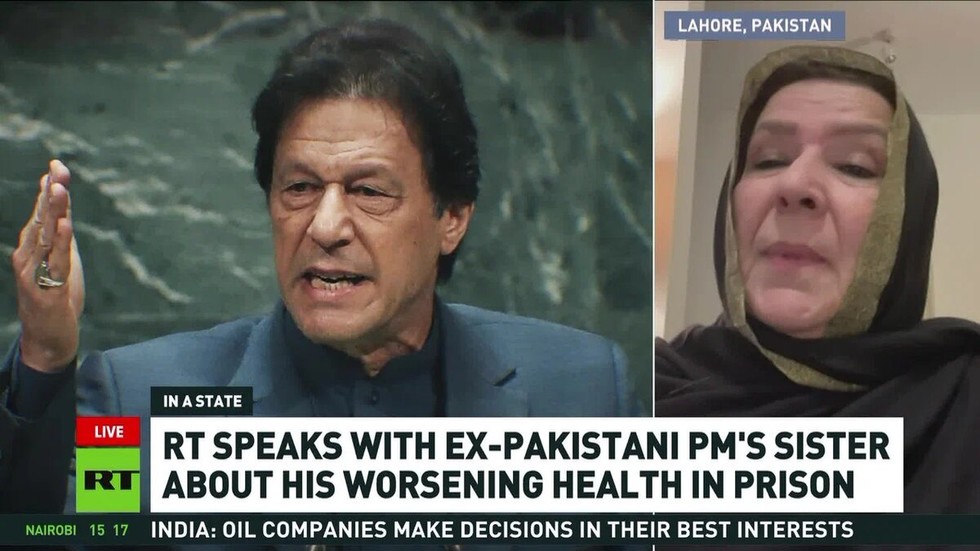
Reports across government-aligned and opposition-leaning coverage agree that former Pakistani Prime Minister Imran Khan, currently imprisoned on corruption and state secrets convictions he disputes, is facing mounting concerns over his health. Both sides highlight that he has been held for months with highly restricted access to his family and personal doctors, with his sister and legal team warning of deteriorating eyesight and broader health issues. They concur that for roughly three months, independent medical access has been blocked or tightly controlled, prompting questions about the accuracy of prison and government health updates. The outlets also agree that a cross-border group of more than a dozen former international cricketers from Pakistan and other countries has publicly appealed to Pakistan’s leadership to allow better treatment, independent medical examination, and more humane conditions, including regular family visits.
Coverage from both camps situates these health concerns within Pakistan’s broader institutional and political context, acknowledging the role of the prison authorities, the federal government, and the judiciary in determining Khan’s treatment and access to care. They describe the case as unfolding amid a long-running confrontation between Khan’s party and the current governing coalition, with courts and security agencies deeply involved in multiple legal cases against him. Both note that international attention from sports figures and human rights advocates has increased pressure on Pakistani institutions to demonstrate adherence to due process and minimum standards for prisoners’ welfare. There is also shared recognition that how Khan’s health is handled could have implications for Pakistan’s political stability, its international image, and ongoing debates over prison conditions and legal reforms.
Seriousness of health risk. Government-aligned sources typically acknowledge that Khan has reported problems with his eyesight and general health but frame these as being monitored within the existing prison medical system, suggesting no verified life-threatening emergency. Opposition sources, by contrast, portray his health as acutely at risk, stressing unverified but alarming accounts of rapid vision loss and possible long-term damage due to delayed care. While government-friendly reporting tends to emphasize the absence of an official medical declaration of severe danger, opposition outlets highlight the very lack of independent examination as evidence that the risk could be far greater than authorities admit.
Access to medical care and doctors. Government-aligned coverage underscores that prison authorities are responsible for arranging medical check-ups and implies that procedures are being followed, with any limits on outside doctors portrayed as standard security or administrative policy. Opposition reporting argues that the three-month denial of visits by family and personal physicians is extraordinary and punitive, casting prison protocols as a pretext to withhold independent assessment. Government narratives suggest that state-appointed doctors and routine check-ups are sufficient and that special privileges would create unequal treatment, while opposition narratives insist that allowing doctors of his choice is essential precisely because trust in state medical reporting is low.
Motives behind restrictions. Government-friendly outlets generally attribute the stringent conditions to legal convictions and ongoing high-profile cases, maintaining that any restrictions are grounded in security, legal obligations, and the need to avoid political spectacle. Opposition sources contend that health-related restrictions are politically motivated, designed to weaken Khan personally and symbolically, and possibly to coerce concessions from his party. Where government-aligned reporting implies a neutral, rules-based system that happens to involve a polarizing figure, opposition coverage frames these same rules as selectively weaponized against a prominent rival.
International and domestic pressure. Government-aligned media often present the letter from former cricketers and other international appeals as emotional but external commentary, noting them while downplaying their authority over Pakistan’s internal legal processes. Opposition outlets elevate these interventions as moral indictments of the government’s handling of a high-profile prisoner, arguing that such global attention underscores the abnormality of his treatment. Government narratives emphasize sovereignty and legal autonomy in the face of outside pressure, whereas opposition narratives stress that reputational costs abroad and public concern at home should compel immediate changes in how Khan’s health is managed.
In summary, government coverage tends to stress procedure, security, and institutional control, casting Imran Khan’s health situation as concerning but officially manageable, while opposition coverage tends to portray his condition as dangerously neglected, politically driven, and emblematic of broader abuses by the current authorities.