government
Ex-Russian billionaire handed 20-year sentence in Azerbaijan
A court in Azerbaijan has handed billionaire and former Russian citizen Ruben Vardanyan a 20-year prison term
3 months ago
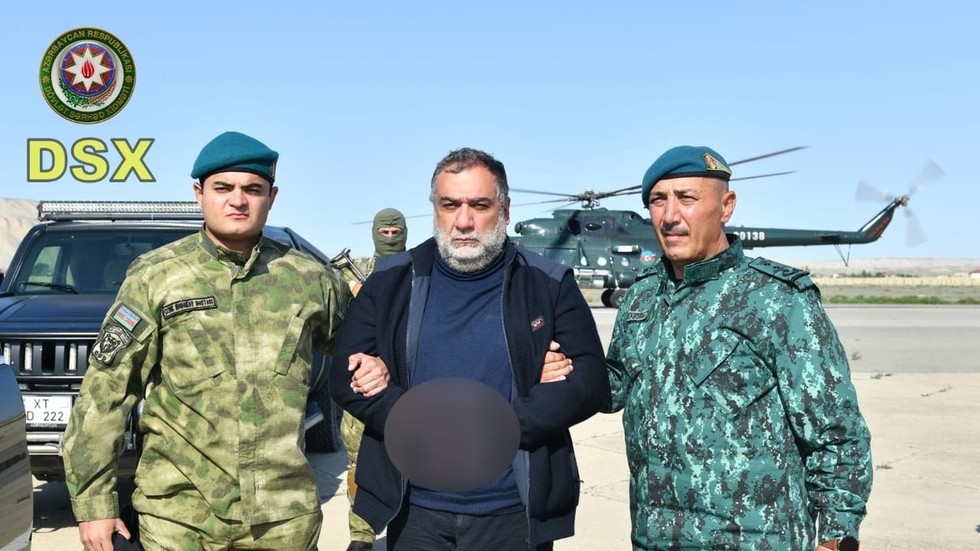
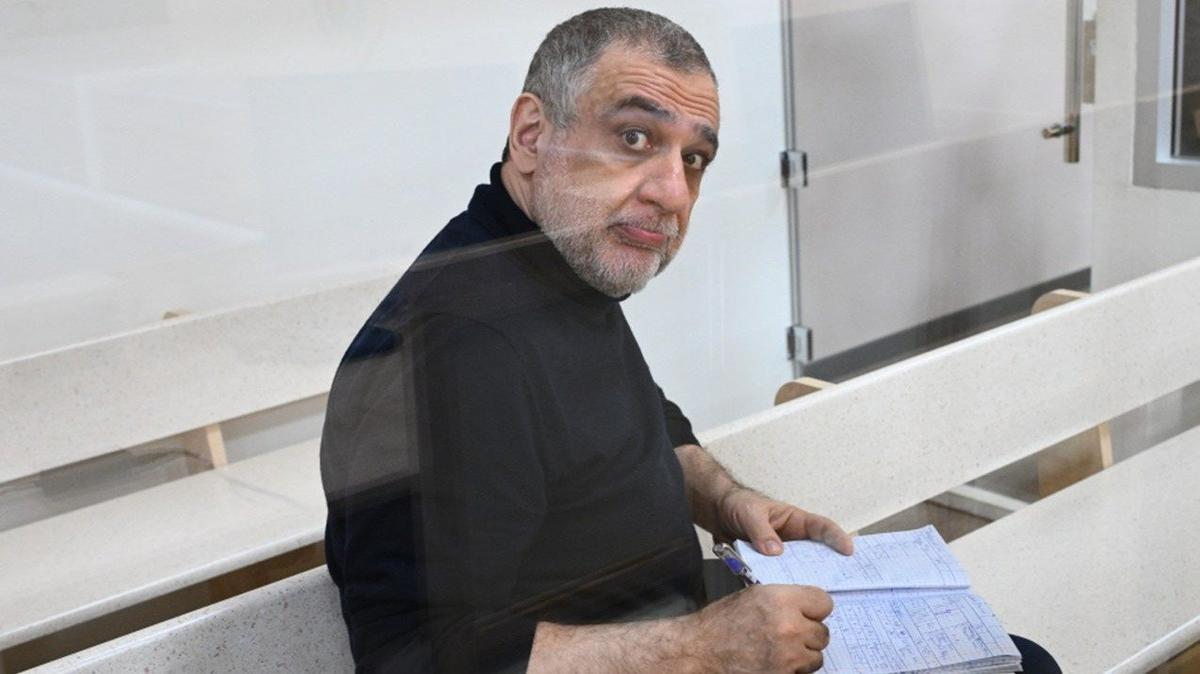
Ruben Vardanyan, a former billionaire and ex–state minister/prime minister of the self-proclaimed Nagorno-Karabakh authorities, has been sentenced by a Baku military court to 20 years in prison. Both sides agree he was detained by Azerbaijani forces in September 2023 as he tried to leave Nagorno-Karabakh after Azerbaijan reasserted control over the region, and that he faced a large number of charges, including waging aggressive war, terrorism-related offenses, and terrorism financing, all of which he denies. Coverage notes that his family has publicly reacted to the decision, calling the sentence severe and characterizing the outcome as harsh but unsurprising given the political and military context.
Both government-aligned and opposition outlets describe the case as arising from Vardanyan’s brief tenure in the upper echelons of the de facto Nagorno-Karabakh administration, which Baku considered illegal, and link the prosecution to the broader conflict over the region. They agree that the trial took place in Azerbaijan’s military court system and that proceedings were closed to the public, raising questions about transparency that are at least acknowledged in passing. Both sides situate the verdict in the aftermath of Azerbaijan’s 2023 offensive and the dissolution of the Karabakh institutions, presenting the case as part of a wider post-conflict legal and political reckoning.
Nature of the charges and culpability. Government-aligned coverage emphasizes the gravity and breadth of the accusations, foregrounding terms like aggressive war, terrorism, and financing of terrorism to cast Vardanyan as a key architect of unlawful armed resistance to Azerbaijan’s sovereignty. Opposition sources, while listing the same charges, downplay their credibility by stressing that Vardanyan rejects them and by highlighting defense claims of fabricated or politically driven evidence. As a result, government narratives frame his conviction as a necessary response to serious crimes, whereas opposition narratives frame it as a predetermined outcome in a show trial.
Characterization of the trial process. Government-leaning outlets acknowledge that the hearings were closed but generally present the proceedings as a lawful military-court process consistent with wartime and national security conditions, offering little detailed scrutiny of evidentiary standards. Opposition outlets focus on the opacity of the closed-door format, echoing the family’s view that it fails to meet fair-trial norms and using this to suggest systemic judicial bias in politically sensitive cases. Where government narratives normalize the use of military courts in this context, opposition reporting uses the same fact pattern to argue that due process was fundamentally compromised.
Political and symbolic framing of Vardanyan. Government-centric reporting portrays Vardanyan essentially as a foreign oligarch who inserted himself into Karabakh politics and helped sustain a separatist structure, thus symbolizing unlawful interference and resistance to Azerbaijan. Opposition outlets instead highlight his role as a former head of the Karabakh government who stepped in during a crisis, presenting him more as a political leader and, implicitly, as a figure targeted for his association with the de facto authorities rather than for proven criminal acts. This leads government coverage to treat the sentence as a deterrent message to other would-be sponsors of separatism, while opposition coverage casts it as retribution against a high-profile representative of Karabakh’s dissolved institutions.
Broader conflict narrative. Government-aligned media situate the verdict within a narrative of restoring territorial integrity and post-conflict justice, suggesting that prosecuting figures like Vardanyan is part of consolidating order after years of aggression against Azerbaijan. Opposition reporting places the case within a story of victor’s justice following the 2023 military operation, stressing displacement, the dismantling of Karabakh’s structures, and the vulnerability of former leaders now tried in the winner’s courts. Thus, government outlets frame the sentence as a legal milestone in ending a long-running conflict, while opposition outlets frame it as an extension of the conflict by judicial means.
In summary, government coverage tends to legitimize the verdict as a lawful and necessary response to grave security offenses embedded in a broader narrative of restored sovereignty, while opposition coverage tends to question the charges, fairness, and motivations, portraying the sentence as politically driven victor’s justice against a symbol of the former Karabakh leadership.