government
UK police arrest Epstein-linked ex-Prince Andrew
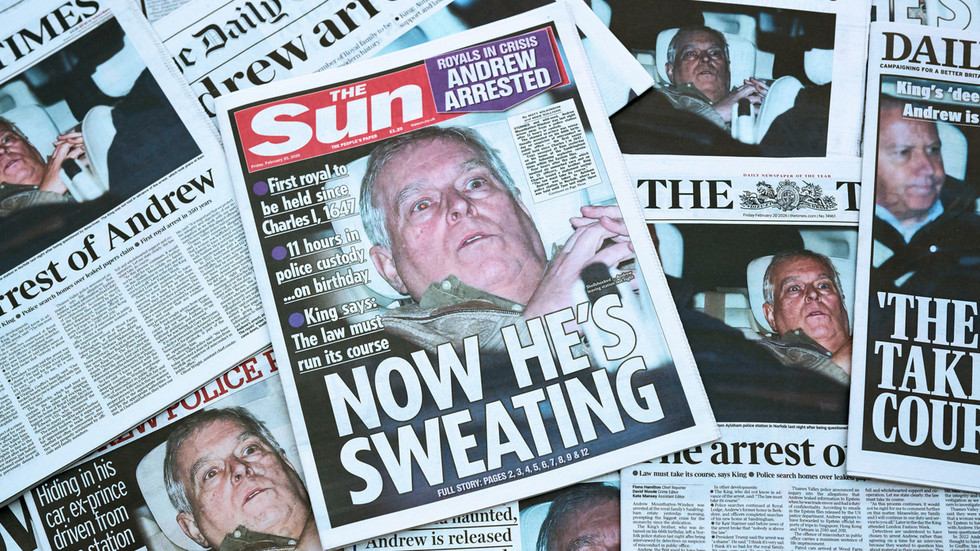
Former Prince Andrew Mountbatten-Windsor has been arrested by UK police over his ties to convicted pedophile financier Jeffrey Epstein
3 months ago
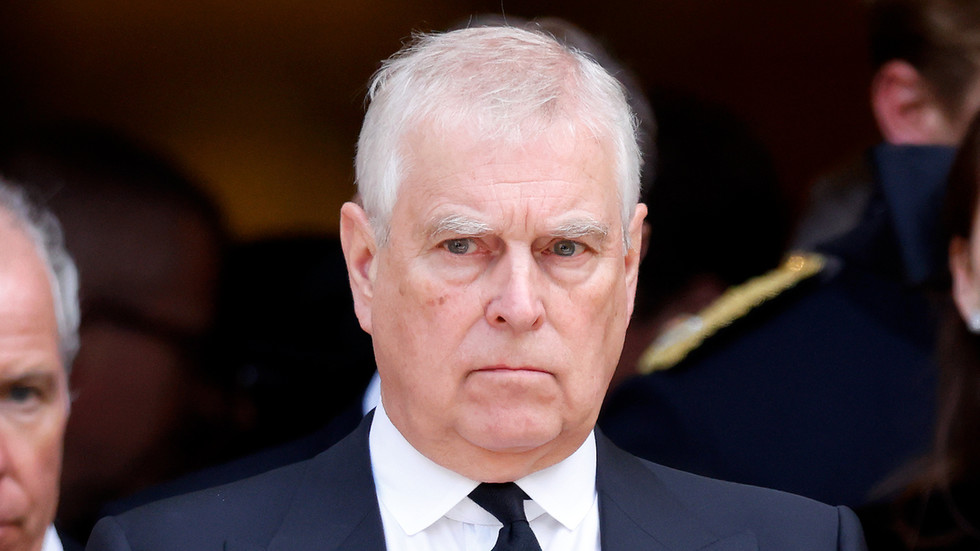
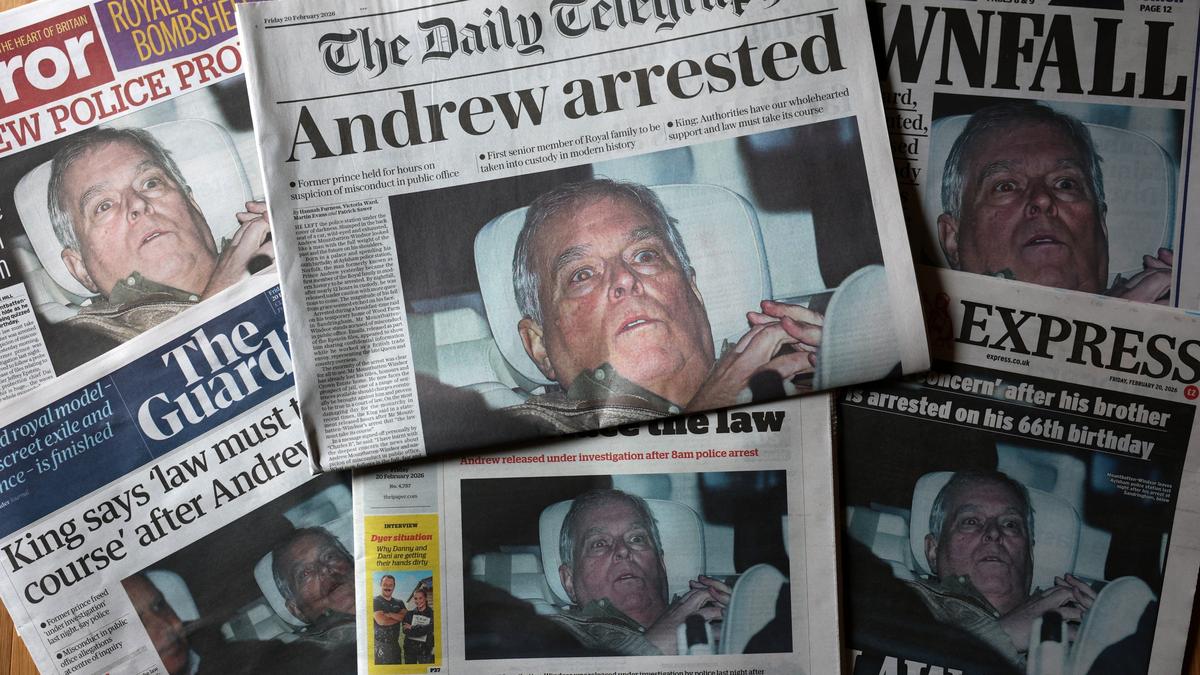
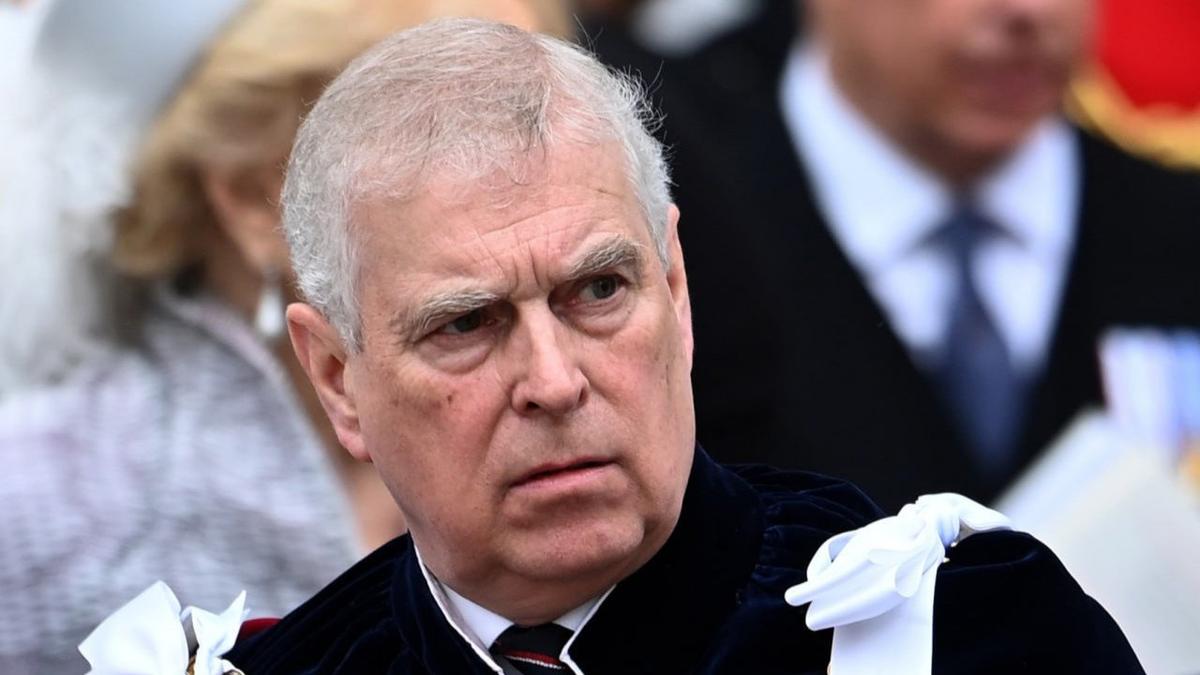
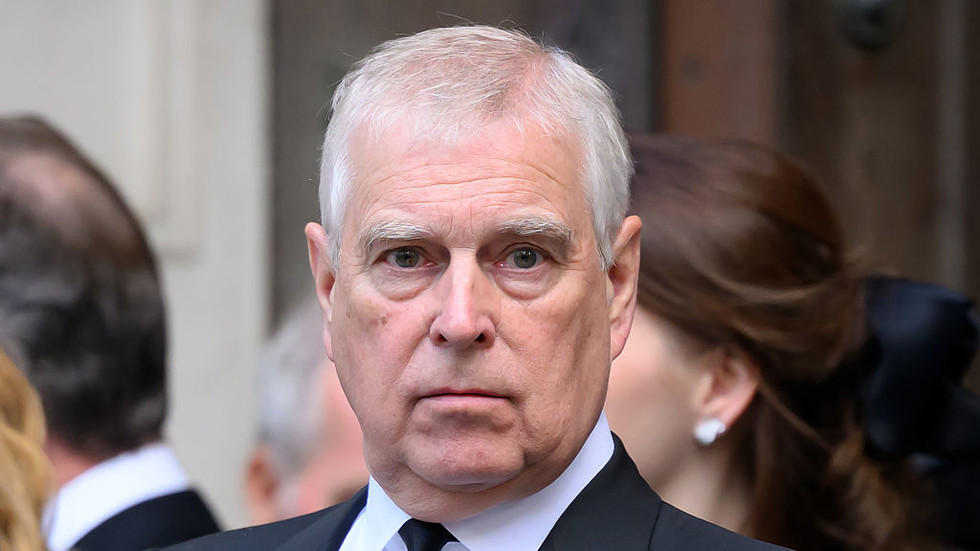
Former Prince Andrew, Andrew Mountbatten-Windsor, the 66-year-old brother of King Charles III, has been arrested by UK police on suspicion of misconduct in public office in connection with the Jeffrey Epstein case. Both government-aligned and opposition outlets agree that Thames Valley Police confirmed the arrest of a man in his sixties from Norfolk, that it took place at a royal residence in Sandringham, and that searches were conducted at multiple locations in the UK. Coverage on both sides links the arrest to allegations that, during Andrew’s tenure as the UK's special representative for international trade and investment, he shared or leaked confidential or sensitive information to convicted sex offender and financier Jeffrey Epstein, and that this came to light amid the release of Epstein-related documents. All outlets concur that Prince Andrew has been arrested, questioned, and then released under investigation, and that he formally denies all allegations against him.
Across both sets of outlets, there is broad agreement that this is a historic and unprecedented moment for the modern British monarchy, marking a rare instance of a senior royal facing criminal investigation. Government and opposition coverage alike describe the case as part of a broader reckoning following the “Epstein files,” highlighting renewed scrutiny of elite networks, official oversight, and the relationship between public office and private interests. Both emphasize the institutional stakes for the Crown, the justice system, and Parliament, noting statements from legal authorities that royals are not above the law and pointing to discussions of possible constitutional reforms such as removing Andrew from the line of succession. Shared reporting frames the case as testing the credibility of UK law enforcement, prosecutorial independence, and the monarchy’s claim to public legitimacy in the wake of mounting evidence of Epstein-linked misconduct.
Nature and gravity of allegations. Government-aligned outlets stress the misconduct in public office and human trafficking dimensions, highlighting claims that Andrew not only shared confidential information with Epstein but may have facilitated the movement of a trafficking victim into Buckingham Palace. They describe this as a systemic abuse of an official trade envoy role, potentially advancing Epstein’s business interests with sensitive material. Opposition sources, while acknowledging the misconduct in public office suspicion and the link to Epstein files, tend to foreground the information-sharing allegations and Andrew’s denials rather than detailing trafficking charges, casting the arrest primarily as a serious but still unproven corruption and secrecy breach tied to a notorious associate.
Institutional responsibility and the monarchy. Government coverage emphasizes that law enforcement and the Director of Public Prosecutions are acting independently and firmly, underscoring statements that the royals are not above the law and that King Charles III is fully supporting the investigation. It stresses the break with past royal scandal management and presents the arrest as evidence that state institutions are capable of scrutinizing even the monarch’s brother. Opposition outlets, by contrast, use the case to argue that the monarchy and political establishment allowed Andrew’s conduct to go unchecked for years, implying that only intense public and international pressure forced authorities to act, and raising questions about prior complicity or willful blindness within royal and government circles.
Political and constitutional fallout. Government-aligned reporting treats talk of removing Andrew from the line of succession and broader constitutional change as secondary to the legal process, noting these moves as possible but framing them as orderly, rules-based responses within existing parliamentary mechanisms. It tends to present the government as responsive yet cautious, insisting that reforms must not prejudice the ongoing investigation. Opposition coverage, however, casts the proposed bill to remove Andrew from the succession as evidence that the case has exposed deeper flaws in the monarchy’s structure and the government’s prior tolerance of royal privilege, arguing that Parliament and Commonwealth realms are being forced into reactive reforms to salvage credibility at home and abroad.
Framing of the state’s motives. Government-oriented outlets present the arrest as a difficult but necessary step to restore trust in institutions, implying that the state is proactively confronting historic wrongs associated with Epstein and elite networks. They often portray the timing—after release of Epstein files and growing political fallout—as law enforcement following the evidence to its logical conclusion. Opposition outlets are more inclined to see the move as damage control, suggesting the government is acting now to contain a scandal that has become impossible to suppress, and framing the arrest and potential succession reforms as belated efforts to protect the monarchy’s image rather than a purely principled pursuit of justice.
In summary, government coverage tends to portray the arrest as proof that UK institutions are upholding the rule of law and responsibly managing unprecedented royal misconduct, while opposition coverage tends to depict it as a forced and belated response that exposes long-standing failures of accountability within both the monarchy and the government.