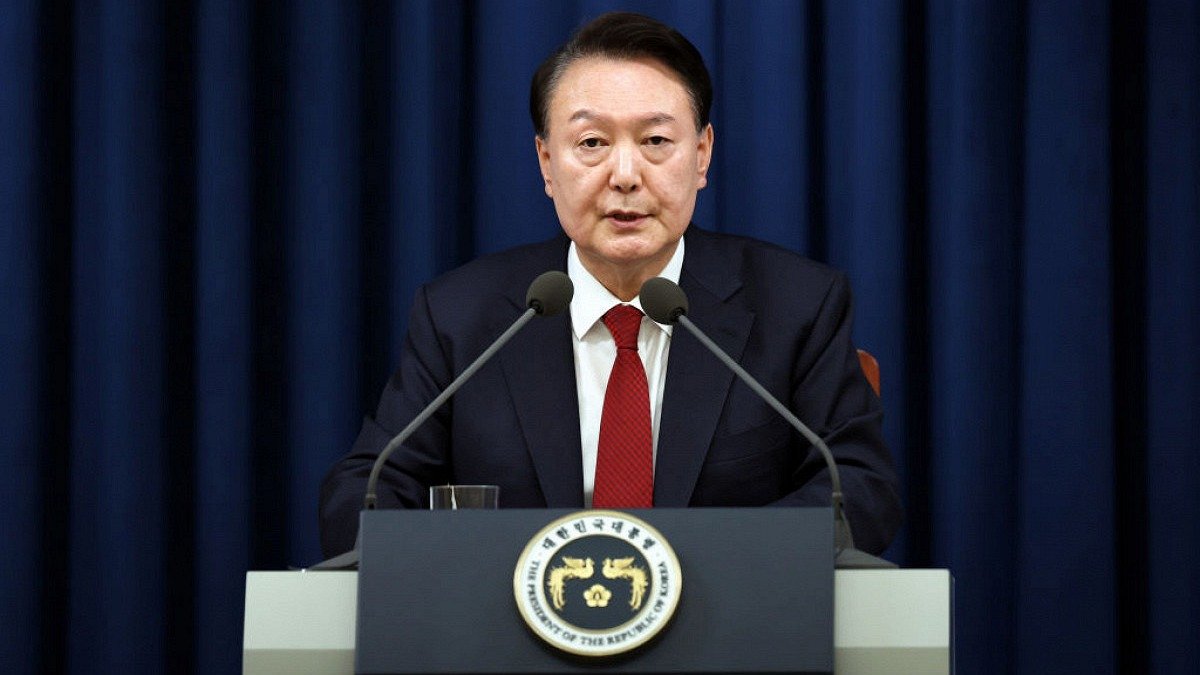
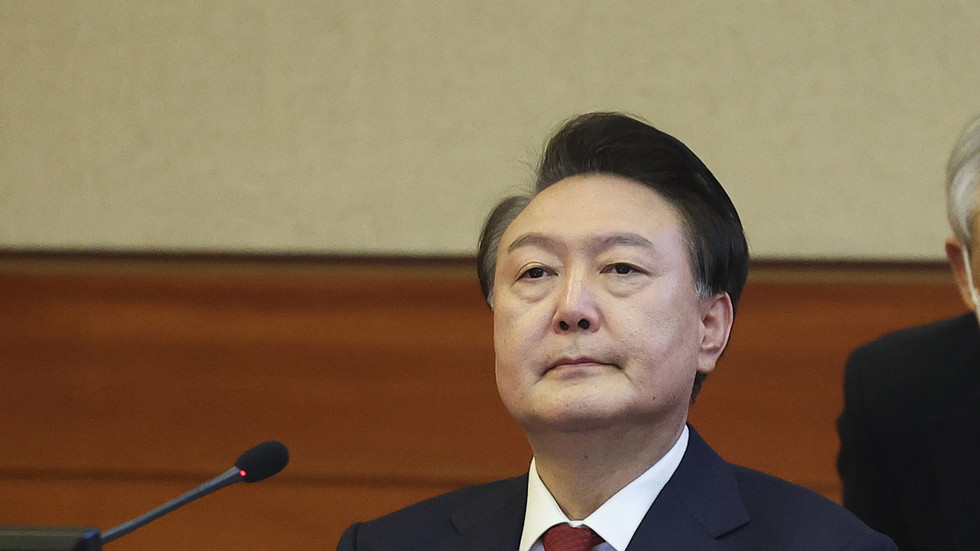
Former South Korean President Yoon Suk Yeol has been sentenced to life in prison by the Seoul Central District Court on charges linked to his 2024 declaration of martial law, with both government and opposition-leaning outlets agreeing on the basic timeline and outcome. Coverage from both sides reports that the court found he used military forces in a way that impeded the normal functioning of the National Assembly, leading to his conviction for insurrection or rebellion and the imposition of a life term rather than a fixed-term sentence or death penalty.
Across the spectrum, reports agree that the case stems from Yoon’s decision to declare martial law in response to what he called a threat of governmental paralysis, an action that ultimately triggered his impeachment, removal from office, and arrest. Both sides recognize the central role of the Seoul Central District Court, the involvement of the military in domestic politics, and the legal framing of the case as a serious constitutional and institutional breach, with potential implications for how future presidents, the military, and the legislature understand the limits of emergency powers.
Points of Contention
Nature and severity of the crime. Government-aligned outlets characterize Yoon’s actions primarily as an overreach or abuse of presidential emergency authority that disrupted parliament, emphasizing that force was limited and the plan was not thoroughly executed, implicitly softening the perception of a full-scale coup. Opposition outlets, by contrast, highlight the court’s description of him as the initiator and organizer of a wide-ranging rebellion involving many participants, stressing the gravity and systematic nature of the offense and framing it as an attempted subversion of democratic rule.
Portrayal of Yoon’s intent and remorse. Government-friendly coverage tends to repeat Yoon’s claim that he acted within his constitutional powers to avert a political paralysis, giving some space to his justification and suggesting ambiguity about his intent to overthrow institutions. Opposition sources underscore that the court found he showed no remorse, using this to argue that his actions were knowingly anti-democratic and that his continued defense of martial law demonstrates a deliberate attempt to cling to power rather than a misjudged emergency response.
Assessment of the life sentence. Government-aligned media generally treat the life sentence as a severe but institutionally grounded decision, sometimes noting mitigating elements such as the limited use of force and incomplete nature of the plan, which implicitly suggests the court could have opted for a lighter penalty. Opposition outlets present the life term as a necessary and proportionate response to a grave rebellion, arguing that his leadership role, lack of remorse, and the broad involvement of others justified the harshest possible punishment short of the death penalty to deter future abuses of power.
Implications for political stability and precedent. Government-oriented reports often emphasize the judiciary’s restraint and focus on legal process, worrying that excessively harsh readings of presidential emergency powers could constrain future leaders dealing with crises and potentially deepen political polarization. Opposition coverage highlights the ruling as a landmark defense of constitutional democracy, arguing that a firm precedent against military involvement in politics strengthens long-term stability by clearly warning future presidents and generals against any attempt to intimidate or bypass the legislature.
In summary, government coverage tends to frame Yoon’s actions as a grave but somewhat mitigated abuse of emergency powers and stresses procedural legality and restraint in sentencing, while opposition coverage tends to depict the episode as an unequivocal, large-scale rebellion against democratic institutions that fully justifies the harsh life imprisonment verdict.