government
Trump sets deadline for Iran deal
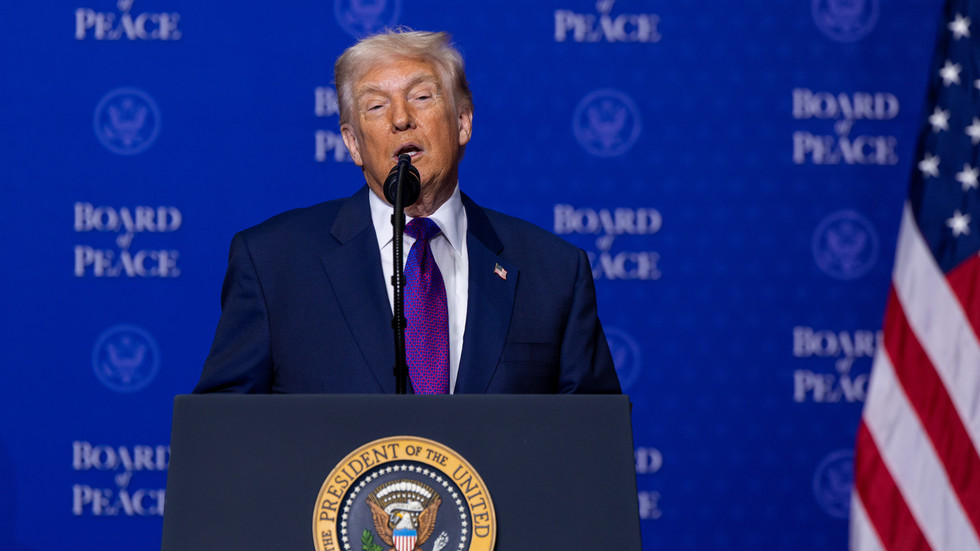
US President Donald Trump has issued a ten-day deadline for the Iran nuclear deal as the massive American military buildup continues
3 months ago
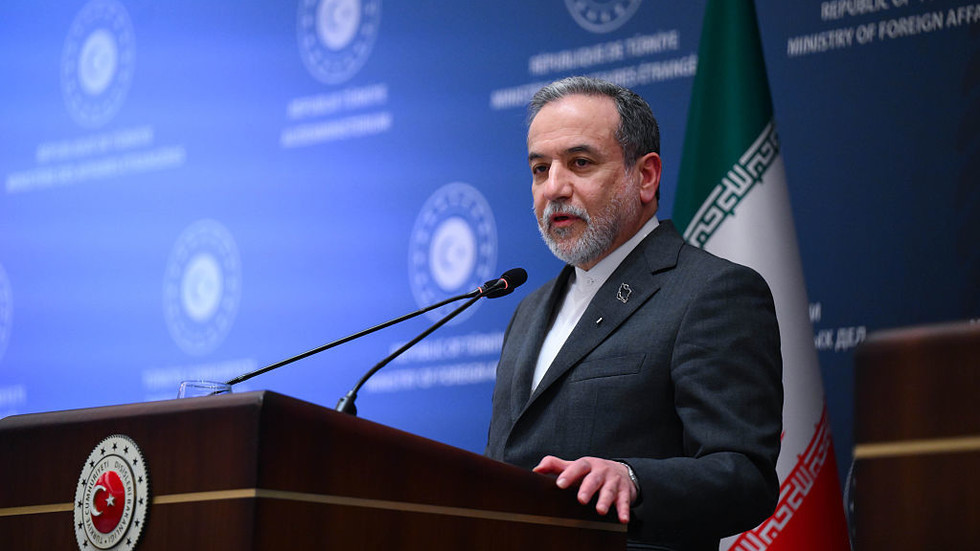
US President Donald Trump has set a ten-day deadline for determining whether a new agreement can be reached on Iran’s nuclear program, with the window tied to ongoing, largely indirect negotiations between Washington and Tehran. In public remarks, including at the inaugural meeting of the Board of Peace, Trump said that either a deal could be concluded or the United States would move to unspecified “further steps,” framed as decisive action. Iranian Foreign Minister Abbas Araghchi has indicated that Iran could present a draft for a potential new nuclear agreement to the United States within days, even as Iran continues military drills and asserts its right to civilian uranium enrichment. The timeline unfolds against a backdrop of a significant US military buildup in the Middle East, Omani-mediated talks that have so far produced no breakthrough, and parallel warnings from Russia that any escalation around Iranian nuclear sites risks a “potentially explosive” situation and possible nuclear disaster.
Across outlets, coverage situates the ten-day deadline within the long-running dispute over Iran’s nuclear activities, sanctions, and Western efforts to prevent nuclear weapons proliferation in the region. Institutions such as the US presidency, Iran’s foreign ministry, regional mediators in Oman, and major powers like Russia are presented as key actors shaping diplomatic and security dynamics. Both sides of coverage emphasize that the nuclear file involves not just US-Iran bilateral tensions but also broader international concerns over regional stability, maritime security, and energy markets. There is general agreement that prior diplomatic frameworks have faltered, that any new deal would need to address uranium enrichment and verification issues, and that the current standoff is occurring in an already volatile Middle Eastern security environment.
Intent and framing of the deadline. Government-aligned coverage portrays Trump’s ten-day deadline as a strategic and necessary move to force clarity, cast as a firm but potentially deal-opening ultimatum designed to break diplomatic inertia. By emphasizing that a draft agreement may be ready “within days,” these outlets suggest the deadline could catalyze compromise while maintaining pressure. Opposition sources, by contrast, are more likely to frame the deadline as an impulsive or performative gambit that compresses complex technical negotiations into an artificial timeline, increasing the risk of miscalculation rather than facilitating a sustainable agreement.
Characterization of US military buildup. Government-aligned outlets tend to depict the expanded US military presence in the Middle East as a deterrent posture meant to back diplomacy with credible force, presenting it as insurance against Iranian escalation and a guarantor of regional allies’ security. They highlight that military drills on both sides occur within a controlled signaling environment and can coexist with negotiations. Opposition coverage is more inclined to describe the buildup as escalation that undermines diplomatic channels, arguing that such shows of force heighten tensions, validate hardliners in Tehran, and make any prospective deal more fragile or less likely.
Portrayal of Iran’s position and rights. Government-aligned reporting acknowledges Iran’s insistence on its right to civilian uranium enrichment but often stresses the need for strict limits and oversight, sometimes implying that Iran’s activities pose an immediate proliferation risk if unconstrained. They may underscore Iranian drills and rhetoric as evidence that pressure is warranted. Opposition outlets are likely to give greater weight to Iran’s legal rights under international frameworks, presenting enrichment as permissible if monitored, and to argue that US red lines and threats, rather than Iran’s baseline position, are driving the current crisis.
Role of third parties and risk assessment. Government-aligned sources tend to treat Russian warnings about an “explosive” situation and potential nuclear disaster as cautionary but somewhat self-serving, noting that Moscow has its own interests and may exaggerate risks to constrain US options. They often highlight Oman’s mediation as proof that Washington is committed to peaceful resolution. Opposition coverage is more apt to amplify Russian and other international warnings as credible indicators that the US is “playing with fire,” emphasizing that strikes on nuclear facilities could have catastrophic regional and environmental consequences and that diplomatic avenues are being jeopardized by US brinkmanship.
In summary, government coverage tends to cast Trump’s ten-day deadline and accompanying military posture as a calculated blend of pressure and openness to a deal aimed at resolving a dangerous nuclear dispute, while opposition coverage tends to present the ultimatum as escalatory brinkmanship that compresses diplomacy, fuels regional instability, and shifts blame away from US policy choices.