government
Ukrainian footballer faces five years in jail for fight with press gang
Ukrainian football player Daniil Kolesnik is facing up to five years in jail for standing up to a conscription patrol
3 months ago
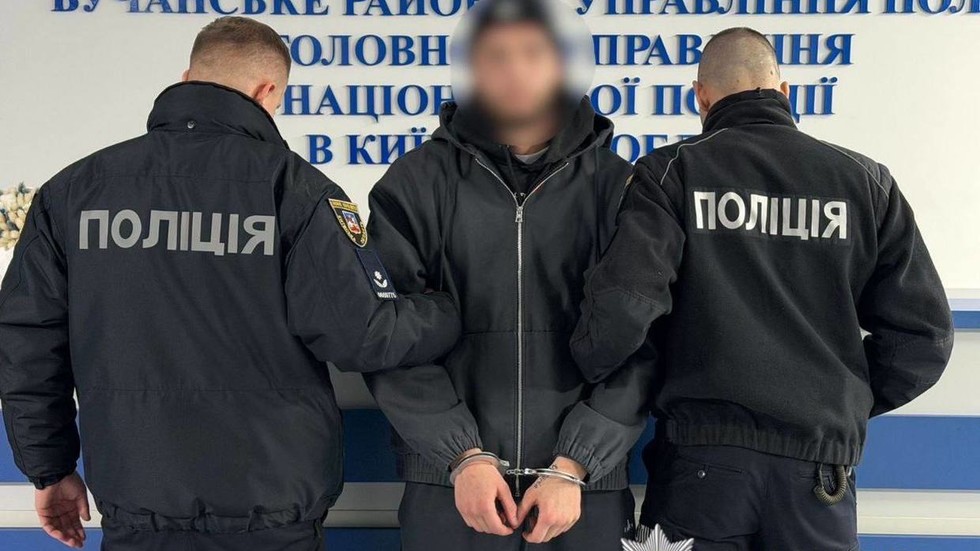
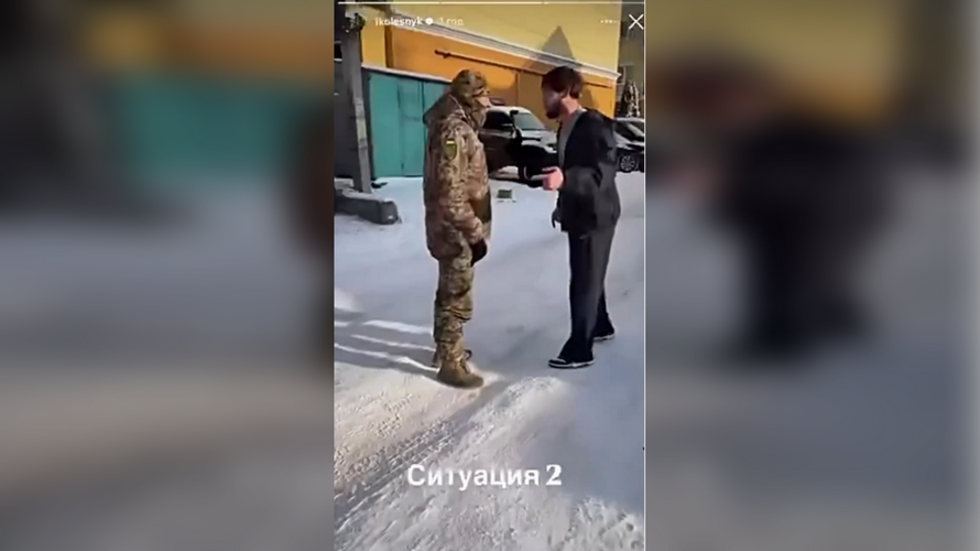
Daniil Kolesnik, a 24-year-old Ukrainian footballer who played as a forward for Kolos-2, was involved in a physical altercation with mobilization or conscription officers during a recruitment operation, during which he punched a draft officer and allegedly verbally abused a police officer. He was subsequently dismissed from his club, which issued an apology and publicly distanced itself from his behavior, while the local enlistment office condemned the assault; legal authorities are reportedly pursuing a criminal case that could carry a sentence of up to five years in prison. Government-aligned coverage notes that Kolesnik claims he intervened because he believed the officers were engaging in illegal or abusive actions, and that he is framing his conduct as self-defense and defense of another person.
Shared context across government-leaning reporting frames the incident within a broader crisis in Ukraine’s mobilization and conscription system, marked by manpower shortages at the front and a surge in public complaints about draft officers’ alleged abuses and heavy-handed methods. These outlets acknowledge that the episode has sparked debate within Ukrainian football and society, with some players and citizens expressing sympathy for Kolesnik’s motives while still recognizing the seriousness of attacking an officer, and they situate the case as part of a wider conversation about how to enforce mobilization lawfully and transparently during wartime.
Framing of the incident. Government-aligned sources typically present the basic facts of the assault and dismissal while stressing that any attack on mobilization officials is a criminal offense in wartime, and they highlight the formal condemnation from the enlistment office. Opposition outlets, where they comment indirectly or via opinion pieces, are more likely to foreground Kolesnik’s own account and the alleged misconduct of the officers, casting the punch as a reaction to perceived illegality rather than the central wrongdoing. Government reporting tends to sequence the story as “crime first, grievances second,” whereas opposition voices invert this, describing the confrontation as a symptom of deeper systemic injustice.
Responsibility and blame. In government coverage, primary blame is placed on Kolesnik for crossing a red line by using violence against state representatives, with any misconduct by draft officers treated as a separate issue to be handled institutionally. Opposition-oriented commentary shifts a substantial share of responsibility onto the mobilization apparatus, arguing that opaque rules, coercive tactics, and impunity among conscription staff create conditions where clashes become almost inevitable. Where government narratives emphasize individual accountability and discipline, opposition ones emphasize structural failings and the authorities’ role in provoking social anger.
Portrayal of institutions. Government-aligned media describe the enlistment office and law enforcement as imperfect but legitimate institutions under extreme wartime pressure, portraying investigations of both Kolesnik and alleged draft abuses as evidence the system can self-correct. Opposition perspectives tend to portray the same institutions as part of a “press gang” machinery, using that language to suggest quasi-lawless roundups and systemic overreach. Thus, government coverage reinforces trust in institutional reform and legal processes, while opposition coverage uses the case to illustrate a broader erosion of rule of law under mobilization.
Public sentiment and symbolism. Government sources acknowledge some public sympathy for Kolesnik but caution that glorifying his actions risks undermining mobilization and national security, so they present supporting footballers’ comments as emotionally understandable but misguided. Opposition voices more readily cast Kolesnik as a symbol of popular resistance to conscription abuses, using his status as an athlete to underline how dissatisfaction spans beyond marginal groups. Where government media warn against politicizing the incident, opposition-aligned narratives lean into its symbolic value as a rallying example of citizens pushing back against state overreach.
In summary, government coverage tends to stress rule of law, individual culpability, and the need to protect mobilization structures despite acknowledging some abuses, while opposition coverage tends to foreground systemic misconduct by draft authorities, treat Kolesnik more sympathetically, and use the incident as evidence of a deeper crisis in Ukraine’s conscription regime.