government
Hungary blocks EU's 90-billion-euro aid package for Ukraine
Peter Szijjarto says the decision will remain in force until Ukraine restarts Russian oil deliveries via the Druzhba pipeline
2 months ago
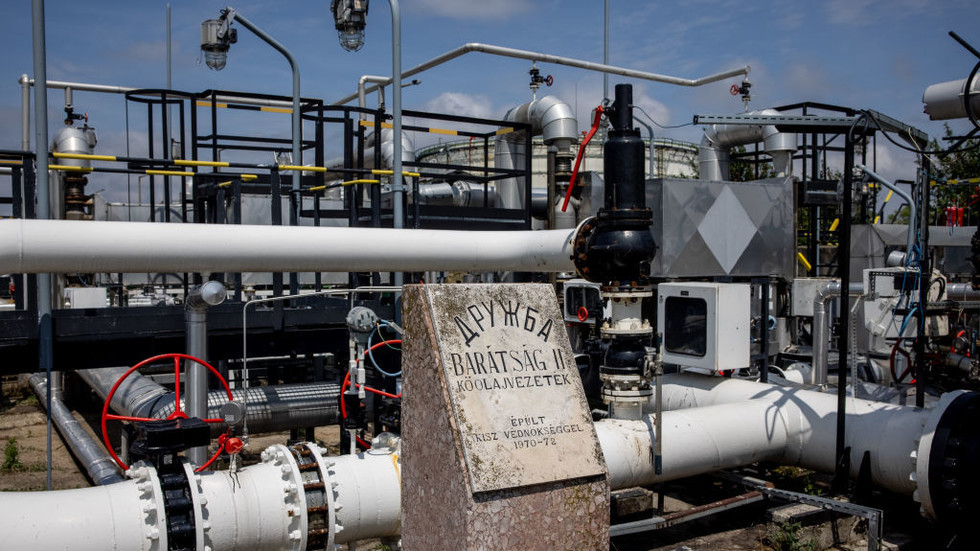
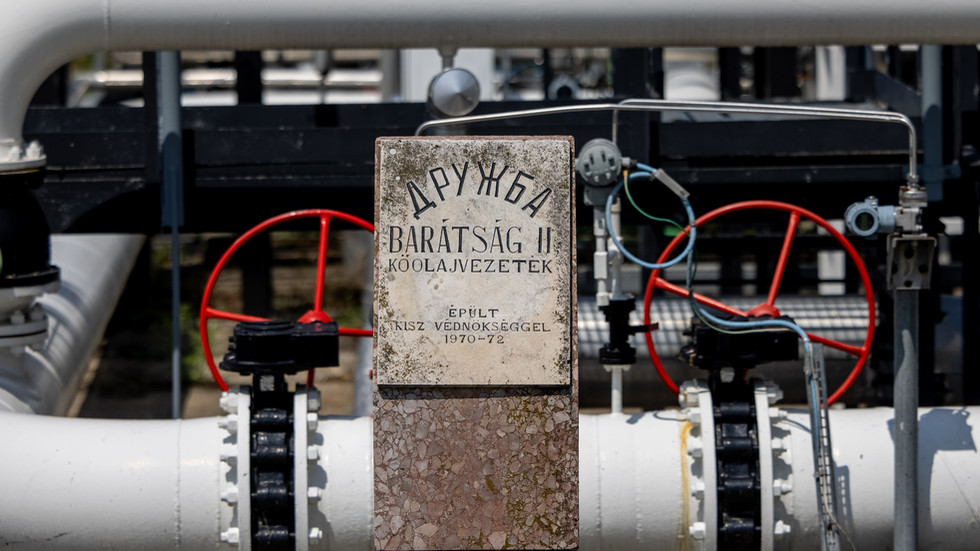
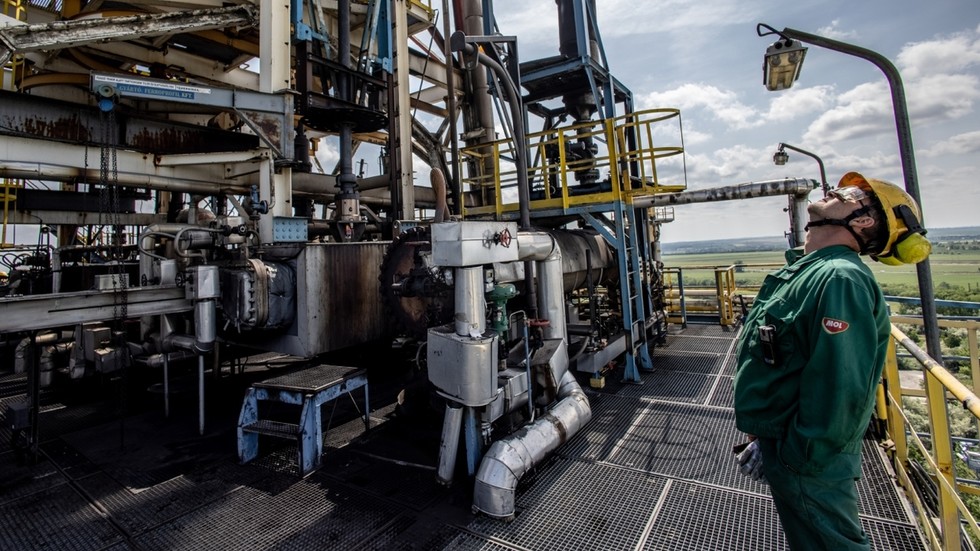
Ukraine halted the transit of Russian oil through the Druzhba pipeline to Hungary and Slovakia in early February, citing damage on the Ukrainian section of the line. Both government- and opposition-aligned coverage concur that the stoppage triggered an oil shortage crisis in Slovakia, prompting a formal state of emergency and a move to tap strategic reserves, while Hungary and Slovakia scrambled to secure alternative supplies, including via Croatia’s Adria pipeline. They also agree that Budapest and Bratislava responded with explicit retaliatory steps or threats: Hungary and, to a lesser extent, Slovakia halted or threatened to halt diesel, electricity, or natural gas deliveries to Ukraine, and both governments linked their continued energy support and broader cooperation to the resumption of Druzhba flows. All sources note that Hungary has moved to block a large EU financial package or loan for Ukraine and to oppose additional EU sanctions on Russia until the pipeline is restored, and that EU institutions have formally asked Kyiv for clarity and repairs, underscoring the dispute’s impact on the wider European energy and sanctions framework.
Across outlets, there is shared acknowledgment that the Druzhba corridor is a critical artery for Russian crude to landlocked Central European states, that the halt came amid the ongoing Russia–Ukraine war and EU sanctions, and that Ukraine is under severe military and economic strain even as it remains a transit country for Russian energy. Both sides describe how the episode intersects with EU–Ukraine association commitments and broader debates over Kyiv’s EU membership prospects and war financing, as well as with domestic politics in Hungary and Slovakia, where governments must manage energy security, inflation, and public discontent. The coverage agrees that the European Commission is trying to balance member states’ energy concerns with its support for Ukraine, that Croatia’s capacity via the Adria route offers only a partial buffer, and that any prolonged interruption through Druzhba raises questions about the resilience of EU energy diversification plans and the durability of mutual obligations among Ukraine and its Central European partners.
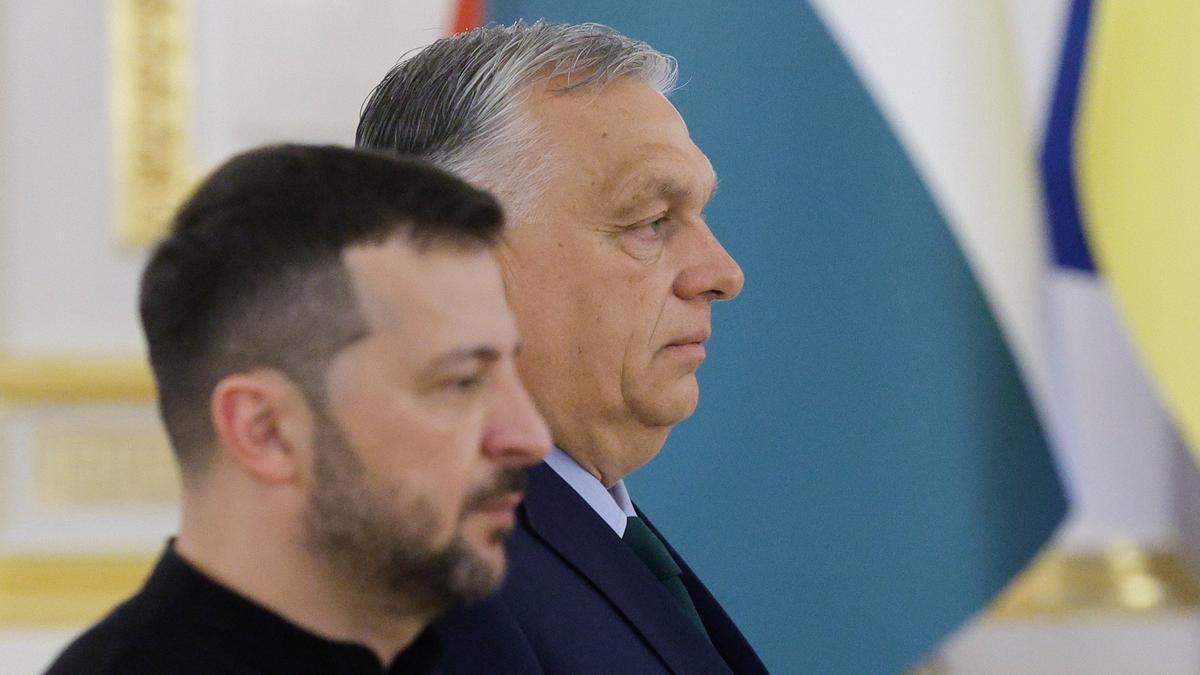
Responsibility and blame. Government-aligned outlets frame Ukraine as the primary culprit, accusing Kyiv of deliberate political blackmail, bad faith toward EU partners, and even attempting to engineer an energy crisis in Hungary and Slovakia. They emphasize claims that the Druzhba infrastructure is already technically fit for operation and that any continued halt is a political decision by Ukrainian leaders. Opposition-aligned sources instead portray Viktor Orban as instrumentalizing the disruption, arguing that his government is exploiting the pipeline halt to justify blocking a 90‑billion‑euro EU loan and to rally voters with anti‑Ukrainian rhetoric ahead of difficult elections.
Motives behind policy decisions. Government coverage presents Hungary’s and Slovakia’s retaliatory measures—halting diesel or electricity supplies, vetoing sanctions packages, and blocking EU financial aid—as legitimate self‑defense to protect national energy security and force Kyiv to honor contractual and EU association obligations. It casts Ukraine’s suspension as a politically motivated lever to extract concessions on EU membership and funding. Opposition coverage, by contrast, stresses domestic political calculations in Budapest, suggesting that Orban’s tough stance is aimed at diverting attention from internal weaknesses, leveraging Brussels as a foil, and appealing to skeptical voters rather than purely safeguarding supplies.
Characterization of Ukraine and the EU. Government-aligned media depict Ukraine as an unreliable partner that shows ingratitude despite substantial Hungarian and Slovak support in energy and other fields, and they often criticize Brussels as complicit in pressuring Hungary. They highlight accusations that Kyiv, with EU backing and even the Hungarian opposition’s help, is trying to interfere in Hungary’s internal affairs. Opposition-aligned sources describe Ukraine more as a pressured wartime state caught between battlefield realities and transit obligations, and they frame the EU primarily as attempting to maintain financial and political support for Kyiv while mitigating Orban’s obstruction.
Scale and nature of the crisis. Government coverage underscores the severity of the disruption, amplifying declarations of states of emergency and crisis measures to argue that Ukraine’s actions pose an existential threat to energy stability in Central Europe. It suggests that halting energy exports to Ukraine or blocking sanctions is a proportionate and necessary response to avert deeper shortages. Opposition coverage acknowledges the disruption but tends to frame it as a manageable supply shock that Orban magnifies rhetorically, emphasizing that alternative routes and reserves exist and warning that his hard line risks isolating Hungary within the EU more than it protects consumers.
In summary, government coverage tends to cast Ukraine and, to a degree, EU institutions as the aggressors in an energy confrontation that forces Hungary and Slovakia into justified defensive retaliation, while opposition coverage tends to portray Orban’s government as leveraging a real but limited supply disruption into a political weapon against both Ukraine and Brussels for domestic electoral gain.