government
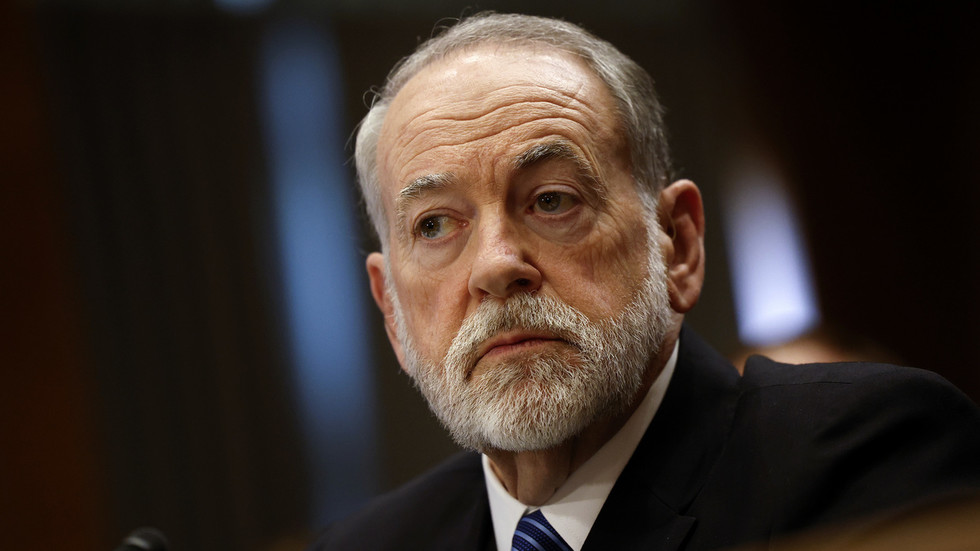
Muslim countries condemned US Ambassador to Israel Mike Huckabee over his remarks about “biblical rights”
Muslim countries have condemned US Ambassador to Israel Mike Huckabee over his remarks about “Biblical rights”
3 months ago
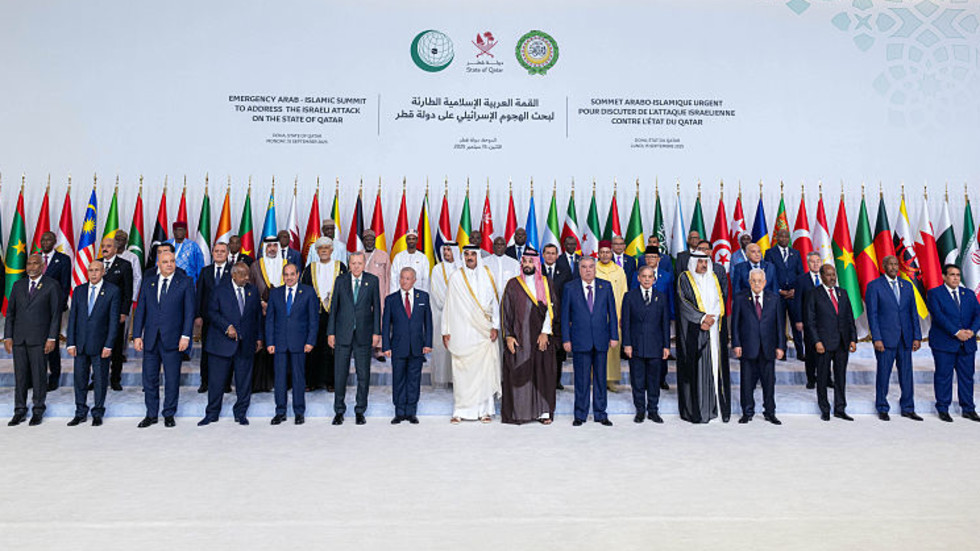
Muslim and Arab-majority governments, regional organizations, and international media broadly report that US Ambassador to Israel Mike Huckabee, in an interview with Tucker Carlson, asserted that Israel’s right to a homeland is derived from the Bible and that biblical territory extends from the Nile to the Euphrates. When Carlson referenced the Book of Genesis describing this expanse, Huckabee replied that it would be fine if Israel "took it all," even while adding that such maximal territorial expansion was not presently under discussion. These remarks prompted swift and coordinated condemnation from Arab and Muslim-majority states, as well as from multilateral institutions such as the Arab League and the Organization of Islamic Cooperation, which described his comments as extremist, irresponsible, and contrary to international law and diplomatic norms.
Across coverage, there is agreement that the controversy centers on the clash between a religiously framed claim to territory and the established framework of modern international relations grounded in state sovereignty, borders, and UN resolutions. Reports consistently situate Huckabee’s remarks in the broader context of the Israeli–Palestinian conflict, the historical role of Zionism, and the importance of internationally recognized borders in the Middle East. Both sides highlight that regional institutions like the Arab League and the OIC see the statements as potentially destabilizing in an already volatile region, stressing risks to international peace and security and to ongoing diplomatic efforts. There is also shared acknowledgment that the uproar reflects long-standing tensions over the use of religious texts to justify territorial claims in a complex, multi-ethnic, and multi-faith region.
Legitimacy of biblical claims. Government-aligned sources tend to present Huckabee’s remarks as a principled expression of a Zionist belief that the Jewish people have a divinely grounded right to a homeland in Israel, sometimes framing biblical references as part of a long-standing narrative that underpins Israel’s national identity. Opposition-leaning accounts, by contrast, treat biblical claims to land as inherently incompatible with modern international law and as a pretext for expansionism. Government narratives may stress that Huckabee acknowledged such maximal territory is not "what’s on the table" politically, while opposition coverage emphasizes the symbolic and ideological impact of saying it would be acceptable to "take it all".
Diplomatic norms and consequences. Government outlets are more likely to downplay the diplomatic fallout, treating the condemnations from the Arab League and OIC as predictable political reactions that do not fundamentally alter US–regional relationships. Opposition sources, however, underscore these condemnations as evidence of serious diplomatic damage, warning that such remarks erode trust, undermine US credibility as a mediator, and increase the risk of regional polarization. While government coverage may highlight freedom of expression and ideological candor by a senior envoy, opposition coverage frames the statements as a breach of diplomatic responsibility with potential long-term repercussions for regional stability.
Framing of security and stability. Government-aligned reporting often suggests that affirming Israel’s historical or biblical rights ultimately supports regional security by reinforcing a key US ally’s legitimacy and deterrent posture. Opposition coverage, in contrast, argues that invoking expansive biblical borders exacerbates fears of territorial encroachment among Arab and Muslim states, thereby fueling instability, radicalization, and possible escalation. Government narratives may stress Israel’s security needs and the defensive nature of its posture, while opposition narratives focus on how such rhetoric undermines prospects for a negotiated settlement and respect for existing borders.
Role of international law and institutions. Government outlets might reference international frameworks selectively, emphasizing Israel’s right to exist and broad US support while treating biblical language as a cultural or moral justification rather than a binding legal claim. Opposition coverage places international law and UN resolutions at the center of the story, arguing that Huckabee’s remarks directly contradict established norms on sovereignty, occupation, and non-acquisition of territory by force. Where government narratives can portray the Arab League and OIC responses as politically motivated or overstated, opposition narratives depict these institutions as rightful guardians of a rules-based order challenging what they see as neo-colonial or theocratic territorial claims.
In summary, government coverage tends to normalize Huckabee’s biblical framing as an expression of longstanding pro-Israel convictions with limited practical implications, while opposition coverage tends to portray it as a dangerous, norm-breaking endorsement of religiously justified expansion that threatens international law and regional stability.