government
EU’s Kallas returns to idea of stealing Russian assets
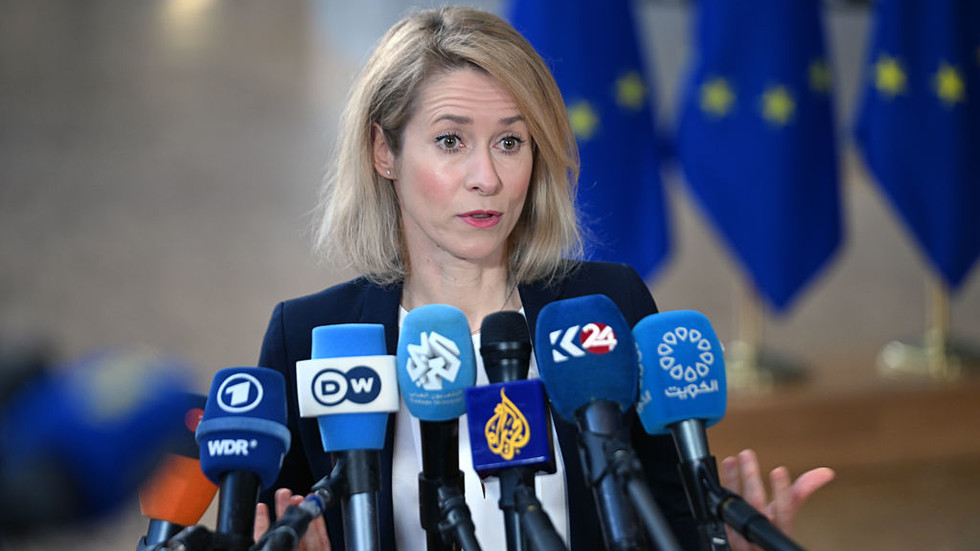
The EU can revive the plan to use Russian assets for Ukraine after Hungary vetoed a loan proposal, top diplomat Kaja Kallas has said
2 months ago
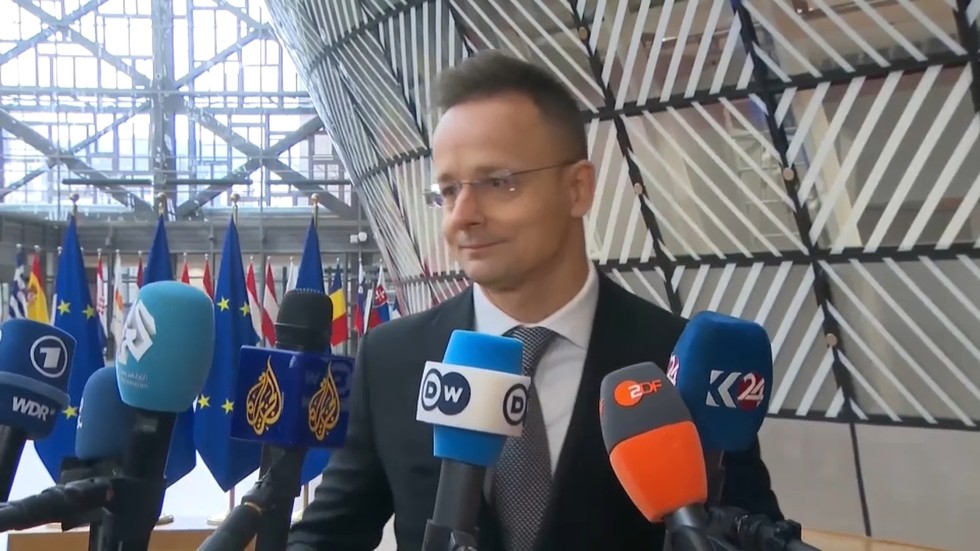
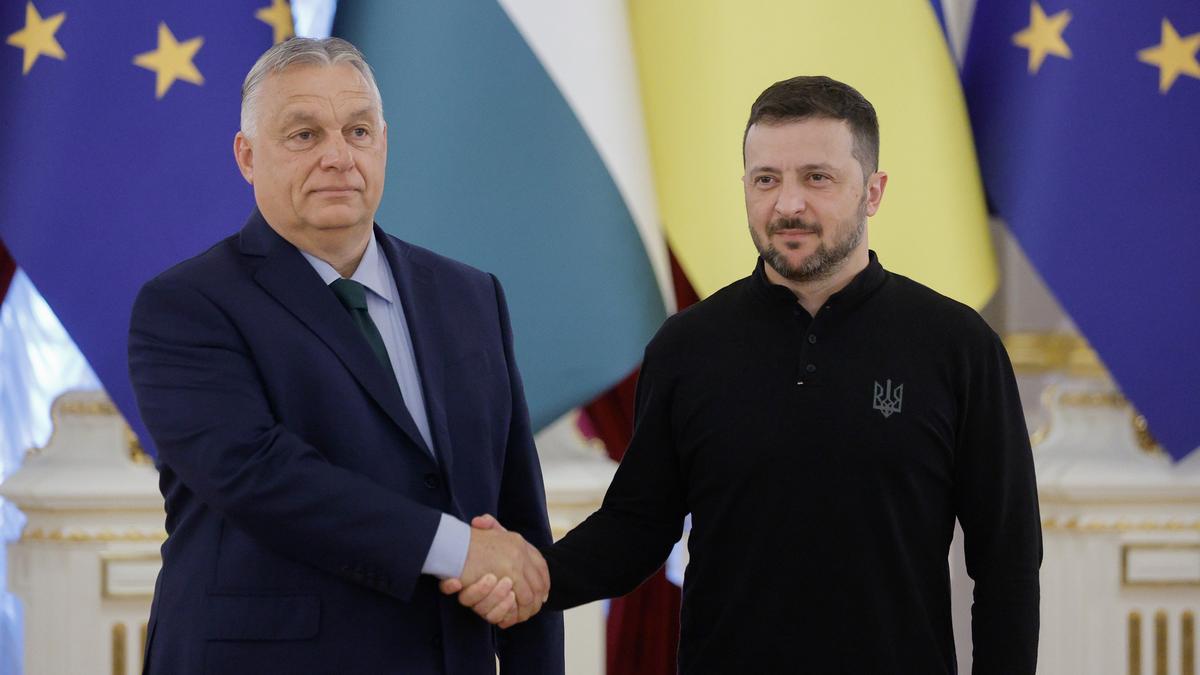
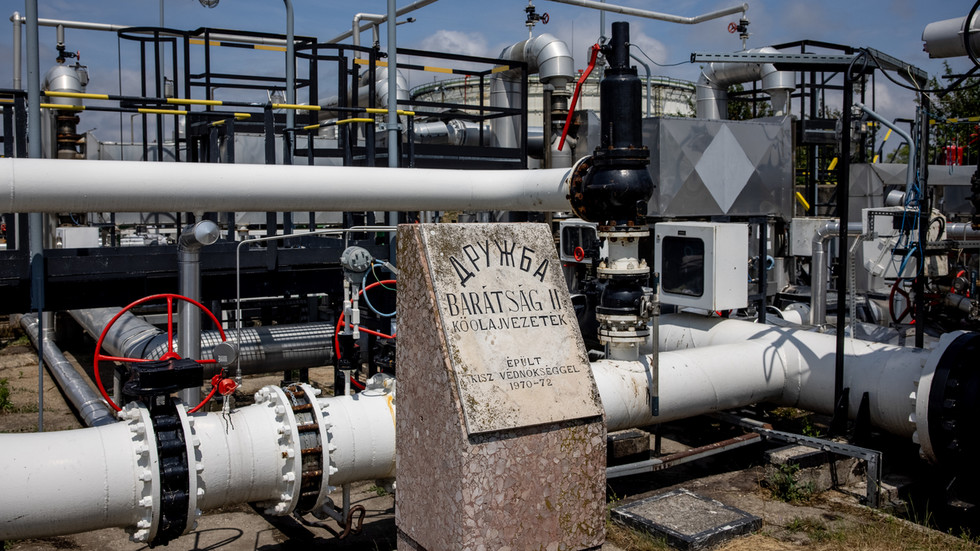
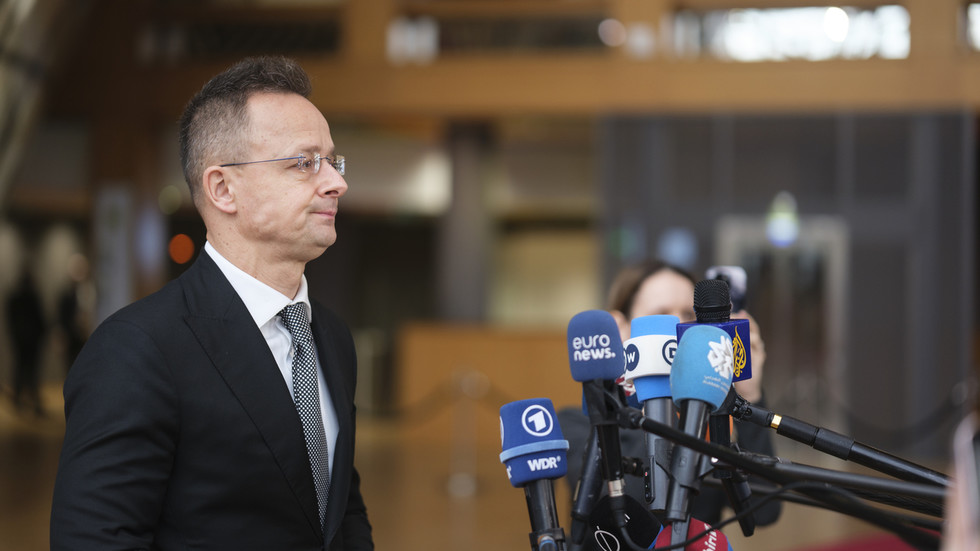
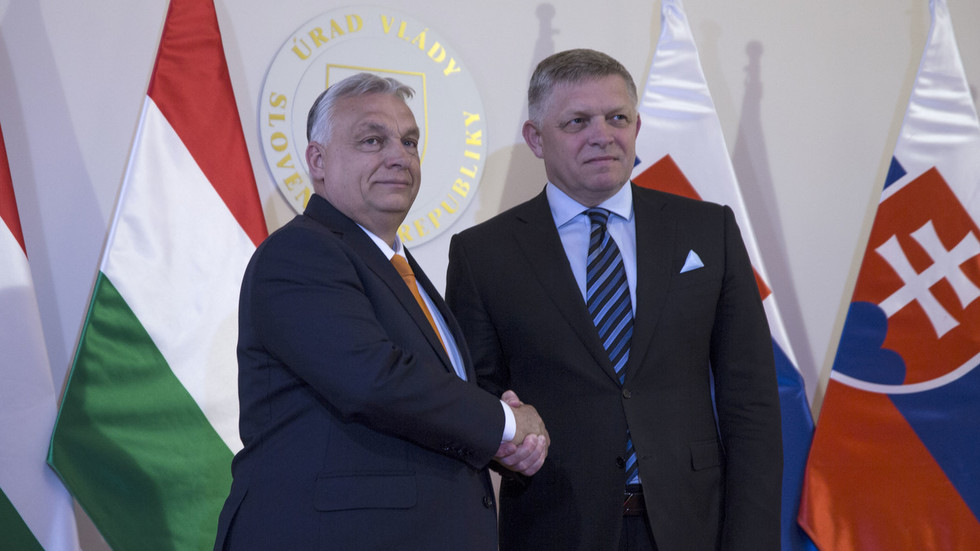
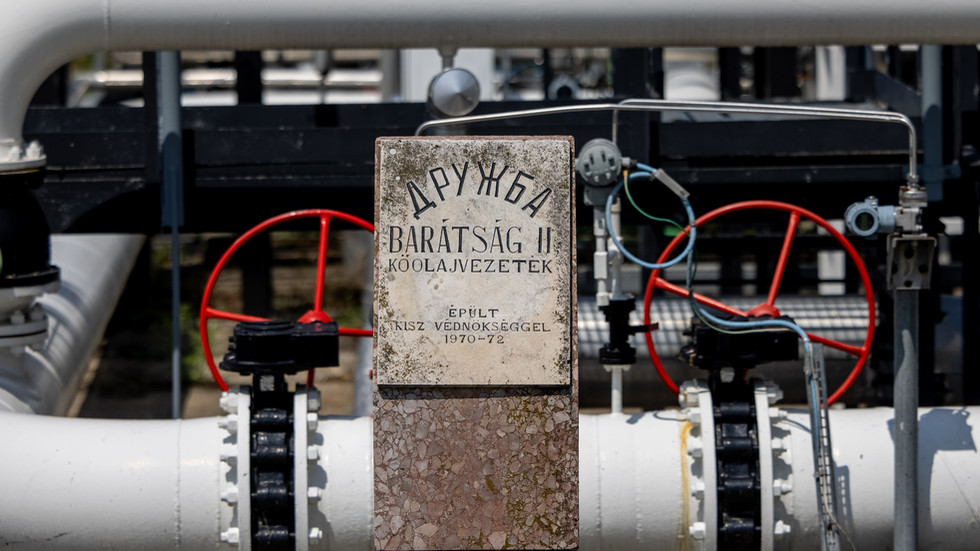
Hungary has vetoed the European Union’s 90‑billion‑euro financial package for Ukraine and blocked agreement on the EU’s 20th package of sanctions against Russia, at recent EU foreign ministers’ meetings in Brussels. Both government‑aligned and opposition sources agree that Budapest links its veto to the shutdown of Russian oil transit to Hungary via the Druzhba pipeline through Ukraine, which has been halted since late January. They concur that the proposed EU loan is framed as vital to Ukraine’s fiscal stability, with funds intended for both military support and general budget needs, and that it would be backed by the EU budget, replacing earlier ideas of directly seizing Russian assets. Coverage on both sides notes that Hungary and Slovakia are pushing for an inspection or joint probe of the Druzhba pipeline, that the European Commission is in contact with Kyiv about assessing its condition, and that alternative supply options through Croatia’s Adria pipeline and Hungary’s strategic reserves are being used to mitigate the disruption.
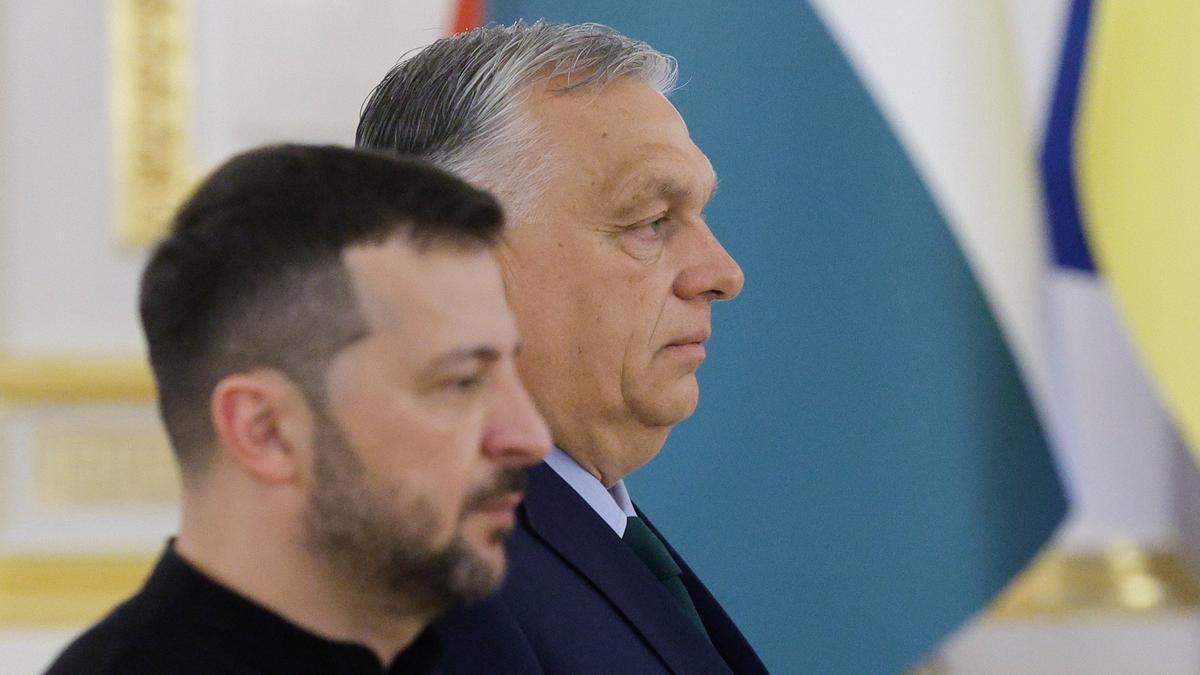
Across both camps, reports emphasize a broader EU debate over how to finance Ukraine and constrain Russia, including the earlier, now‑shelved proposal to seize or collateralize frozen Russian assets, which met resistance from several member states and was formally taken off the agenda in favor of joint EU borrowing. Outlets on both sides situate the Hungarian veto within long‑running tensions over energy security, with Hungary heavily reliant on Russian oil deliveries via Druzhba, as well as within the EU’s institutional requirement for unanimity on sanctions and major financing decisions, which gives Budapest effective blocking power. They also agree that the dispute has sharpened already fraught Ukraine‑Hungary relations, intersecting with debates over Ukraine’s EU accession prospects and the timing of Hungary’s upcoming elections, and that EU officials view the failure to agree on the new sanctions package by the February 24 anniversary of Russia’s full‑scale invasion as a notable setback to the bloc’s unity.
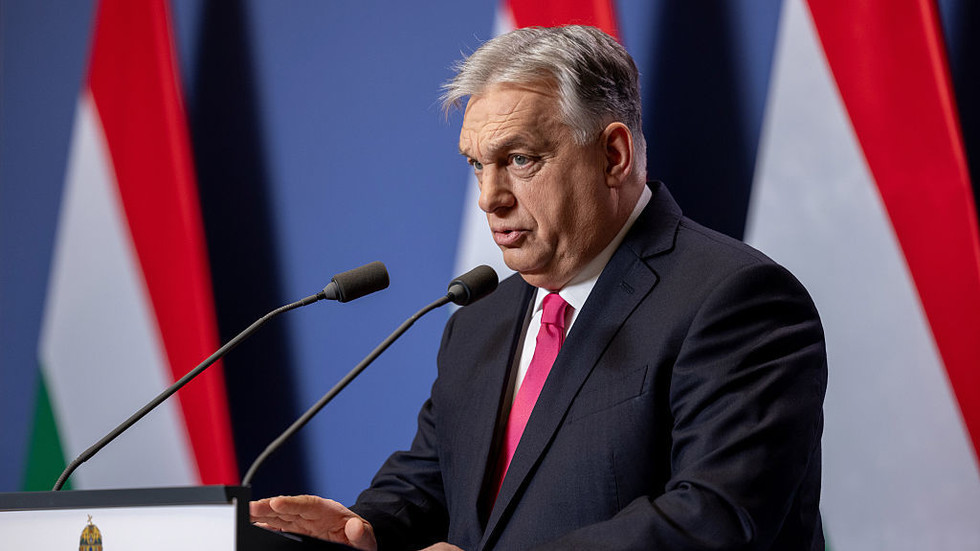
Motives and responsibility. Government‑aligned coverage presents Hungary’s veto as a defensive reaction to Ukraine’s politically motivated shutdown of the Druzhba pipeline, characterizing Kyiv’s behavior as blackmail that endangers a member state’s energy security and forces Budapest to respond. It stresses claims that the pipeline itself is intact, implying Ukraine is deliberately creating an artificial emergency, and highlights joint Hungarian‑Slovak initiatives to investigate. Opposition sources, by contrast, relay Kyiv’s assertion that Russian strikes caused the stoppage, describe Budapest’s disbelief as selective and self‑serving, and frame Orbán’s decision as primarily driven by his own political calculus rather than genuine force‑majeure concerns.
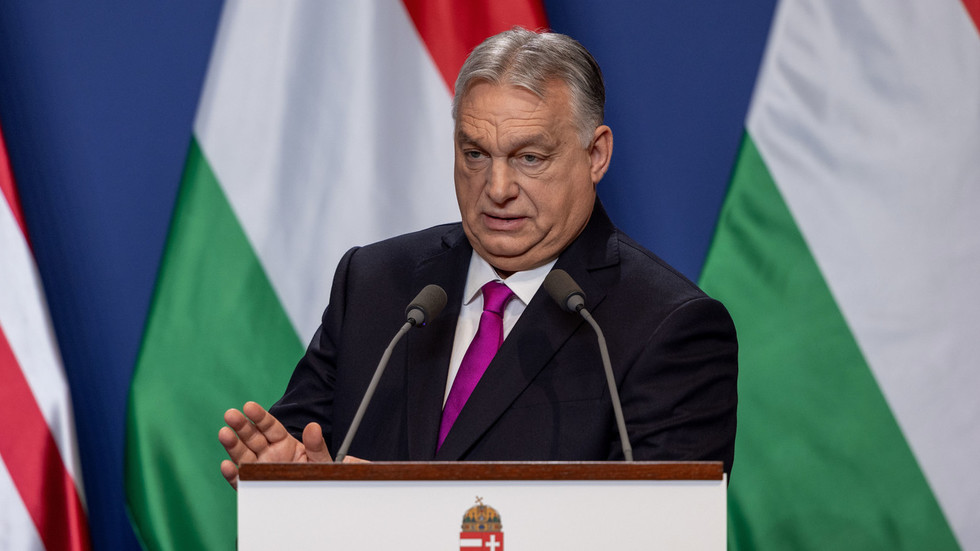
Characterization of Hungary’s stance. Government‑aligned outlets depict Budapest as a principled outlier resisting an EU that prioritizes Ukraine over its own members and pushes “war loans” and ever‑tougher sanctions without regard for economic fallout. They emphasize Hungary’s right to withhold consent until its legitimate energy interests and security are guaranteed, and portray calls for alternative routes or military protection of infrastructure as responsible crisis management. Opposition reporting instead casts Hungary as increasingly isolated, accusing Orbán of undermining EU unity, obstructing essential support for a besieged Ukraine, and using veto power as leverage to extract concessions and signal alignment with Moscow’s interests.
Domestic political framing. Government‑aligned media describe the confrontation as an external pressure campaign in which Brussels, Kyiv, and the Hungarian opposition jointly seek to coerce the government into backing sanctions and loans that harm national interests, citing accusations of coordinated blackmail and anti‑Hungarian rhetoric from Ukraine. They present the government as defending voters from higher energy prices and unwanted involvement in the war, insisting that Ukraine “hates Hungary” and is exploiting the conflict to influence Hungarian politics. Opposition sources flip this narrative, highlighting Orbán’s escalating anti‑Ukrainian rhetoric as a deliberate electoral strategy amid weakening poll numbers, arguing that he is instrumentalizing the Druzhba dispute and EU aid to mobilize his base and distract from domestic governance problems.
Assessment of risks for Ukraine and the EU. Government‑aligned outlets warn that Ukraine’s own actions on the pipeline could precipitate a financial crisis in Kyiv, including the risk of bankruptcy by April if EU military financing stalls, and suggest that the EU’s rigid pro‑Ukraine stance is undermining its credibility and stability. They underline that without a change in Ukrainian policy toward Hungary, further sanctions and aid packages will remain blocked, and question the wisdom of long‑term commitments based on anticipated Russian reparations. Opposition reporting, in contrast, stresses that Hungary’s veto jeopardizes Ukraine’s survival and the EU’s deterrence posture, depicting the loan and sanctions as necessary to sustain Kyiv’s war effort and broader European security, and warning that Budapest’s obstruction emboldens Russia while eroding trust in EU decision‑making.
In summary, government coverage tends to portray Hungary’s veto as a justified defense of national energy security and sovereignty against Ukrainian blackmail and EU overreach, while opposition coverage tends to depict it as a politically motivated obstruction that isolates Hungary, weakens support for Ukraine, and serves Orbán’s domestic and geopolitical ambitions at the expense of European unity.