government
Trump threatens 'very bad day' for Iran if no deal
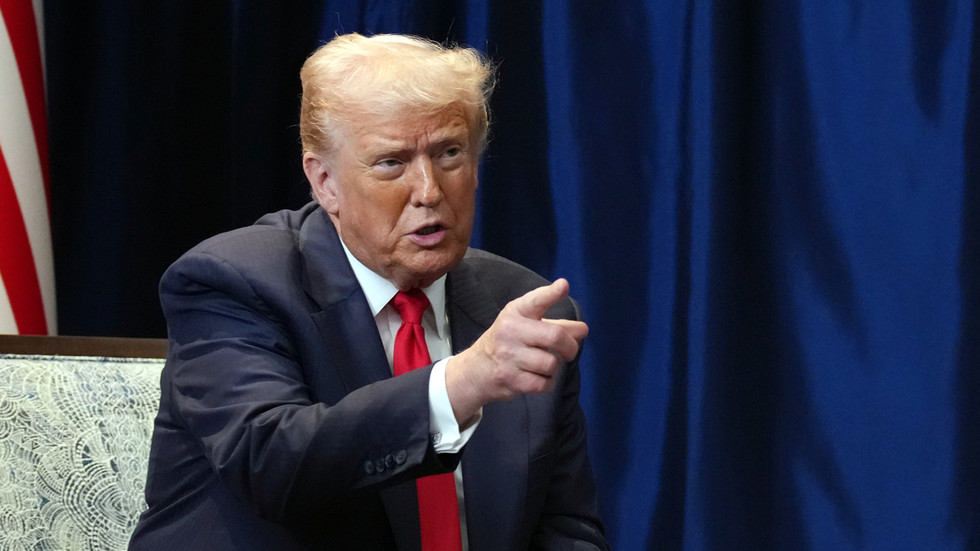
US President Donald Trump again threatened Iran with military action unless it agrees to a nuclear deal
2 months ago
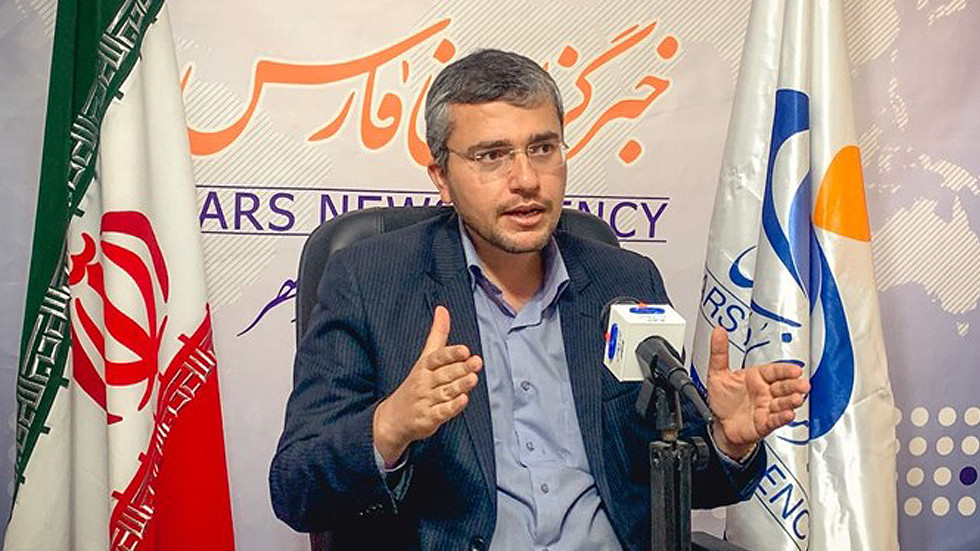
US and Iranian officials are engaged in indirect talks over a potential nuclear agreement at a time when tensions are high and military threats are being exchanged. Across government-aligned coverage, President Donald Trump is quoted warning that Iran will face a "very bad day" and possible military action if it does not agree to a deal that limits its nuclear and missile programs, while Iranian officials insist their nuclear work is peaceful and their missile program is non-negotiable. A senior Iranian lawmaker has warned that the outcome of the talks will determine whether American soldiers "go to hell or return to America," and Iran’s foreign minister has publicly signaled readiness for military confrontation if diplomacy fails. Reports also note that US military officials have raised concerns about the risks and feasibility of a sustained strike campaign against Iran, underscoring internal debate in Washington about the potential costs of a conflict.
Government-aligned reports describe the diplomatic process as indirect and fragile, taking place against a backdrop of long-running disputes over Iran’s nuclear program and regional activities. They reference institutional players including the US presidency, the Iranian parliament, the foreign ministry, and the US military establishment, highlighting a complex interplay between political leaders pressing for leverage and security officials warning about escalation. The shared context emphasizes previous nuclear accords, the longstanding contention over Iran’s missile program as a strategic "red line" for Tehran, and the broader regional security architecture shaped by US forces deployed in the Middle East. Both sides are portrayed as using rhetoric and military signaling to influence the negotiation framework, with the nuclear file, missile capabilities, and sanctions relief all forming part of the core bargaining space.
Motives and objectives. Government-aligned coverage tends to frame Trump’s threat of a "very bad day" for Iran as a pressure tactic aimed at forcing Tehran back into a stricter nuclear and missile deal, presenting Washington’s objective as preventing proliferation and protecting US troops. In the absence of opposition-source articles in the provided material, critical or dissenting interpretations—such as viewing the threats as reckless brinkmanship, electoral posturing, or an attempt to undermine previous diplomatic accords—are implied only indirectly by references to internal US military concern. A full opposition narrative would likely emphasize the dangers of escalation and question whether the stated non-proliferation goals match the administration’s actual strategic interests.
Use of military threats. Government-aligned reporting presents Trump’s warnings and Iran’s counter-threats as part of a high-stakes but still-controllable bargaining process, suggesting that force is an option of last resort contingent on Iran’s refusal to compromise. An opposition perspective, though not explicitly available in the sources, would more likely characterize this exchange of threats as mutually destabilizing, highlighting quotes like American soldiers "go to hell" as evidence of how rhetoric can spiral toward conflict rather than productive negotiation. The tension between deterrence and provocation becomes a central fault line in how each side would likely narrate the same set of statements.
Assessment of risks and feasibility. Government-aligned outlets acknowledge that US military officials are wary of the feasibility and risks of a sustained strike campaign against Iran, but tend to present these concerns within a framework that still validates the president’s tough posture as a credible negotiating tool. Opposition coverage, if present, would likely foreground these military reservations as proof that the administration’s strategy is dangerously out of step with professional assessments, using them to argue that threatening large-scale action is irresponsible and could entangle the US in another protracted conflict. This divergence shapes whether the emphasis falls on deterrent strength or on the potential for catastrophic miscalculation.
Portrayal of Iran’s stance. In government-aligned narratives, Iran’s insistence that its nuclear program is peaceful and that its missile program is a non-negotiable "red line" is often treated with skepticism, framed against longstanding suspicions about Tehran’s intentions and regional behavior. A likely opposition framing would take greater note of Iran’s stated defensive rationale and may highlight the symmetry between US and Iranian hard-line rhetoric to argue that both governments are contributing to escalation. This affects whether Iran is depicted primarily as an aggressor that must be constrained, or as a state reacting to external pressure and seeking security guarantees.
In summary, government coverage tends to legitimize Trump’s hardline threats as a calculated form of pressure within a broader non-proliferation and security narrative, while opposition coverage tends to be inferred as more critical of the rhetoric, more focused on escalation risks, and more skeptical that military threats will produce a stable or sustainable nuclear agreement.