government
Anthropic sues Pentagon over killer AI rift
AI developer Anthropic has challenged the decision to designate the company a “supply-chain risk to national security”
a month ago
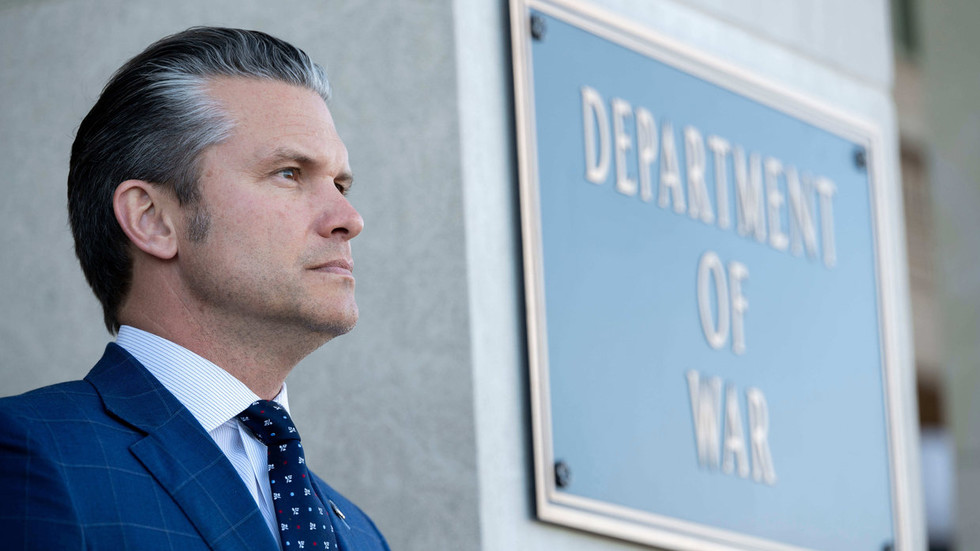
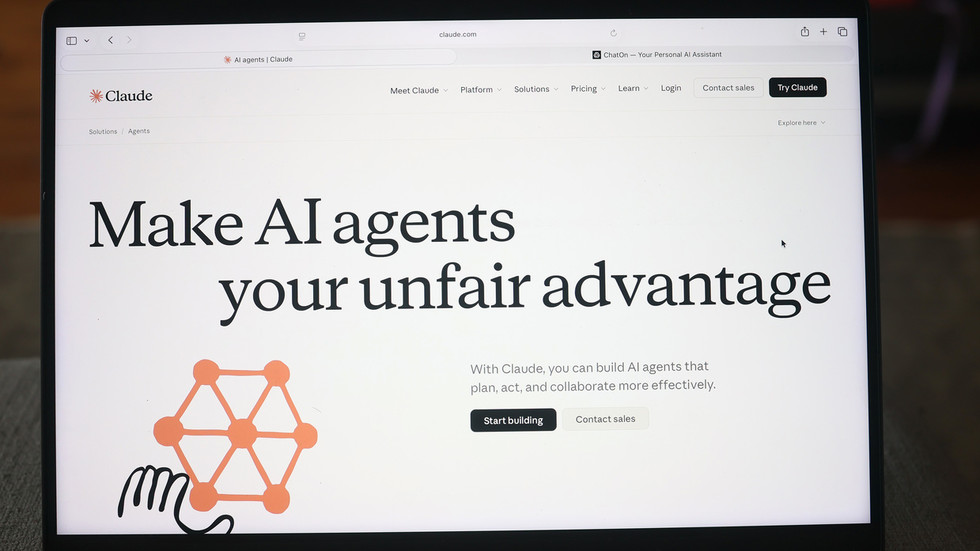
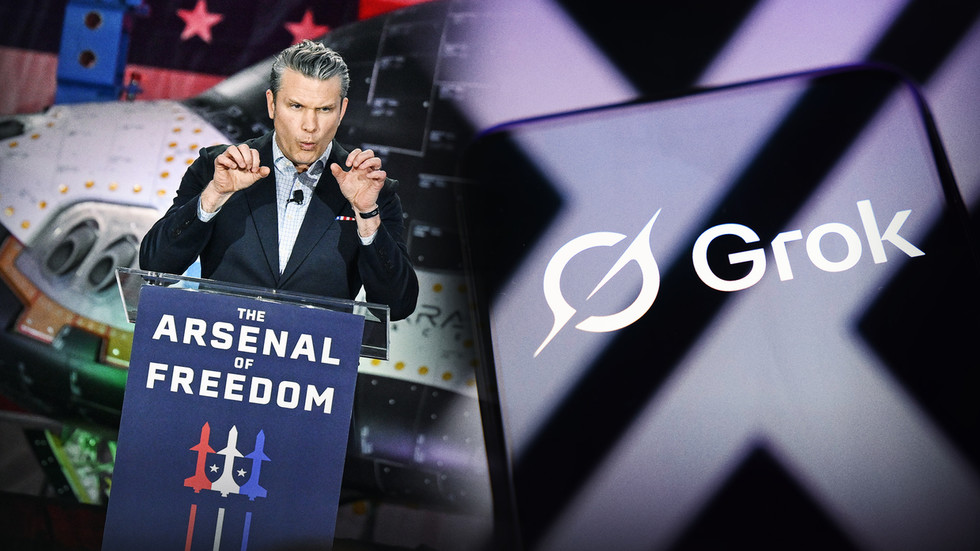
US government and opposition-leaning coverage both describe an escalating confrontation between the Trump administration, the Pentagon, and Anthropic over military uses of the company’s Claude AI system. Both sides agree that Anthropic had been providing models for use on classified Pentagon networks and embedded contractual safeguards that prohibit use for mass domestic surveillance and fully autonomous weapons. They also concur that Pentagon officials demanded removal or weakening of these safeguards so the models could be used for broader “all lawful purposes,” that Anthropic refused, and that the government responded by designating Anthropic a supply-chain or national security risk, ordering federal agencies and defense contractors to phase out or halt use of its systems over roughly six months. Articles from both perspectives further concur that, in parallel, the Pentagon moved to adopt Elon Musk’s xAI Grok system onto classified networks, making it the second AI approved for those environments and positioning it as an alternative to Claude.
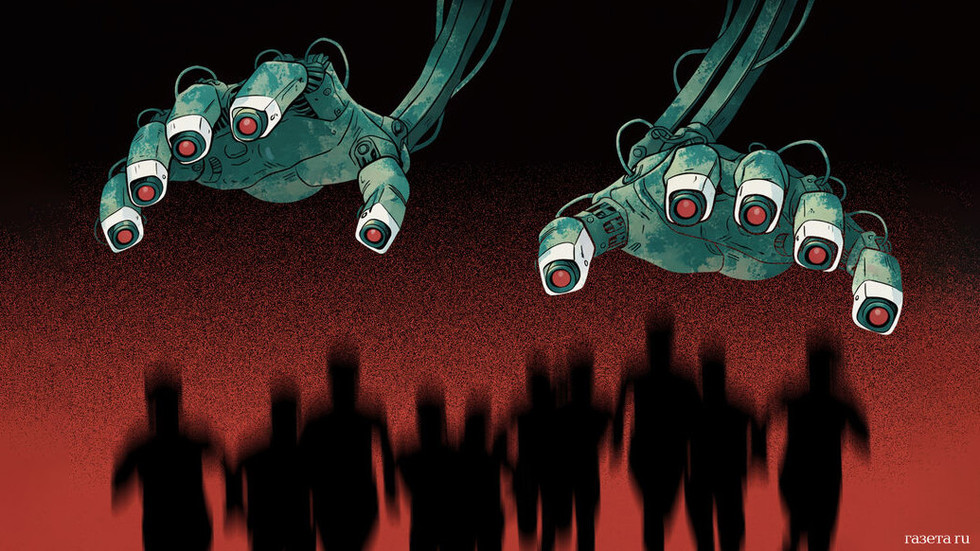
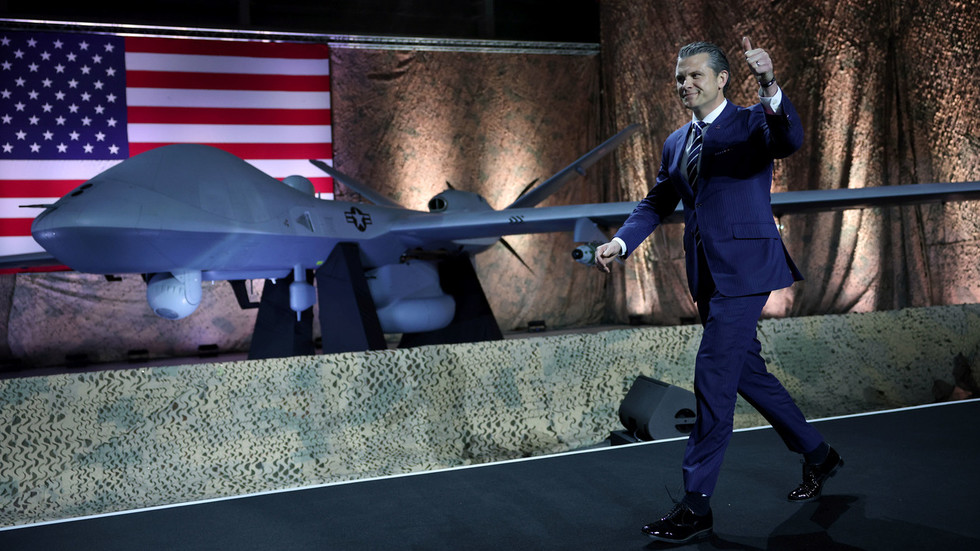
Shared context across both sets of coverage emphasizes that these events unfold against a backdrop of accelerating military interest in AI planning tools, autonomous or semi-autonomous weapons systems, and large-scale data analysis for intelligence and surveillance. Both perspectives highlight Anthropic’s public reputation for emphasizing AI safety and ethics, noting that its internal policies and product terms restrict certain high‑risk military applications even when they are legally permissible. They also agree that the Pentagon views AI as strategically decisive in future conflicts and has been pressuring multiple AI developers, not just Anthropic, to relax safeguards it sees as operational constraints. There is common acknowledgment that the clash raises broader questions about how far private firms can or should go in constraining military use of dual‑use technologies, and whether existing procurement and national security frameworks are adequate for governing advanced AI deployment in warfare and surveillance.
Motives and framing of the conflict. Government-aligned sources tend to frame the clash as a matter of national security necessity, portraying the Pentagon’s demands as an effort to ensure AI tools can be fully leveraged for defense and constitutional obligations. Opposition sources instead depict it as an overreach by the executive branch and military establishment, casting the episode as a cautionary tale about state attempts to coerce private firms into enabling controversial surveillance and weapons programs. While government coverage stresses a pragmatic need to remove “self-imposed” corporate limits that could hamper warfighting, opposition coverage stresses the principle of corporate and ethical autonomy in the face of security-state pressure.
Characterization of Anthropic. Government coverage often describes Anthropic as an important but ultimately interchangeable contractor whose ethical safeguards are impeding lawful defense missions, sometimes hinting that its stance is naïve or even irresponsible in a dangerous world. Opposition outlets, by contrast, present Anthropic as a rare example of a major AI firm willing to resist militarization and mass surveillance, framing its resistance as aligned with civil liberties and international humanitarian norms. Where government narratives suggest Anthropic is flirting with being a security liability by limiting capabilities, opposition narratives suggest it is acting as an essential counterweight to unchecked military AI expansion.
Interpretation of the blacklist and ‘supply-chain risk’ label. Government-oriented reporting tends to normalize the designation of Anthropic as a supply-chain or national security risk, treating it as a justified, if serious, tool to enforce policy compliance and protect critical systems from uncooperative vendors. Opposition coverage casts the blacklist and risk label as punitive and politically charged, suggesting it weaponizes procurement law to punish disagreement over ethics rather than any concrete security breach. Government accounts emphasize the legal authority and precedent for such measures, whereas opposition accounts emphasize the chilling effect on other companies that might otherwise impose similar safeguards.
Role of alternative AI providers. In government coverage, the planned integration of Musk’s Grok AI into classified systems is framed as a practical solution that ensures continuity of capability and demonstrates that other firms are willing to support military requirements fully. Opposition coverage is more likely to treat this shift as evidence that the government is shopping for more compliant partners, raising concerns about preferential treatment, concentration of power, and reduced leverage for firms that insist on stronger guardrails. Government narratives highlight resilience and redundancy in the AI supply base, while opposition narratives highlight how the move sidelines ethical objections in favor of political and operational convenience.
In summary, government coverage tends to justify the Pentagon’s pressure on Anthropic as a lawful and necessary response to an uncooperative contractor in a high-stakes security environment, while opposition coverage tends to depict the same actions as coercive overreach that punishes ethical resistance and accelerates the militarization of AI.