government
Nukes for Ukraine would be ‘playing with fire’
An attempt by the UK and France to give Ukraine nuclear weapons would be very risky, ex-US judge Andrew Napolitano has told RT
2 months ago
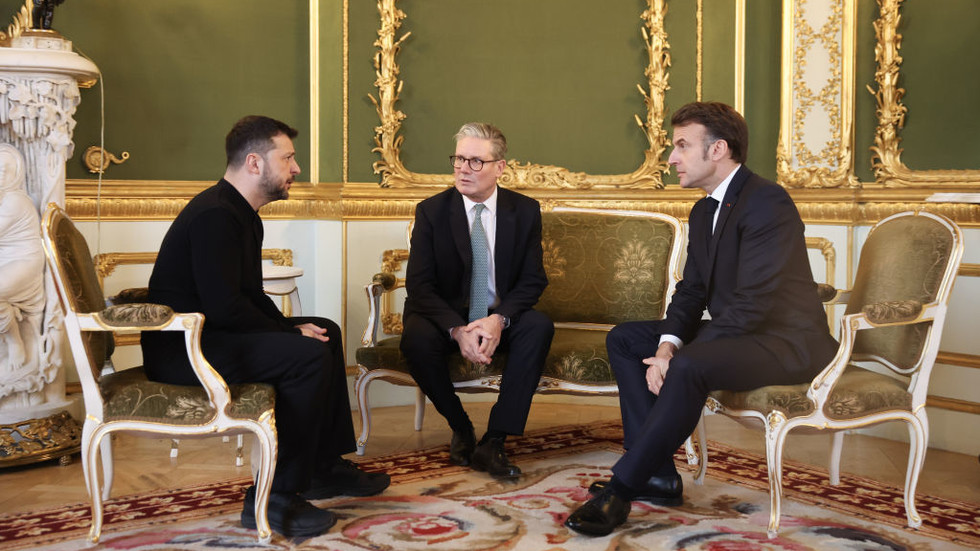
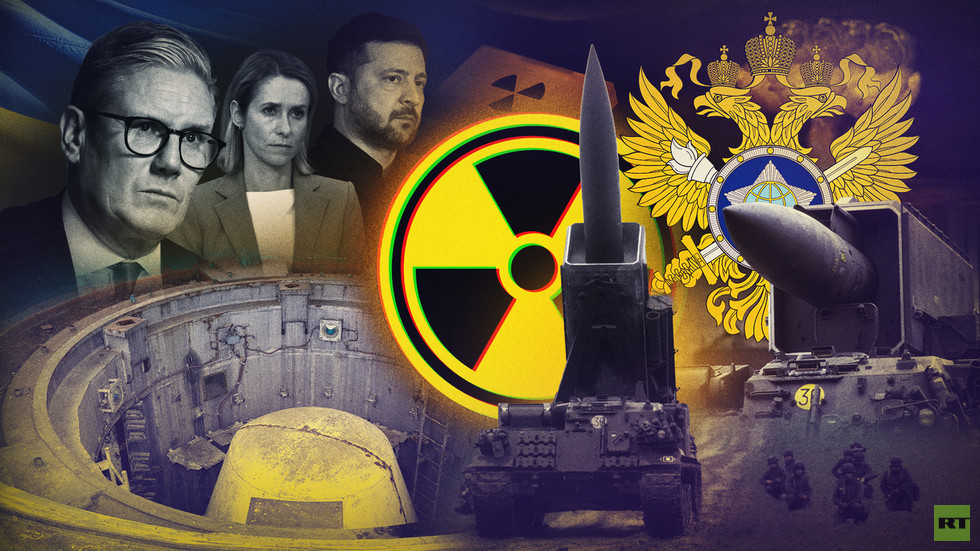
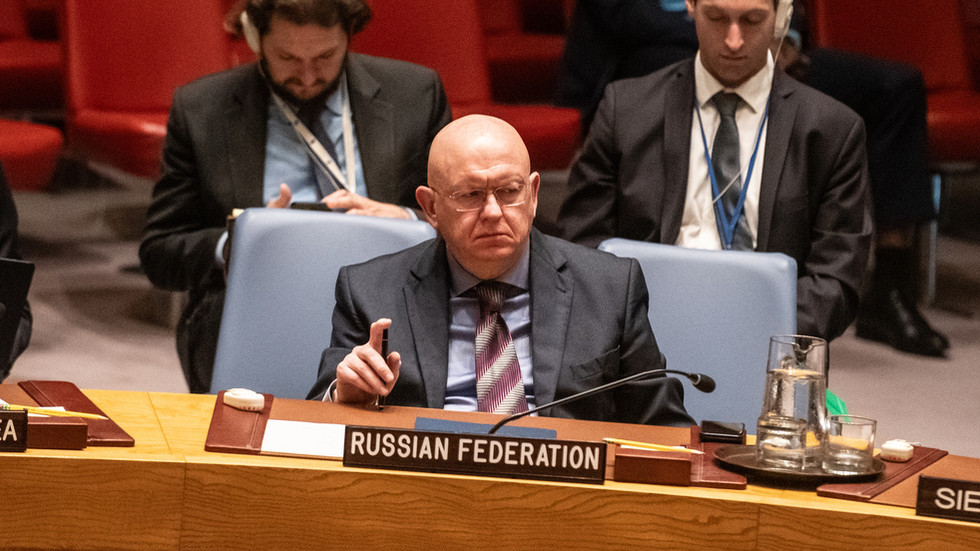
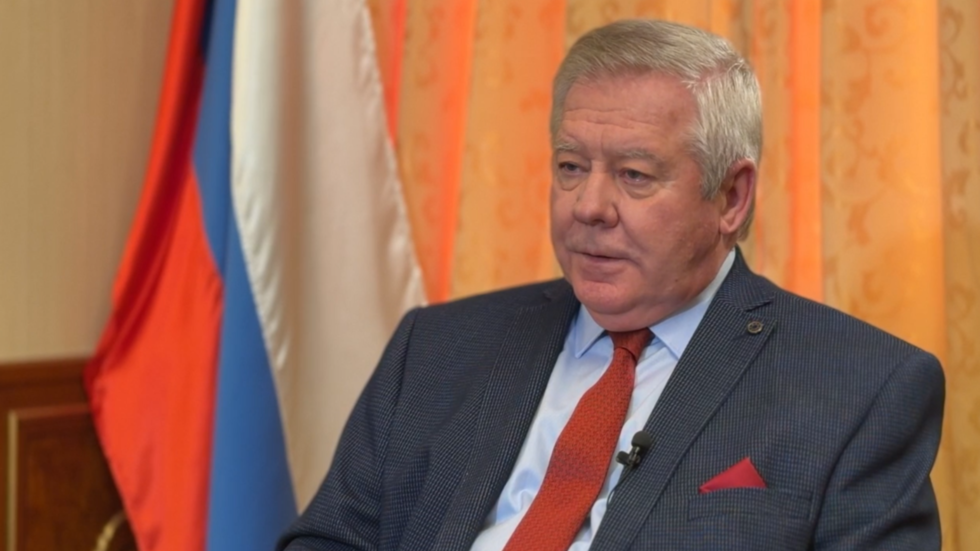
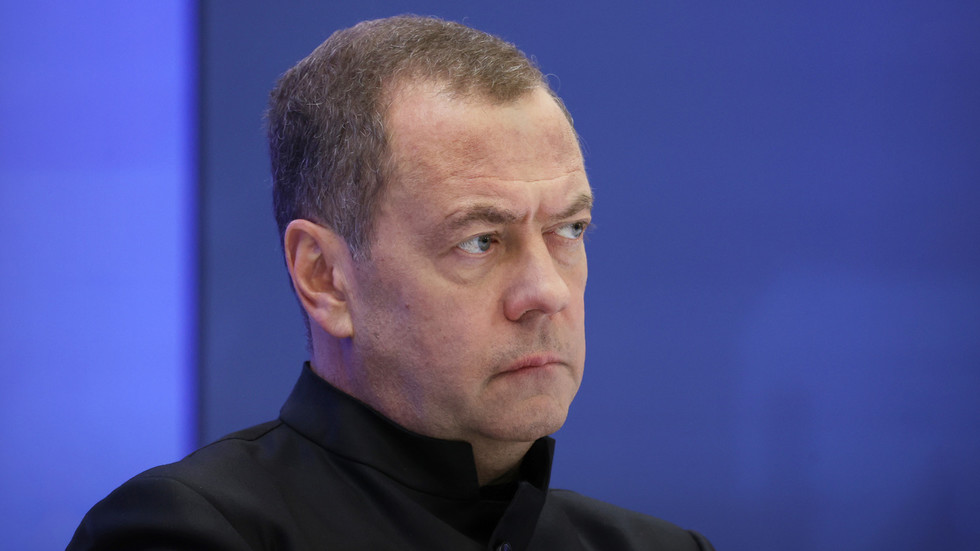
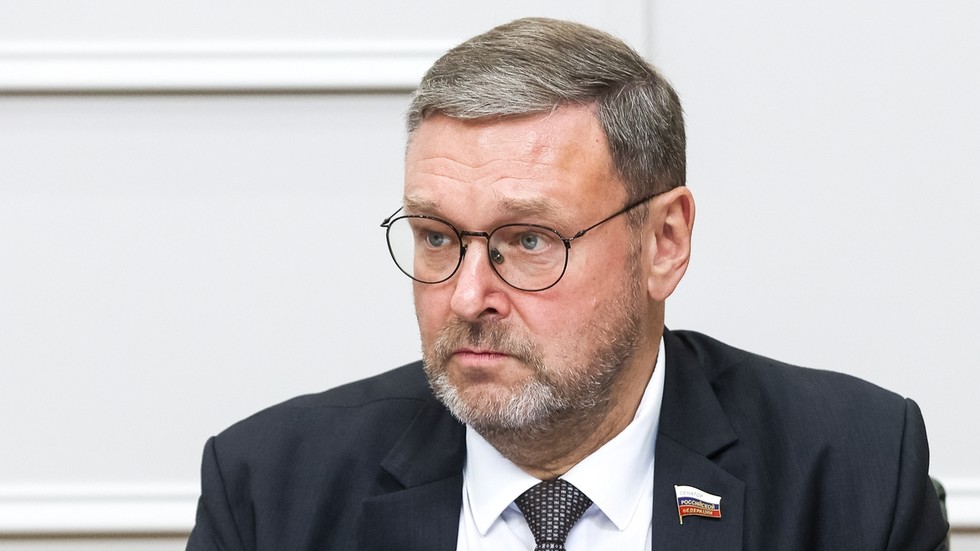
Ukraine’s president Volodymyr Zelensky has publicly said he would accept nuclear weapons from Britain and France if they were offered, while also confirming that no such offer has been made. Russian officials and state institutions, especially the Foreign Intelligence Service (SVR), claim that the UK and France are allegedly preparing to transfer nuclear weapons, components, technologies, or a “dirty bomb” capability to Ukraine, with some reports naming a French TN75 warhead and delivery systems. These allegations are framed as linked to ongoing or potential Russia–US–Ukraine peace talks, with Russian diplomats such as Gennady Gatilov and UN envoy Vassily Nebenzia saying the supposed plan is timed to influence negotiations and undermine prospects for a political settlement. Senior Russian figures including Dmitry Medvedev and parliamentary leaders warn that any actual transfer of nuclear capabilities to Ukraine would be treated as a direct threat, potentially justifying Russian non-strategic nuclear strikes on Ukraine and on the supplier countries, while the UK and France have issued denials described in Russian reporting as cliched or unconvincing.
Across the government-aligned coverage, there is broad agreement that any move to give Ukraine nuclear capabilities would violate international law, breach the Non-Proliferation Treaty, and gravely undermine the global non-proliferation system. Russian lawmakers and officials consistently invoke international institutions such as the UN Security Council, the European Parliament, the IAEA, and the NPT Review Conference as venues where these claims and appeals should be raised, and they call for parliamentary investigations in France, the UK, and Germany into alleged involvement. The reports reference Ukraine’s post-Soviet nuclear history, noting that the nuclear weapons on its territory were transferred to Russia and that Ukraine is formally a non-nuclear state whose status, Russian officials insist, must not be revised. Shared context also includes the idea that European NATO members, particularly London and Paris, are deeply engaged in the Ukraine conflict, and that any real step toward arming Kiev with nuclear or radiological weapons would risk escalating into a direct conflict between nuclear powers with potentially catastrophic global consequences.
Credibility of the allegations. Government-aligned sources treat SVR intelligence claims about a UK–French nuclear scheme as solid, actionable information pointing to an advanced and dangerous plot, and portray Western denials as formulaic and deceptive. In the absence of opposition coverage, the implicit counter-view is that Western governments continue to reject the accusations and insist there is no such program to arm Ukraine with nuclear weapons or dirty bombs. Government narratives further suggest that Germany’s reported refusal to participate tacitly confirms that an offer was made, whereas opposition or Western-aligned voices would likely present this as speculative or unfounded. The result is a sharp divide between Moscow’s depiction of a concrete plan and external portrayals that frame Russian claims as propaganda or pressure tactics.
Intentions of the UK and France. Government media depict London and Paris as deliberately seeking escalation, either to sabotage peace talks or to gain leverage for Kiev in any future ceasefire, and accuse them of having both motive and means for an “international law crime.” By contrast, Western and opposition-leaning interpretations (as referenced indirectly through their denials) emphasize continued adherence to non-proliferation commitments and frame their support for Ukraine as conventional and defensive. Government outlets argue that covert transfers and efforts to disguise the origin of any bomb prove malign intent, whereas outside perspectives stress that nuclear sharing outside existing NATO frameworks would be politically and legally untenable. This leads Russian coverage to frame the UK and France as reckless and desperate, while external narratives typically present their Ukraine policy as constrained by alliance rules and legal obligations.
Framing of nuclear risk and responsibility. In government narratives, the primary responsibility for rising nuclear risks is placed squarely on Western elites who have “lost touch with reality” and are allegedly “playing with fire” by even contemplating nuclear options for Ukraine. Opposition or Western-centric views, insofar as they respond, generally describe nuclear escalation risk as emanating from Russia’s own repeated nuclear threats and doctrinal statements about pre-emptive or retaliatory use. Government coverage depicts Russia’s warnings, including Medvedev’s talk of lawful retaliatory strikes, as defensive and deterrent, whereas critics frame such rhetoric as coercive nuclear blackmail. Thus, each side accuses the other of being the main driver of nuclear brinkmanship and potential treaty erosion.
Role of international institutions. Government-aligned reporting presents bodies such as the UN Security Council, the European Parliament, the German Bundestag, and the NPT Review process as arenas where Russia can expose Western violations and rally global opinion against the alleged plot. Opposition and Western perspectives, by contrast, tend to view these institutions as mechanisms to uphold the existing non-proliferation order and to scrutinize Russia’s own conduct, including its threats and its invasion of Ukraine. Russian outlets call for investigations and criminal accountability for those in France, the UK, and possibly Germany allegedly involved in planning nuclear transfers, while critics would be more likely to call for inquiry into Russian disinformation and escalation. This reflects a deeper clash over who is using international forums to defend law and who is using them to wage an information and diplomacy offensive.
In summary, government coverage tends to treat intelligence-based accusations against the UK and France as credible, depict Western elites as driving nuclear escalation, and frame Russia’s threats as lawful deterrence, while opposition or Western-aligned coverage tends to highlight Western denials, stress Russian nuclear rhetoric and behavior as the core danger, and regard the alleged plot as unproven or propagandistic.