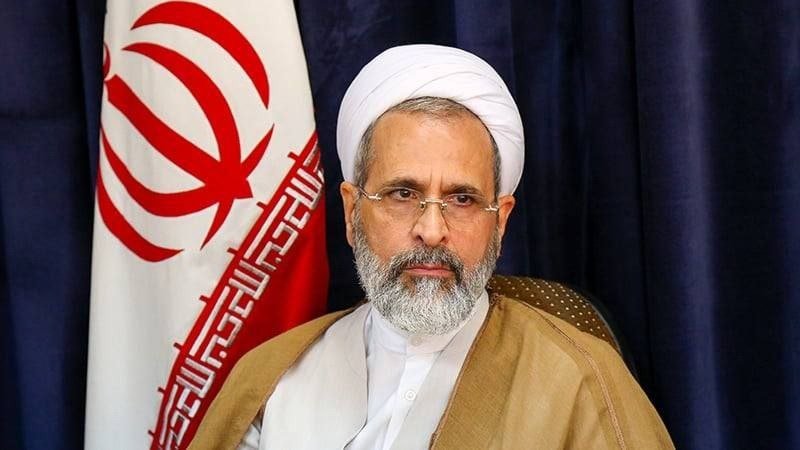
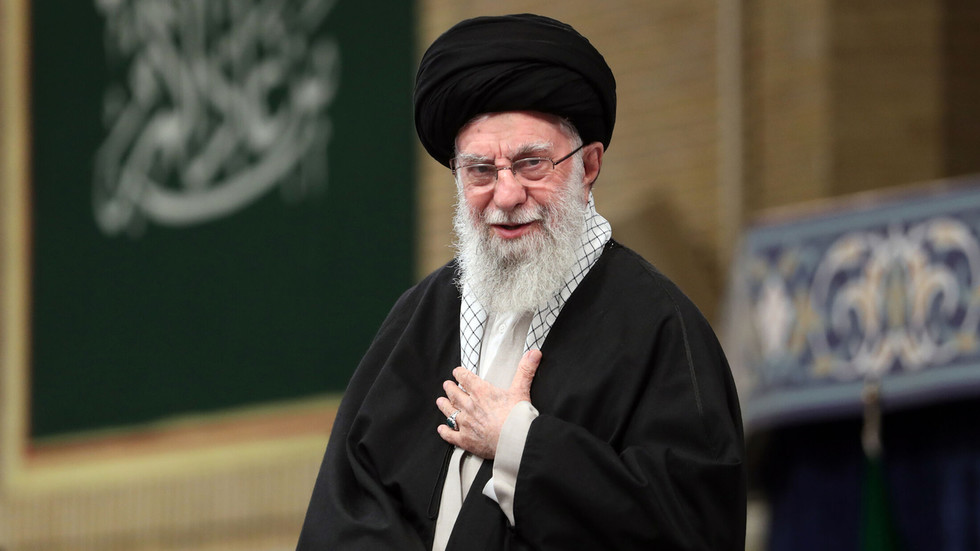
Following the confirmed death of Iran’s Supreme Leader Ayatollah Ali Khamenei in an attack widely described as a joint or coordinated US-Israeli operation, both government-aligned and opposition outlets report that Tehran has moved quickly to install temporary leadership and prevent a power vacuum. They agree that an interim arrangement centers on Ayatollah Alireza Arafi and a small group of top officials, including President Masoud Pezeshkian and the head of the judiciary, with formal announcements carried by state news agency IRNA and echoed in opposition reporting. Both sides state that this interim set‑up is designed to govern during a constitutionally defined transition period until a new Supreme Leader is chosen, and that the process and timelines will be overseen within existing institutional structures.
Coverage from both camps highlights the central roles of the Guardian Council and the Assembly of Experts in managing succession within the Islamic Republic’s constitutional framework. Government and opposition reports alike describe Arafi as a senior cleric trusted by the establishment, note that the security apparatus will be pivotal in shaping outcomes, and mention potential successors such as figures from the Khamenei and Khomeini families and other high-ranking clerics. They concur that the transition aims to preserve regime continuity, that clerical and security elites will coordinate closely, and that the leadership shift has broad implications for Iran’s regional posture and for the balance of power within its theocratic-republican system.
Areas of disagreement
Nature of the interim role. Government-aligned outlets typically stress that the temporary leadership is a collective structure in which President Pezeshkian, the judiciary chief, and a designated Guardian Council member share responsibilities in accordance with the constitution, portraying Arafi as one component within a legally mandated council. Opposition sources instead cast Arafi as the de facto or explicit interim Supreme Leader, suggesting that the formal mention of councils and committees is largely cosmetic and meant to legitimize an arrangement dominated by a single clerical figure. While state narratives emphasize institutional balance, opposition reporting highlights personal authority and behind-the-scenes clerical maneuvering.
Legitimacy and constitutionalism. Government coverage frames the transition as a textbook application of Iran’s constitutional safeguards, underscoring the roles of the Guardian Council, the Assembly of Experts, and adherence to established succession procedures. Opposition outlets question the legitimacy of these bodies, arguing that their members are handpicked and that the process is engineered to maintain hardline dominance rather than reflect genuine public will. Where official media highlight orderliness, legal continuity, and national unity, opposition media stress exclusion, lack of transparency, and the absence of meaningful popular participation.
Characterization of foreign involvement and threat. Government-aligned reports present Khamenei’s death as an egregious act of aggression by the United States and Israel, framing it as a violation of sovereignty that justifies consolidation of power and heightened security measures. Opposition sources, while generally acknowledging foreign responsibility for the strike, tend to downplay its role as a unifying external threat and instead focus on how the regime uses it to tighten internal control and rally support around the interim leadership. The state narrative foregrounds resistance and deterrence, whereas opposition narratives foreground regime opportunism and internal repression.
Prospects for change. Government narratives depict the succession as a moment of controlled continuity, suggesting that any leadership change will preserve the Islamic Republic’s core ideological and institutional framework while enhancing stability. Opposition outlets present the same transition as a potential inflection point in which rival factions, especially security and clerical elites, may entrench their power, narrowing the space for reform or democratization. While official media speak of consolidation and orderly governance, opposition media warn of further authoritarian drift and a leadership selection process insulated from societal demands.
In summary, government coverage tends to emphasize constitutional continuity, shared interim stewardship, and national resilience against foreign aggression, while opposition coverage tends to stress personalized rule by Arafi, the manipulated and exclusionary nature of the succession process, and the regime’s use of the crisis to deepen authoritarian control.