
opposition
At least 1,000 civilian ships in the Persian Gulf are experiencing navigation problems due to electronic warfare
Since Feb.
2 months ago
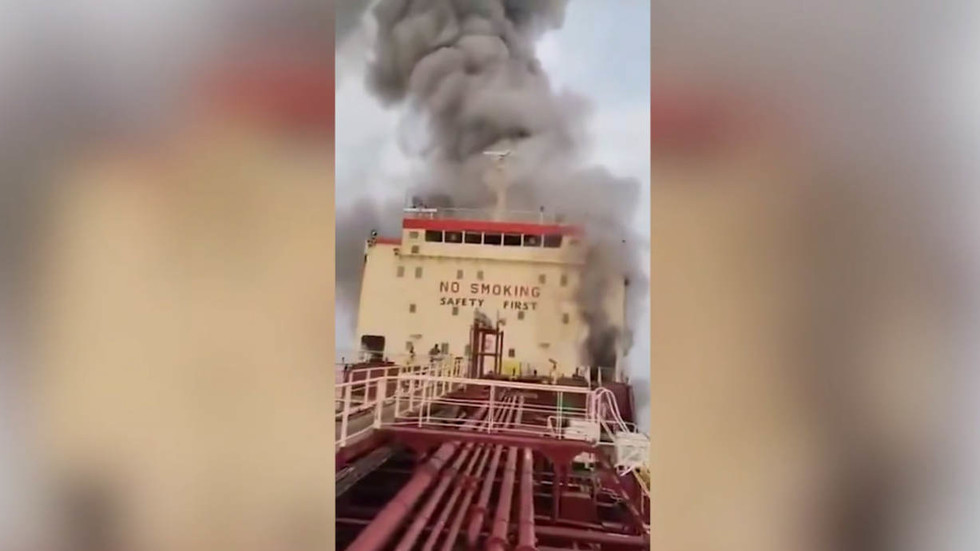
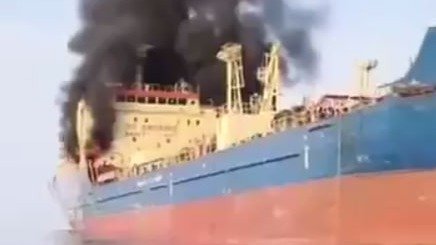
Multiple reports from both government and opposition outlets state that several commercial oil tankers have been attacked in or near the Strait of Hormuz and Omani waters in recent days, including the MKD VYOM and the Palau-flagged SKYLIGHT. Both sides agree that at least one tanker caught fire, that the MKD VYOM was struck by an unmanned or remotely operated boat off the coast of Oman, that one crew member was killed and over twenty evacuated from that vessel, and that at least one other tanker suffered damage and injuries requiring crew evacuation. They concur that these incidents follow recent U.S. and Israeli strikes on Iran, have prompted a heightened threat posture by regional and international maritime authorities, and have caused a visible buildup of tankers at anchor in the Persian Gulf as shipowners reassess transit risks.
Coverage from both perspectives also agrees that the Strait of Hormuz remains a critical chokepoint for global oil exports and that the attacks, combined with broader security tensions, are disrupting maritime traffic and contributing to higher energy prices. Both sides acknowledge the involvement of specialized regional bodies, such as joint maritime information or coordination centers, in issuing threat assessments that cite risks from aerial attacks and possible mines. They also present a shared picture of increased military and security activity by regional states, including the use of advanced surveillance and electronic warfare tools, and accept that the recent incidents fit into a longer pattern of insecurity affecting merchant shipping in the Gulf and adjacent waters.
Responsibility and intent. Government-aligned outlets emphasize the attack on the MKD VYOM as part of a pattern of destabilizing actions by Iran-linked groups after U.S. and Israeli strikes, framing it as targeted aggression against a vessel near the waters of a U.S. ally. Opposition sources more cautiously stress that while U.S. authorities believe the SKYLIGHT is tied to Iran’s shadow fleet, the precise perpetrator and command chain for the attacks remain murky, with various regional states potentially involved in escalation. Government coverage tends to highlight malign intent and deliberate targeting of commercial traffic, whereas opposition reporting leaves more room for ambiguity and stresses the complexity of attribution in a crowded conflict theater.
Scale of the threat. Government reporting focuses on the discrete, kinetic incidents themselves, centering on the specific tankers hit, casualties, and immediate disruptions in shipping and prices. Opposition outlets portray a much larger operational picture, citing at least three tankers attacked and over 1,000 civilian ships experiencing navigation problems due to GPS disruption since late February. While government sources describe serious but contained attacks, opposition coverage presents them as part of a systemic and expanding maritime security crisis affecting the broader merchant fleet.
Role of electronic warfare and regional militaries. Government-aligned coverage foregrounds the drone-boat strike and conventional security responses, giving limited attention to technical details about electronic warfare beyond general references to heightened tensions. Opposition media explicitly attribute widespread navigation failures to large-scale GPS interference allegedly caused by electronic warfare systems used by regional states, suggesting that militaries’ defensive and offensive measures are directly endangering civilian shipping. Thus, government narratives emphasize physical attacks and deterrence, whereas opposition narratives stress invisible, technologically driven risks that implicate multiple state actors.
Strategic framing and policy implications. Government coverage links the tanker incidents to the need for stronger maritime security cooperation with U.S. allies, justifying military presence and patrols as essential to protect global energy flows. Opposition outlets instead use the attacks and navigation disruptions to question current regional security strategies, arguing that confrontational policies and shadow fleets have turned the Strait of Hormuz into a de facto war zone for civilians. While government narratives point to reinforcing existing alliances and deterrence measures, opposition narratives call attention to the costs and blowback of militarized competition in such a vital corridor.
In summary, government coverage tends to present the attacks as discrete acts of aggression largely attributable to Iran-linked forces that justify reinforced security postures, while opposition coverage tends to portray them as symptoms of a wider, multi-actor militarization and electronic warfare environment that is structurally endangering civilian maritime traffic.