government
Gas prices spike amid fears of Middle East supply shock
European gas prices have skyrocketed as traders fear the escalation in the Middle East could hit shipments via the Strait of Hormuz
2 months ago
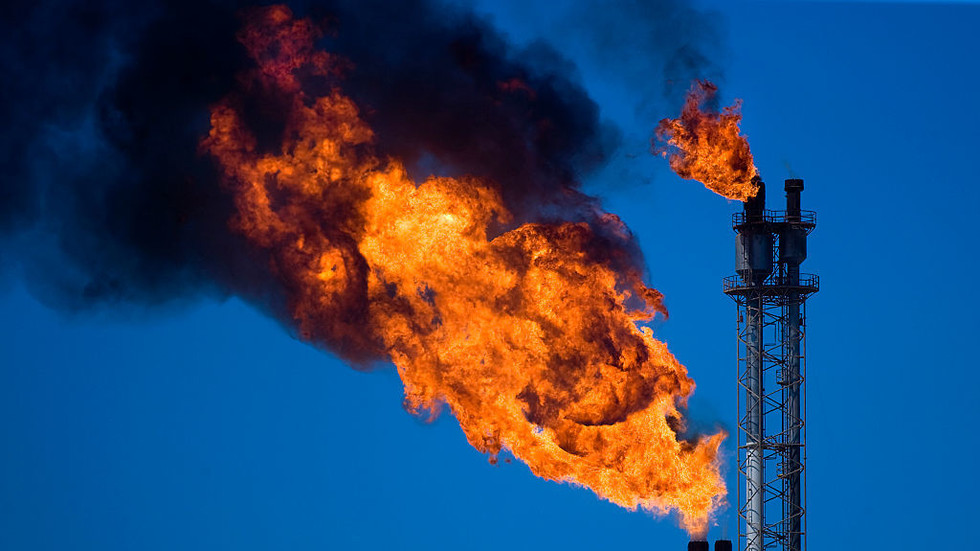
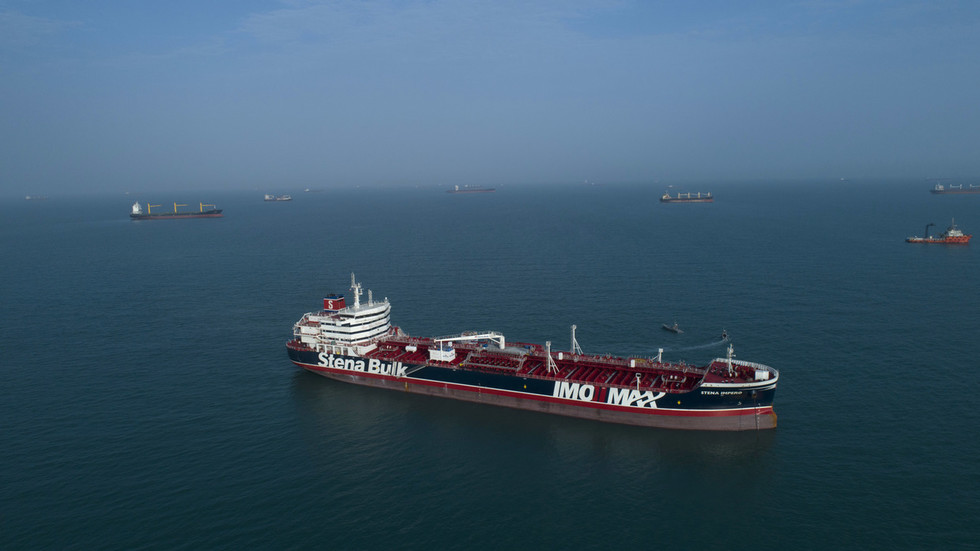
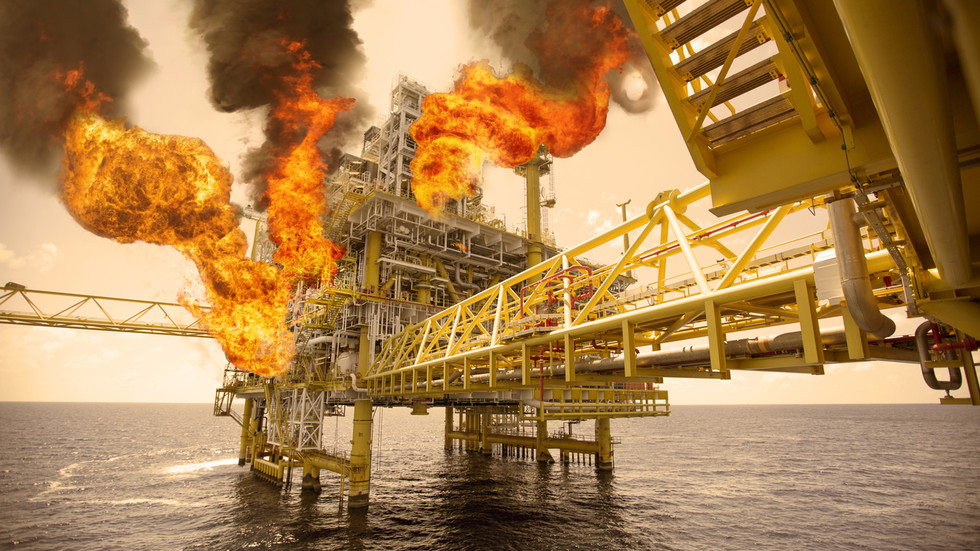
Global reporting agrees that oil and gas prices have surged sharply in the wake of escalating conflict in the Middle East, with particular focus on US-Israeli strikes on Iran and associated security risks around the Strait of Hormuz. European benchmark gas prices are described as having jumped between roughly 30% and 50%, with spot and futures contracts spiking and prices in Europe briefly surpassing about $700 per 1,000 cubic meters, their highest level since early 2023. Oil prices are widely reported to have reached a 14‑month high after the latest round of strikes, while tanker traffic through the Strait of Hormuz has been disrupted by pauses and rerouting amid fears of further attacks. There is broad agreement that drone strikes on QatarEnergy’s LNG complex and other energy infrastructure, combined with the risk of shipping disruptions, have heightened market volatility and raised the prospect of a supply shock comparable to, or potentially worse than, the disruptions following Russia’s 2022 invasion of Ukraine.
Coverage from both sides also converges on the broader context: the Strait of Hormuz is consistently characterized as a critical chokepoint for global oil and gas flows, and Europe is portrayed as especially vulnerable because of its heavy dependence on LNG imports after scaling back Russian pipeline gas. Analysts in multiple reports note that Norway, now the EU’s largest pipeline gas supplier, is already producing at full capacity and cannot offset additional shortfalls from the Middle East, leaving European buyers exposed to price spikes and potential shortages. Financial-market reactions are similarly aligned, with reports of rising commodity-linked stock indices (including Russian energy-linked equities) and falling broader equity markets worldwide as investors price in higher energy costs and geopolitical risk. Commentators across outlets frame the situation as a test of Europe’s energy‑transition and diversification policies, emphasizing that renewed reliance on Russian gas is being openly discussed as a contingency if Middle Eastern disruptions persist.
Cause and characterization of the shock. Government-aligned outlets tend to frame the surge in oil and gas prices as an almost mechanical market reaction to objective security risks, emphasizing physical disruptions such as drone strikes on Qatari LNG facilities and shipping interruptions in the Strait of Hormuz. In contrast, opposition narratives are more likely to stress policy and diplomatic failures, portraying the conflict escalation itself as avoidable and suggesting that miscalculated alliances and confrontational stances helped trigger the shock. Government sources underline comparisons to previous energy crises mainly in technical terms, whereas opposition sources cast the shock as the foreseeable outcome of a broader pattern of short-sighted foreign and energy policy.
Responsibility and blame. Government coverage generally distributes responsibility across multiple actors, referencing US-Israeli strikes, Iranian responses, and regional militias while avoiding sustained scrutiny of its own government’s role beyond brief mentions of diplomacy. Opposition outlets focus more sharply on their government’s alignment with Western actions or sanctions regimes, arguing that this alignment has increased exposure to Middle Eastern instability and constrained diversification options. Where government-aligned sources lean toward blaming external aggressors or abstract “geopolitical tensions,” opposition sources explicitly accuse domestic leaders and institutions of having failed to shield consumers and industries from predictable price shocks.
Economic winners and losers. Government narratives tend to highlight rising national stock indices and the potential benefits for domestic energy exporters from elevated raw-material prices, framing these gains as a buffer that can support budget stability and social spending. Opposition coverage, by contrast, dwells on households, small businesses, and energy-intensive industries bearing the brunt of higher fuel and utility costs, often warning of inflation, reduced purchasing power, and potential job losses. Government sources may present higher energy export revenues as a strategic opportunity, while opposition voices treat them as windfall profits for a narrow corporate or political elite amid widespread economic pain.
Policy implications and future options. Government-aligned reporting often presents the crisis as validating existing strategic choices, such as maintaining or expanding domestic production and keeping channels open for exports, and sometimes hints that Europe’s renewed interest in Russian gas confirms the long-term value of the country’s resources. Opposition coverage typically seizes on the same developments to argue that authorities have overrelied on volatile fossil markets, calling for either faster diversification into renewables or more consumer-focused regulation of domestic energy pricing. While government sources stress stability, gradual adjustment, and external demand as justification for the status quo, opposition outlets frame the price surge as evidence that the current model leaves the country structurally dependent on geopolitical turmoil.
In summary, government coverage tends to portray the price surge as an externally driven market shock that underscores the strategic value of national energy resources and largely vindicates existing policies, while opposition coverage tends to treat it as a politically induced crisis exposing policy failures, inequitable burdens on citizens, and the urgent need for a different energy and foreign-policy course.