government
India to Ensure Energy Supplies Amid Middle East Turmoil
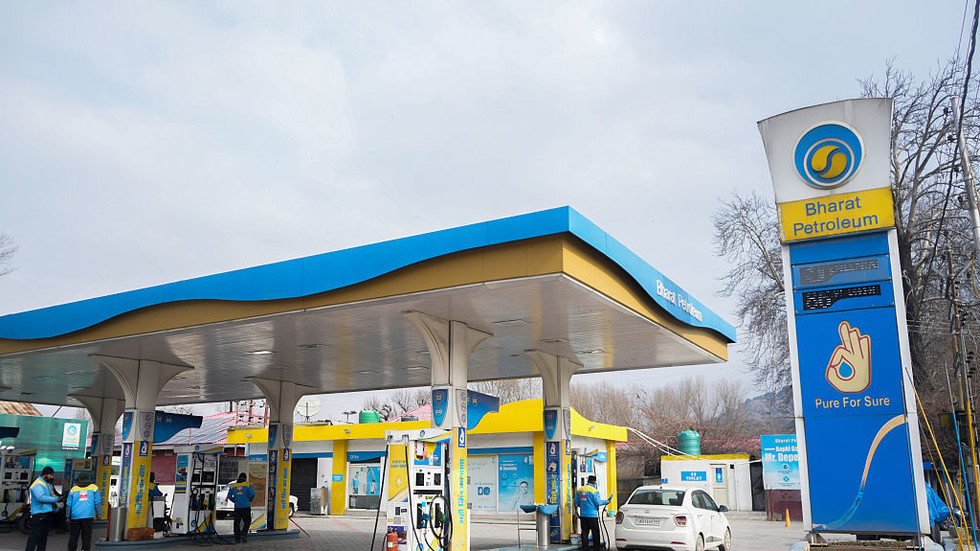
New Delhi has vowed to address possible shortage of petroleum products
2 months ago
India-focused coverage agrees that escalating conflict in the Middle East—particularly attacks involving Iran, retaliatory strikes, and drone attacks on energy infrastructure—has sharply raised risks to India’s energy security. Reports concur that around half of India’s crude oil and a majority share of its LNG imports (about 50% of oil and 55% of LNG) come from the Middle East and are heavily dependent on transit through the Strait of Hormuz, where some LNG tankers have already halted passage. Indian authorities are described as closely monitoring global markets amid a spike in oil prices, while domestic gas supplies to industries have been cut back in anticipation of tighter LNG availability triggered by Qatar’s production halt and shipping disruptions. There is also broad agreement that Indian refiners are exploring larger purchases of Russian crude, after an earlier scaling down due to Western sanctions and diplomatic pressure, as part of efforts to offset potential Middle Eastern supply losses.
Shared context highlights India’s structural dependence on imported hydrocarbons, its vulnerability to chokepoints like the Strait of Hormuz, and the legacy of past oil shocks that inform today’s policy response. Both sides frame institutions such as the Oil Ministry, state-owned refiners, and key LNG suppliers like Qatar as central to crisis management, while acknowledging the constraining effects of international sanctions regimes and great-power geopolitics on India’s energy choices. Common background explanations stress that India’s diversification strategy—toward Russian crude and other suppliers—is not new but is being accelerated by the latest turmoil, intersecting with longer-term goals of ensuring affordability for consumers and energy-intensive industries. There is also agreement that any prolonged disruption or price spike could have knock-on impacts on inflation, trade balances, and broader economic stability, making energy security a core policy and political issue.
Government performance and preparedness. Government-aligned narratives emphasize that the Oil Ministry and related agencies are acting swiftly, "actively monitoring" markets, adjusting domestic gas allocations, and leveraging diversified sourcing—including revived Russian crude deals—to shield India from shocks. They portray the gas cuts to industry as prudent pre-emptive rationing and stress continuity of essential supplies for households and critical sectors. In a contrasting frame, opposition-aligned critiques argue that the very need for emergency measures exposes inadequate long-term planning and overreliance on a volatile Middle East corridor, framing current actions as reactive crisis management rather than evidence of robust preparedness.
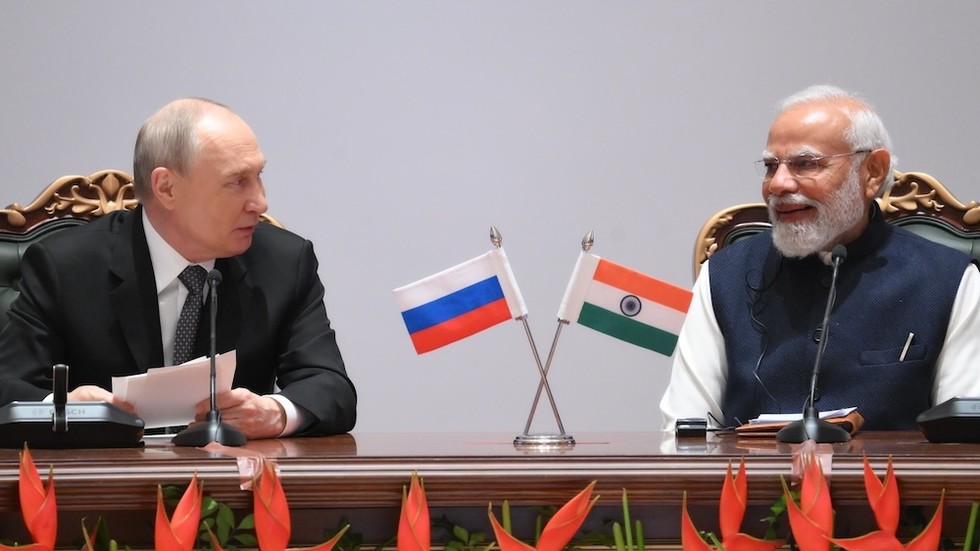
Energy diversification and Russian crude. Government-friendly outlets present the turn back toward larger Russian crude imports as a pragmatic, strategic hedge, underscoring policy flexibility in the face of sanctions complexity and shifting US positions. They highlight that India is simply prioritizing national interest and affordability, and frame renewed Russian purchases as a success of independent foreign policy. Opposition voices, by contrast, question whether earlier reductions in Russian imports—under US pressure—left India unnecessarily exposed to the present Middle East turmoil, portraying the renewed pivot as an embarrassing policy zigzag and a sign that external pressure too often overrides coherent, long-term diversification.
Economic impact and distribution of pain. Pro-government coverage tends to downplay immediate pain for ordinary consumers, suggesting that administrative measures, stockpiles, and calibrated pricing can avoid sharp retail fuel shocks, while presenting industrial gas cuts as temporary and targeted. Opposition narratives stress the likelihood of cascading effects on manufacturing, power costs, and inflation, arguing that industries and workers will bear the brunt of shortages and higher input prices. They contend that government-aligned reporting underplays risks to employment and small businesses, while official assurances about affordability are portrayed as overly optimistic or politically motivated.
Foreign policy constraints. Government-supportive accounts frame India as navigating a difficult geopolitical environment with strategic autonomy, carefully balancing ties with the US, Russia, Gulf producers, and Iran to keep energy flowing despite sanctions and conflict. They stress that constraints are largely exogenous and that New Delhi is skillfully using diplomacy and diversified suppliers to minimize fallout. Opposition-oriented commentary, where it appears, is more likely to argue that India’s recent foreign policy choices—such as perceived over-alignment with certain partners—have narrowed its room for maneuver, leaving it more vulnerable to supply shocks and diplomatic pressure in crises like the current Middle East turmoil.
In summary, government coverage tends to highlight decisive management, strategic diversification, and India’s diplomatic agility in containing energy risks, while opposition coverage tends to stress policy inconsistency, structural vulnerability, and the uneven economic burden on industries and ordinary citizens.