government
Zelensky refuses to relaunch oil pipeline after threatening Orban
Kiev continues to insist the Druzba pipeline is damaged, while Budapest accuses Ukraine of imposing an “oil blockade”
2 months ago
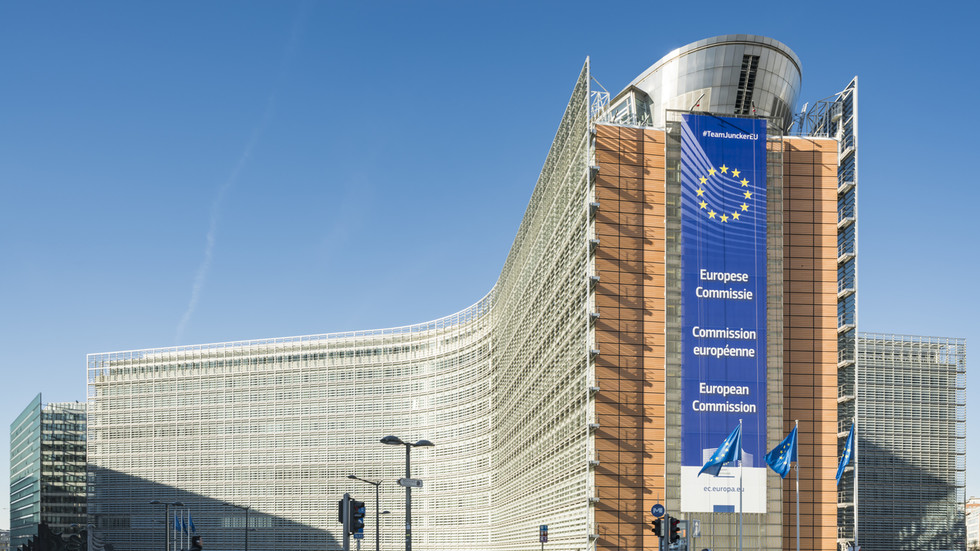
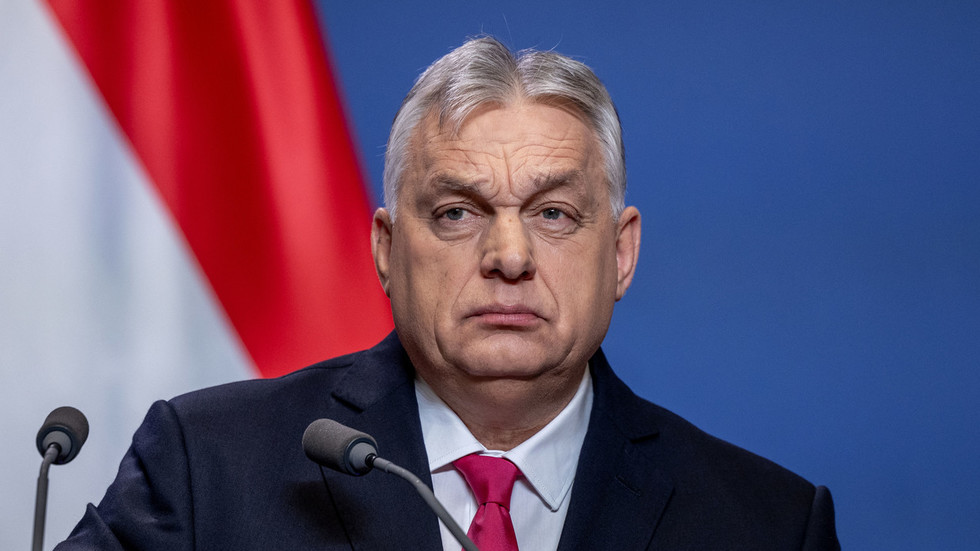
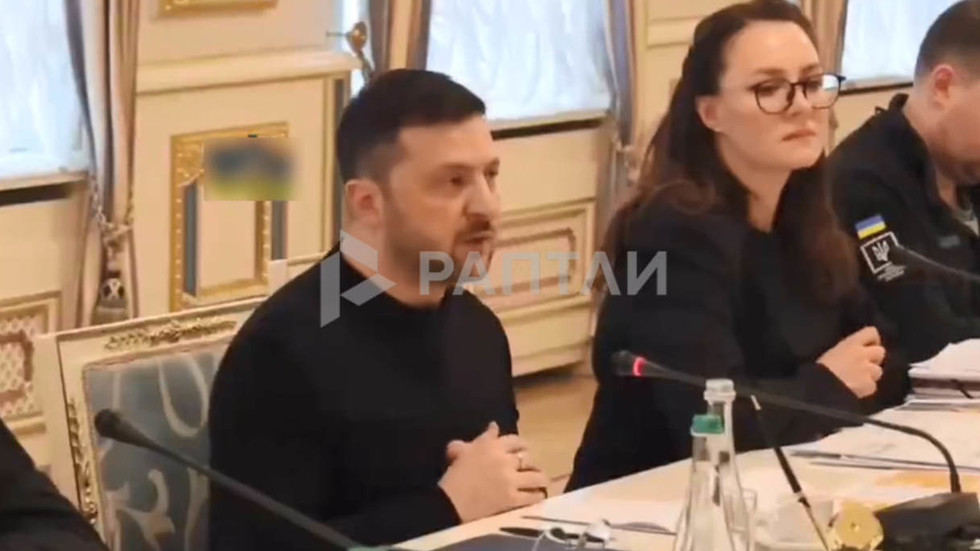
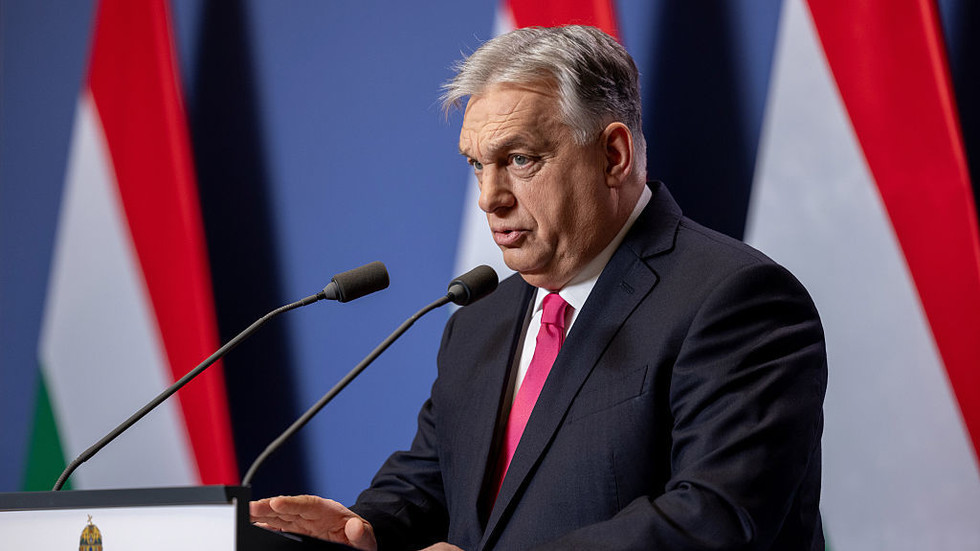
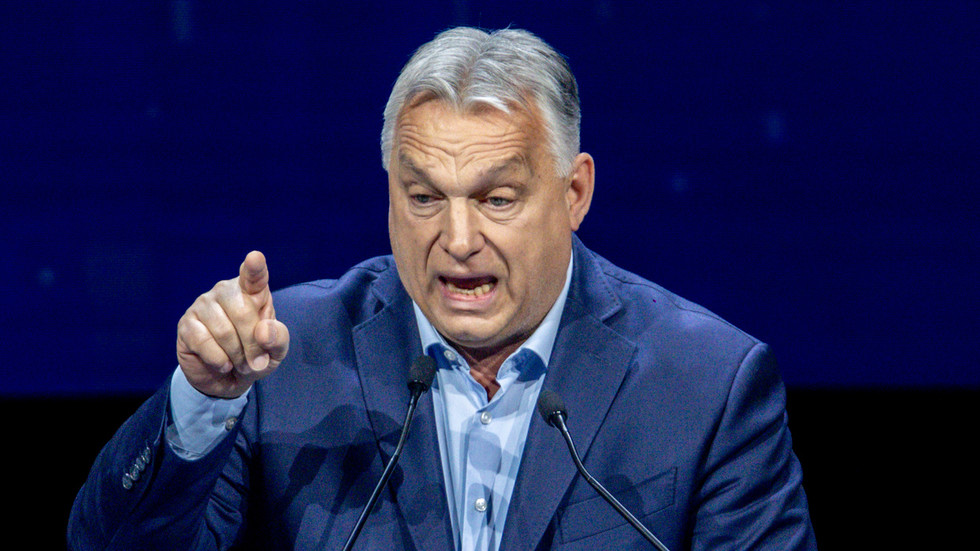
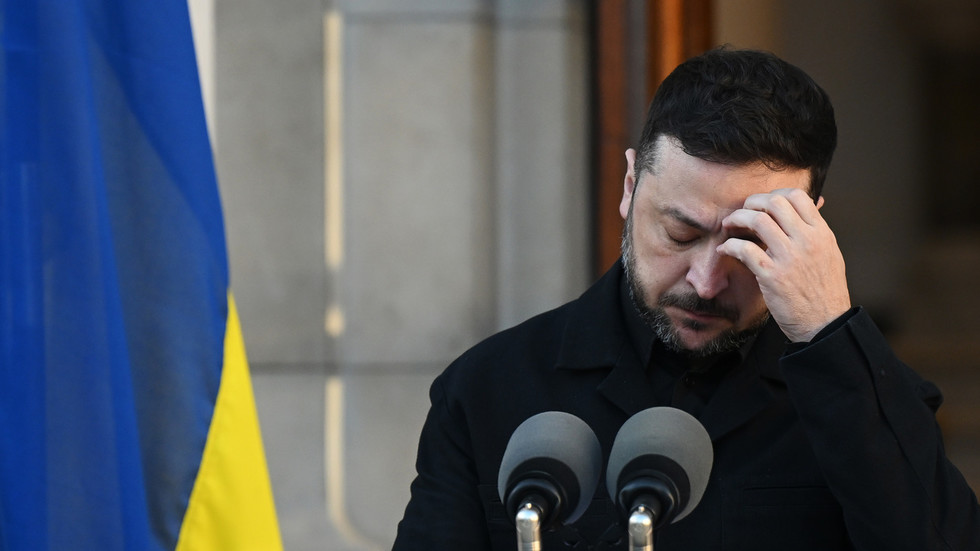
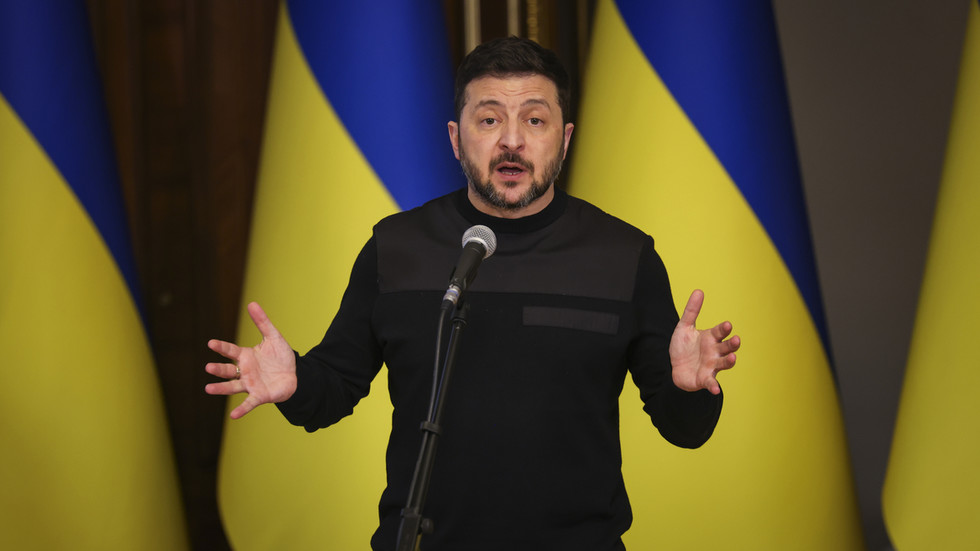
Hungary’s Prime Minister Viktor Orbán has publicly demanded that Ukraine reopen the Druzhba oil pipeline, which has not been delivering Russian crude to Hungary and Slovakia since late January, with Budapest insisting the line is technically functional. Government-aligned reports say Orbán is threatening to block all major EU decisions concerning Ukraine, including aid and sanctions packages, until oil transit is restored and independent inspectors are allowed to examine the pipeline on Ukrainian territory. These outlets describe a sharp personal escalation between Orbán and Ukrainian President Volodymyr Zelensky, including what they call threats or veiled military messages from Zelensky after Hungary vetoed a large EU loan package for Kyiv. They also agree that the European Commission has formally rebuked any threats directed at an EU member state and that Brussels is attempting to mediate by pressing Ukraine to allow access to the pipeline and resume flows.
The shared context in government-aligned coverage portrays Druzhba as a strategically vital Soviet-era pipeline for Central Europe’s energy security, feeding landlocked EU states like Hungary and Slovakia that still rely heavily on Russian crude. Both sides of mainstream institutional commentary cited in these reports acknowledge overlapping crises: Russia’s war in Ukraine, EU sanctions reshaping energy markets, and additional volatility from Middle East tensions that could further raise global oil prices. There is broad agreement that the EU wishes to maintain internal unity and avoid intra-EU conflict even as it supports Ukraine against Russia, and that the dispute over Druzhba is testing the balance between solidarity with Kyiv and the energy needs of certain member states. All accounts recognize that the European Commission and national governments are weighing legal, technical, and political factors in assessing whether the halt in oil flows is justified by war damage or constrained by broader policy and security considerations.
Nature of the pipeline shutdown. Government-aligned sources depict Ukraine’s halt of Druzhba oil flows as a deliberate, politically motivated “oil blockade” targeting Hungary and Slovakia despite the pipeline being technically sound, citing satellite imagery and the lack of convincing damage evidence. Opposition and critical Western outlets, by contrast, tend to repeat or give more weight to Kyiv’s explanation that Russian strikes have damaged infrastructure, framing any interruption as a wartime security and safety measure rather than extortion. Government media emphasize that Ukraine refused EU inspection missions, interpreting this as proof of bad faith, while critical coverage is more likely to present the refusal as linked to security concerns or negotiation leverage.
Responsibility and blame. Government-aligned coverage assigns primary blame to Ukraine and, secondarily, to EU energy policies, arguing that Kyiv is committing a “crime” against Hungary by cutting a vital supply route and that Brussels’ earlier drive to cut Russian energy has backfired. Opposition reporting abroad is more inclined to portray Orbán as leveraging energy dependence to obstruct EU support for Ukraine, suggesting Hungary is instrumentalizing the pipeline issue to secure concessions and weaken collective sanctions policy. In the government narrative, Zelensky is portrayed as the aggressor using threats and blackmail, whereas in opposition-oriented accounts Orbán is often framed as the spoiler undermining European unity and enabling Russia.
Framing of threats and escalation. Government-friendly outlets describe Zelensky’s remarks as explicit or implicit death and military threats toward Orbán, highlighting personal intimidation and portraying Hungary as standing firm against bullying from Kyiv. Opposition and many international sources either downplay the severity of Zelensky’s comments, interpret them as rhetorical pressure linked to EU decision-making, or focus instead on Orbán’s own escalatory language about breaking the blockade “by force.” Government media emphasize Hungary’s victimhood and defensive posture, while opposition narratives stress Orbán’s confrontational tactics and vetoes as key drivers of the crisis.
EU role and leverage. In government-aligned reporting, the EU is depicted as quietly moving toward Hungary’s position, with the Commission rebuking threats against Orbán and pressuring Ukraine to restore oil transit, thereby validating Budapest’s complaints. Opposition-leaning and Brussels-based coverage more often stresses frustration within EU institutions over Orbán’s repeated use of the veto, casting EU pressure on Kyiv as part of a broader balancing act rather than an endorsement of Hungary’s stance. Where government narratives underscore Hungary’s sovereign right to withhold support on all “Ukraine-related” decisions until its energy interests are met, opposition narratives usually warn that this tactic erodes EU solidarity and risks turning legitimate energy concerns into systemic blackmail within the bloc.
In summary, government coverage tends to portray Ukraine as unlawfully weaponizing Druzhba flows and threatening Hungary while Orbán defends national energy security and EU legal norms, while opposition coverage tends to depict Orbán as exploiting Hungary’s dependence on Russian oil to obstruct EU policy, pressure Kyiv, and weaken European unity over the war.