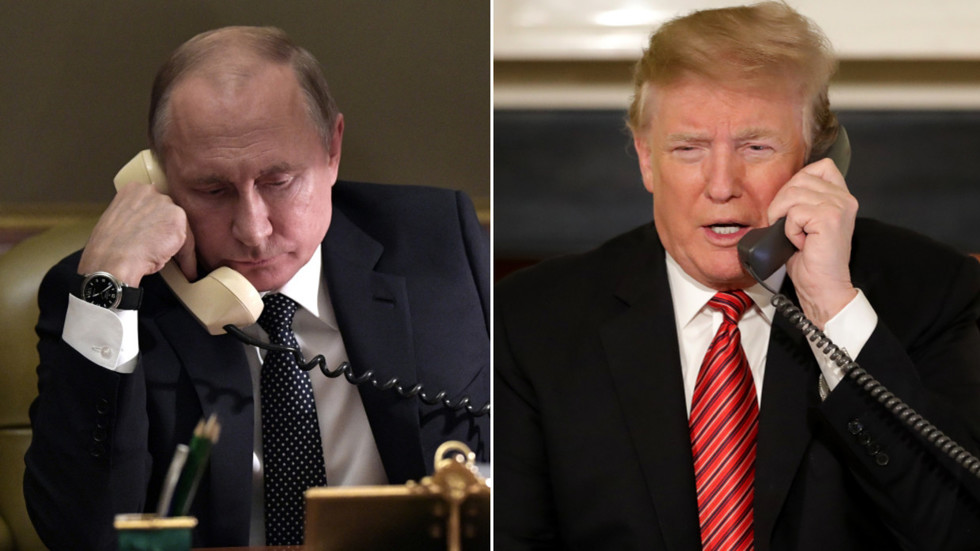
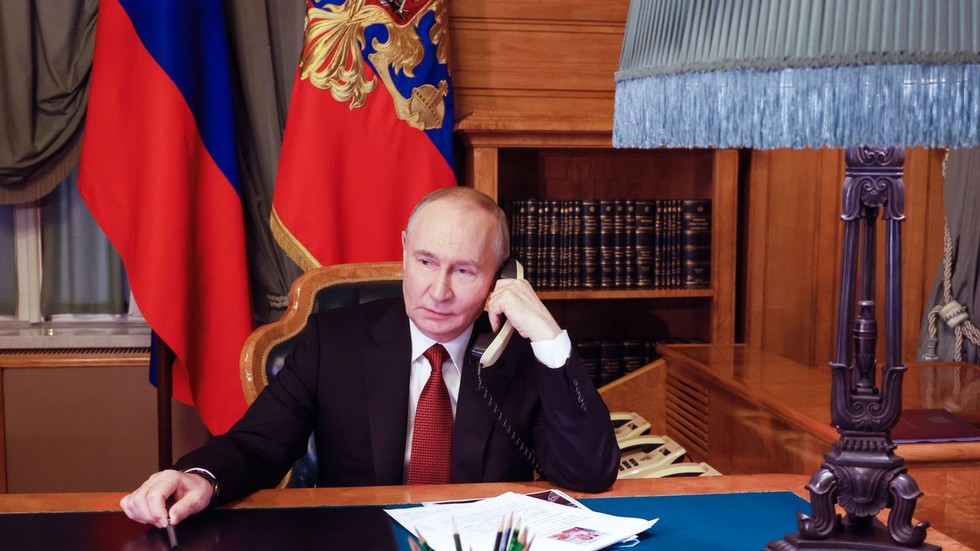
Russian and opposition-leaning outlets agree that Russian President Vladimir Putin and U.S. President Donald Trump held an approximately hour-long phone call, initiated by Trump, which both sides publicly characterized as businesslike and constructive. They concur that the conversation, the first publicly reported call between the two leaders in 2026 and in more than two months, focused on major international crises, including the escalating war in the Middle East involving Iran and the ongoing conflict in Ukraine, as well as the broader global energy situation. Both sides report that the leaders affirmed the practical importance of maintaining regular contacts and expressed readiness for continued dialogue aimed at resolving these conflicts.
Across both sets of sources, there is shared context that the call takes place against a backdrop of a worsening Middle East war, rising global energy prices, and U.S. discussions about easing certain oil-related sanctions, including on Russian exports. Reports agree that Washington is exploring limited sanctions relief as a tool to stabilize oil markets amid turmoil in the Persian Gulf, and that Moscow is seen as a key player for any de-escalation involving Iran and for negotiations over Ukraine. Both government and opposition sources situate the call within broader diplomatic efforts where Russia’s role is central to energy security and conflict resolution, even as domestic political consequences in the U.S. remain an underlying factor.
Areas of disagreement
Framing of motives. Government-aligned coverage portrays Trump’s initiative to call Putin as a pragmatic recognition that Russia is indispensable for restoring global energy security and stabilizing crises in Iran and Ukraine. It emphasizes joint efforts and mutual readiness for regular contact as proof of responsible statecraft by both leaders. Opposition sources, while acknowledging Trump initiated the call, frame his outreach more as a reaction to a U.S.-created strategic deadlock in the Middle East and mounting pressure over Ukraine, suggesting the move reflects weakness and lack of a clear American strategy rather than purely constructive diplomacy.
Characterization of the Middle East war. Government outlets describe the Middle East conflict as a war the U.S. has effectively initiated with Iran, highlighting Washington’s strategic impasse and declining regional influence, and casting Russia as a potential problem-solver. They stress Moscow’s possible role in de-escalation while implying U.S. responsibility for the crisis. Opposition coverage tends to focus more on the humanitarian and geopolitical fallout of the broader Middle East war, downplays talk of U.S. “decline,” and emphasizes Putin’s proposals and Trump’s search for a ceasefire without adopting the government narrative that singularly blames Washington.
Portrayal of Ukraine negotiations. Government-aligned reports briefly mention Ukraine as one of several topics and stress the constructive, technical nature of discussions, presenting Russia as a reasonable actor open to dialogue. They link Ukraine to a wider portfolio of international issues rather than treating it as the central problem. Opposition sources, by contrast, foreground Ukraine as a key focus of the call, describing concrete negotiations and suggesting that Russia is trying to exploit delays in U.S.-supported talks and the distraction of the Middle East war to gain leverage in any peace settlement.
Sanctions and energy policy. Government coverage underscores the importance of Russia–U.S. dialogue for global energy security and tends to treat sanctions as a counterproductive constraint the U.S. is being forced to reconsider because of market realities. It stresses that detailed discussion on lifting sanctions did not occur, while still highlighting Russian officials’ earlier claims of ongoing contacts about easing restrictions. Opposition outlets concentrate more on the political controversy of the Trump administration weighing sanctions relief for Russia amid war, framing it as a potentially risky concession made under pressure from rising prices and the Middle East conflict rather than as a mutually beneficial adjustment.
In summary, government coverage tends to depict the call as a necessary, pragmatic engagement driven by U.S. recognition of Russia’s indispensable role in resolving wars and stabilizing energy markets, while opposition coverage tends to see it as a symptom of U.S. strategic missteps and a moment in which Moscow seeks leverage on Ukraine and sanctions amid overlapping crises.