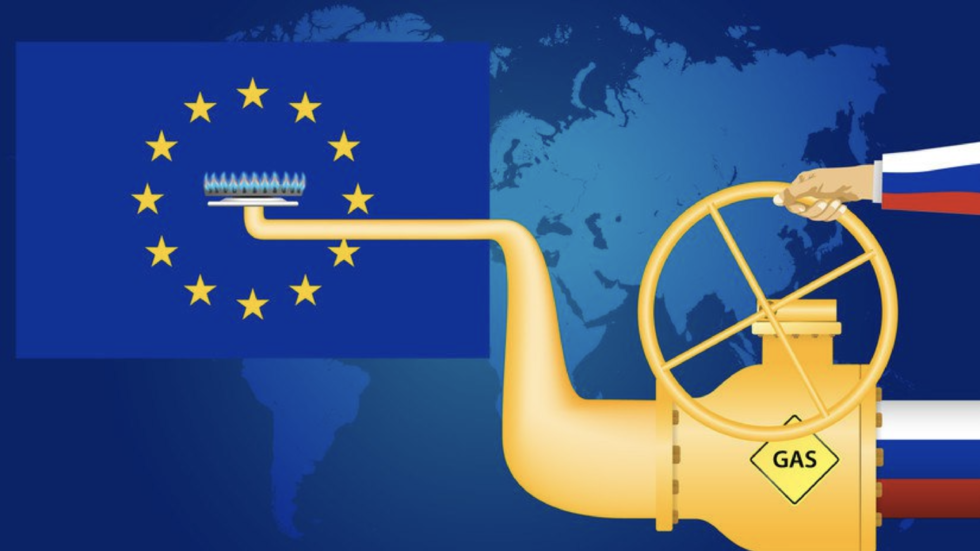
Russia’s leadership and energy companies are openly discussing the possibility of sharply reducing or even halting fuel supplies to Europe, with a corresponding redirection of oil, pipeline gas, and LNG flows toward Asia-Pacific and other “friendly” markets. Across coverage, it is agreed that these debates follow President Vladimir Putin’s recent meetings with senior energy officials and that they tie directly to anticipated European Union restrictions, including plans for a phased reduction and potential full ban on imports of Russian liquefied natural gas by around 2027. Both sides' reporting acknowledges that Russian firms are already preparing to re-route part of their LNG currently sold to Europe, and that the Kremlin’s stated objective is to secure new long-term contracts in Asian and other non-Western markets.
Both government-aligned and opposition-leaning analyses concur that Europe’s demand for Russian hydrocarbons has been structurally declining due to a combination of the EU’s green transition policies, diversification away from Russian suppliers, and the fallout from recent geopolitical and security crises. They also agree that Moscow is presenting its pivot as a strategic reorientation rather than a temporary adjustment, with the stated institutional task of energy ministries and state-linked companies being to entrench Russia in “promising” markets where politics, infrastructure projects, and long-term contracts can be aligned. Coverage on both sides frames the current moment as the end of an era in which Europe was Russia’s primary gas customer and recognizes that any reconfiguration will involve multi-year investments in infrastructure, logistics, and financial arrangements to sustain new export routes.
Areas of disagreement
Motives and strategic intent. Government coverage portrays the possible halt of fuel supplies to Europe as a sovereign, pre‑emptive strategic choice that anticipates long-term trends and places national interests above unreliable Western demand, while presenting Asia as a rational and mutually beneficial alternative. Opposition-leaning narratives tend to argue that the pivot is less a proactive strategy and more a forced reaction to EU sanctions, reputational damage, and the loss of market share after years of confrontational foreign policy. While state-aligned outlets talk about seizing new opportunities and deepening ties with “friendly” countries, opposition sources frame the same steps as crisis management under constrained options.
Economic consequences and risk. Government-aligned reporting emphasizes that redirecting volumes to Asia and other regions will preserve or even enhance export revenues over the long term, highlighting the security of demand in fast-growing Asian economies and downplaying near-term disruptions. Opposition outlets stress transitional losses, pricing discounts, infrastructure bottlenecks, and the risk of permanent erosion of Russia’s former premium European customer base, warning that new markets may be less profitable and more politically demanding. Where official narratives present the shift as a manageable and even beneficial adjustment for domestic producers and the budget, critical media describe it as a costly gamble that could weaken Russia’s fiscal position and bargaining power.
Responsibility and blame. State media generally place primary responsibility on the EU and “unfriendly” Western governments, arguing that sanctions, politicization of energy trade, and climate-driven regulatory shifts made Europe an unreliable partner, thus compelling Russia to look elsewhere. Opposition coverage typically apportions significant blame to the Kremlin’s own decisions, asserting that militarized foreign policy and the use of energy as a geopolitical tool triggered Europe’s accelerated exit from Russian fuels. In official discourse, Moscow is the rational actor reacting to Western hostility, whereas dissenting voices argue that current constraints are largely self-inflicted and stem from domestic political choices.
Long-term geopolitical implications. Government narratives present the pivot to Asia as a way to strengthen Russia’s global role, deepen integration with non-Western blocs, and insulate the country from Western economic leverage, forecasting stable partnerships with large Asian importers. Opposition outlets caution that heavy dependence on a narrower group of buyers—particularly China and a few Asian states—could leave Russia in a structurally weaker position, with less pricing power and greater vulnerability to political pressure from those partners. While state-aligned media depict this as diversification and a multipolar realignment, critics argue it is in practice a shift from one form of dependency to another, but on worse terms for Russia.
In summary, government coverage tends to frame the potential cutoff of fuel supplies to Europe and pivot to Asia as a confident, strategic rebalancing toward more reliable partners and long-term opportunities, while opposition coverage tends to present it as a constrained, reactive move driven by sanctions, policy missteps, and the loss of a once-lucrative European market.