
government
FACTBOX: What is known about US softening of sanctions against Russian oil
US Treasury Secretary Scott Bessent claimed that Russia would not benefit significantly from the temporary easing of sanctions
a month ago
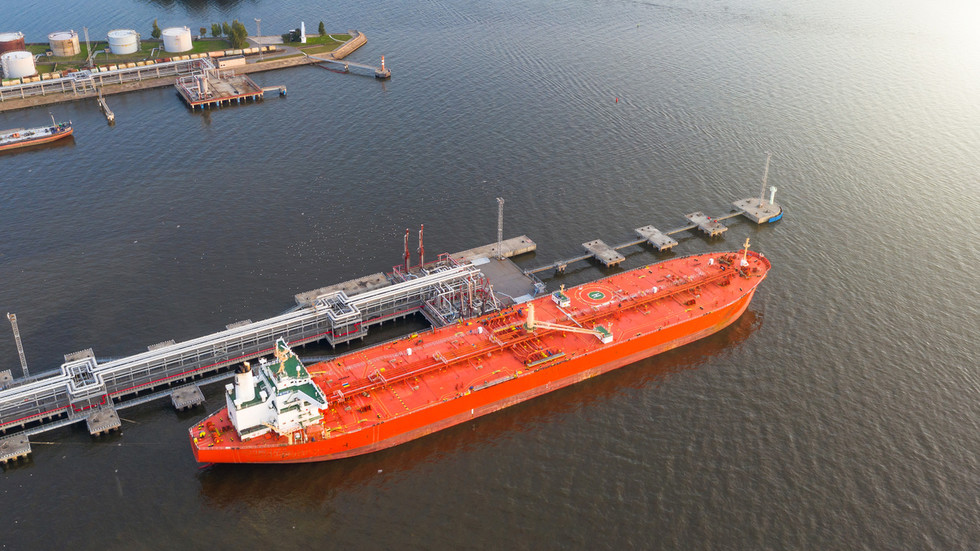
The US Treasury has issued a temporary general license easing some restrictions on Russian oil and petroleum products already loaded onto vessels before March 12, allowing transactions with that oil until roughly April 11. Both government and opposition sources agree that this waiver applies only to cargoes currently at sea, is time-limited to about 30 days, and is framed as a response to surging global oil prices linked to escalating conflict in the Middle East involving US and Israeli strikes on Iran. They concur that the stated goal from US officials is to stabilize global energy markets and curb price spikes, and that Washington insists the measure is not designed to provide major new revenues to Moscow. Estimates cited in both camps converge around the figure of about 100 million barrels of Russian oil affected by the waiver, and both note that the move primarily facilitates purchases by third countries rather than US domestic buyers.
Coverage on both sides situates the waiver within existing sanctions regimes and the broader architecture of energy market management, describing it as a technical general license published by the US Department of the Treasury. They agree that the decision illustrates the continued structural importance of Russian supply for global market stability and that, despite sanctions, Russian oil remains deeply embedded in global trade flows. Both acknowledge that the Middle East war and associated disruptions have exposed vulnerabilities in the current energy system, prompting reactive policy steps rather than long-term reforms. Government and opposition sources alike recognize that this episode underscores how geopolitical crises can rapidly reshape sanctions implementation and highlight overlapping interests among major producers in preventing uncontrolled price surges.
Motives and signaling. Government-aligned outlets emphasize that the waiver is a pragmatic, technical adjustment to prevent a price shock and is carefully designed so Russia does not significantly benefit financially. They highlight US statements as evidence that Washington remains committed to sanctions but must manage global supply. Opposition sources, while noting the same formal justification, are more likely to stress that any relaxation of sanctions inevitably sends a mixed signal about resolve toward Moscow. They suggest the move risks normalizing Russian oil in global markets despite ongoing aggression in Ukraine.
Impact on Russia. Government narratives underscore that only pre-loaded cargoes are covered, arguing that this merely unlocks stranded barrels and does not change Russia’s long-term export capacity. They repeat US assurances that the fiscal benefit to Moscow will be marginal and outweighed by the need to stabilize prices. Opposition outlets, although acknowledging the limited scope, highlight that higher global prices combined with the waiver could still yield substantial extra revenue for the Russian budget. They frame the measure as undercutting efforts to reduce Russia’s war financing, even if unintentionally.
Geopolitical framing. Government-aligned coverage links the decision to a shared US–Russian interest in stabilizing energy markets and portrays the waiver as implicit recognition of Russia’s indispensable role in global supply. They report Russian officials welcoming what they call a de-facto admission that Russian oil is crucial for stability. Opposition coverage, by contrast, situates the move primarily within US and allied crisis management around the Middle East war, downplaying any cooperative framing with Moscow. It tends to treat references to converging US–Russian interests as politically awkward and potentially undermining Western unity.
Consequences for Ukraine and sanctions policy. Government sources occasionally note Ukrainian frustration but generally treat it as a secondary issue to the imperative of calming energy markets. They stress that core sanctions remain in place and present the waiver as a narrow, time-bound exception driven by extraordinary circumstances. Opposition outlets give more weight to Kyiv’s concerns, suggesting the step legitimizes Russia’s position and erodes the credibility of the sanctions regime. They question whether short-term price relief justifies the longer-term political cost of appearing to soften pressure on Moscow.
In summary, government coverage tends to portray the waiver as a tightly controlled, technocratic response to an external shock that minimally benefits Russia while serving global stability, while opposition coverage tends to highlight the political and moral costs, stressing that even temporary relief risks bolstering Russian revenues and diluting the sanctions’ deterrent message.