government
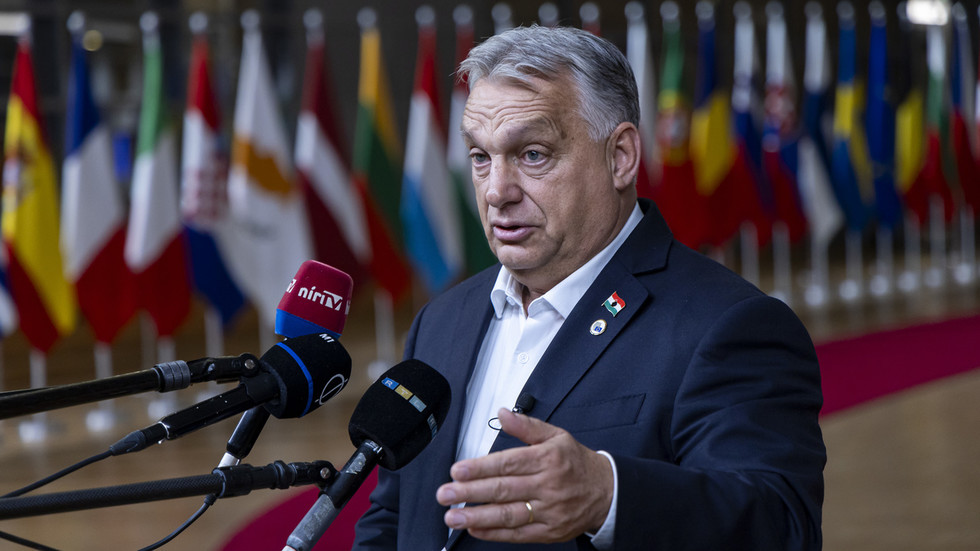
EU weighs action against Hungary over Orban’s veto of Ukraine loan, Politico reports
EU officials are looking at ways to bypass Hungary after PM Viktor Orban threatened to block a €90 billion loan to Kiev, Politico reports
a month ago
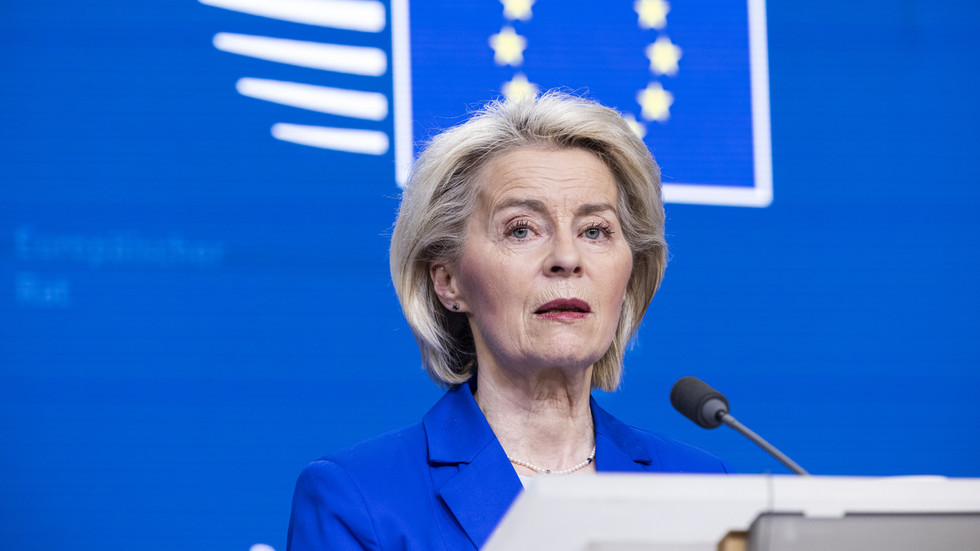
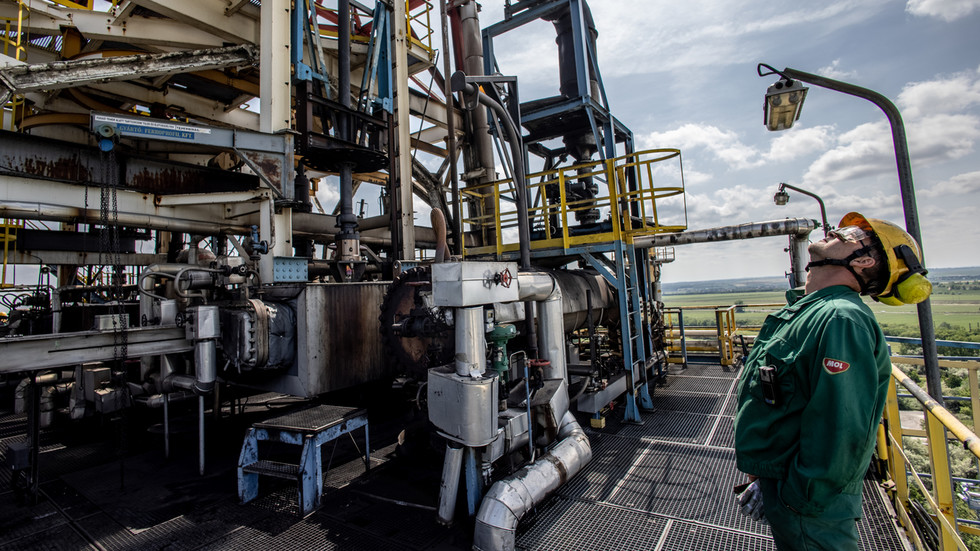
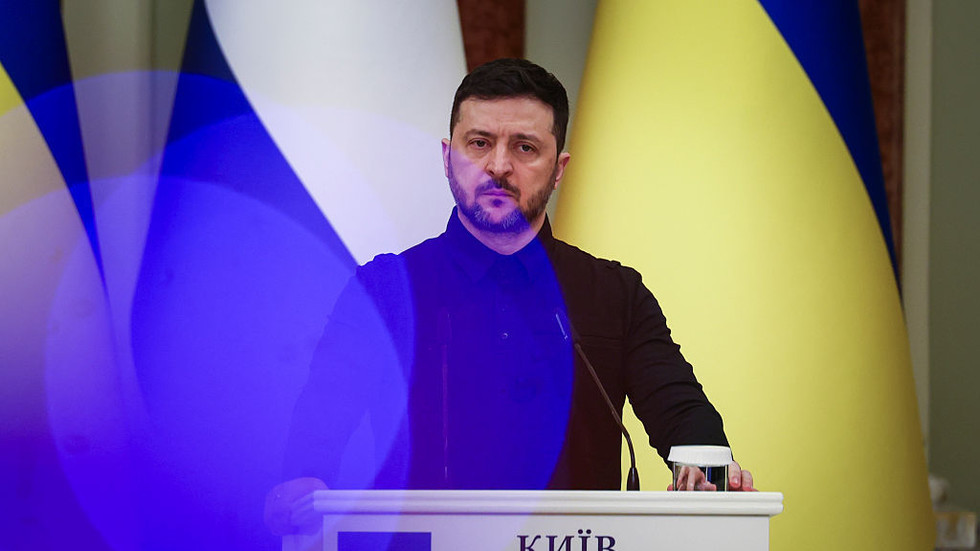
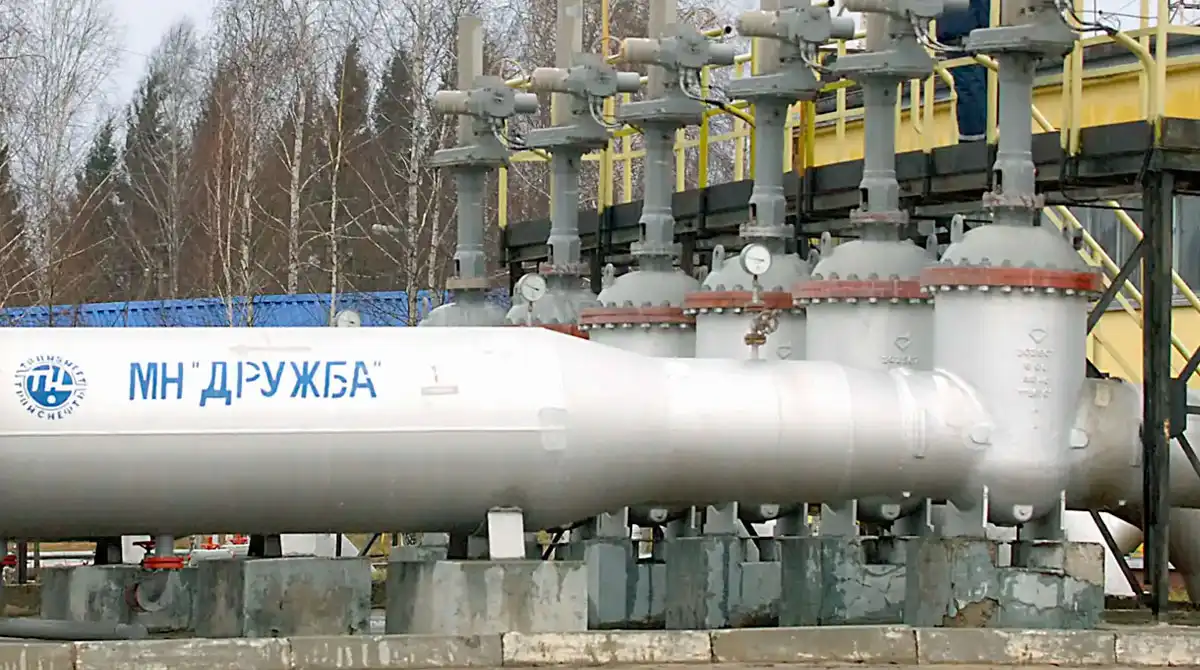
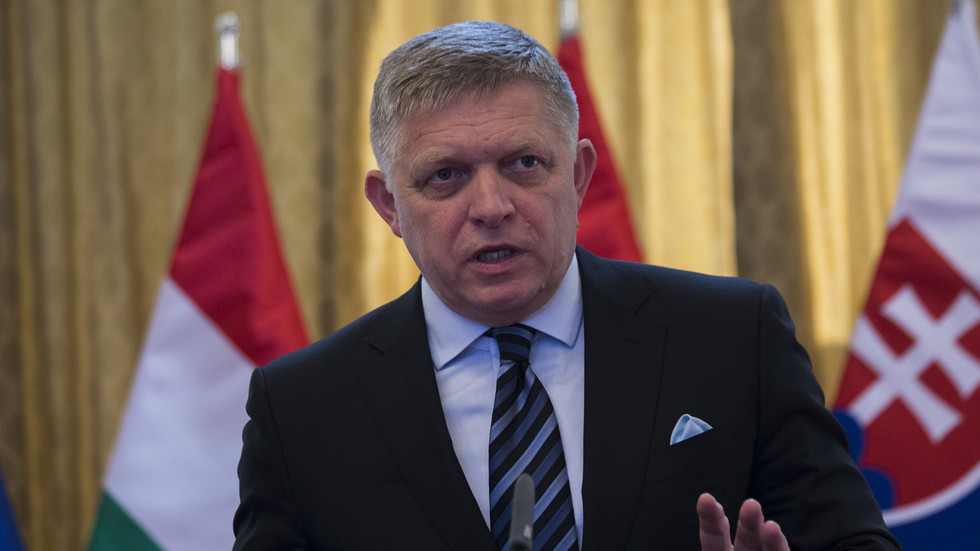
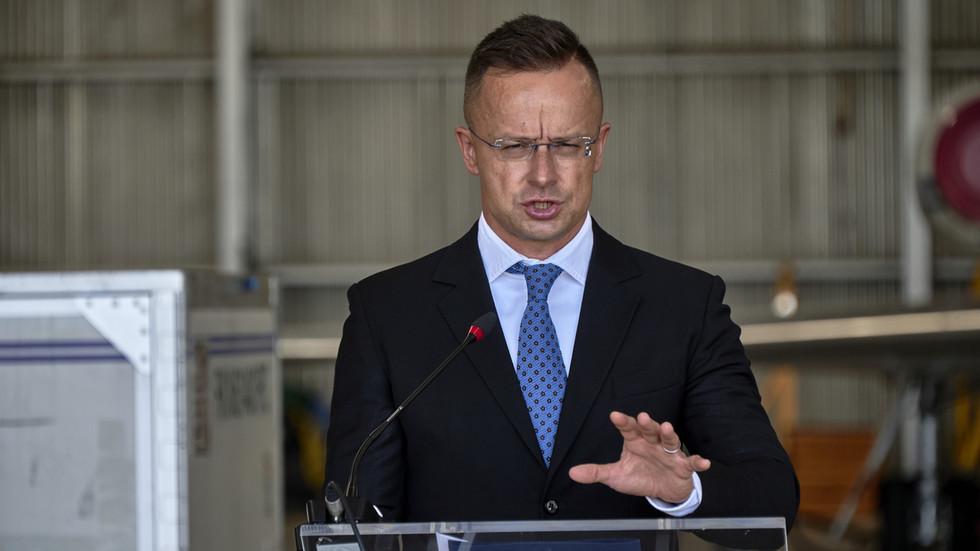
Ukraine, Hungary, Slovakia, and EU institutions all report that oil transit through the Druzhba pipeline’s southern branch to Hungary and Slovakia was halted on January 27 after damage on Ukrainian territory, and that this stoppage has triggered a broader political and economic dispute. Hungary and Slovakia say they face supply risks and have jointly declared the need for alternative routes, including announcing plans for a new bilateral oil product pipeline, while Russia and EU officials alike state they are technically ready to resume flows once the route is restored. Across outlets, it is agreed that Budapest has vetoed or blocked a planned €90 billion EU loan for Ukraine and related sanctions packages against Russia, that these decisions were taken at or around recent European Council and EU budget discussions, and that top EU figures including Ursula von der Leyen and Emmanuel Macron have publicly tied the Druzhba issue to wider debates on Ukraine support and energy security.
Reporting also converges on the institutional context: Druzhba is a Soviet‑era pipeline carrying Russian oil across Ukrainian territory to EU member states, and its disruption interacts with long‑running EU sanctions on Russian energy and Ukraine’s war‑time infrastructure vulnerability. Both sides describe the EU’s search for legal and financial mechanisms to deliver long‑term support to Kyiv regardless of Hungarian objections, including potential workarounds to the veto and EU‑backed technical inspections and financing to assess and repair the pipeline. Outlets agree that Hungary is simultaneously pressing for the release of previously frozen EU cohesion funds and signaling opposition to Ukraine’s rapid EU and NATO integration, while Ukraine is balancing battlefield and economic needs with pressure not to undercut sanctions by facilitating Russian oil exports. Shared context pieces note that Slovakia’s government, like Hungary’s, seeks derogations from Russia‑energy sanctions until at least 2027, and that Brussels has linked transparency over Druzhba’s condition and operations to decisions on future aid and energy diversification.
Responsibility and blame. Government‑aligned coverage presents the halt in Druzhba flows as a politically motivated “oil blockade” by Kyiv, insisting there are no technical obstacles and accusing Ukraine of using transit to interfere in Hungarian and Slovak domestic politics. Opposition‑oriented reporting instead frames the stoppage as the result of Russian strikes damaging Ukrainian infrastructure and stresses that Ukraine has accepted EU‑backed repairs, casting Kyiv as reacting to war‑time attacks rather than orchestrating leverage. In this view, the main fault lies with Russia’s aggression and, secondarily, with Budapest and Bratislava for exploiting a crisis to weaken EU support for Ukraine.
Characterization of Hungary and Slovakia’s actions. Government outlets depict Hungary and Slovakia as defending their legitimate energy security and sovereign rights within the EU, using legal veto powers to force dialogue and to compel Kyiv to resume what they describe as contractually due deliveries. Opposition coverage tends to portray these same moves as strategic obstruction and political blackmail, arguing that tying Ukraine’s macro‑financial lifeline to Russian oil transit undermines collective EU policy and aids Moscow’s objectives. While government narratives emphasize principled resistance to what they call politicized EU pressure, opposition sources highlight opportunism and alignment with Russian energy interests.
Narrative about EU institutions and leverage. Government‑aligned sources stress what they describe as unfair EU pressure on Hungary, including threats to strip voting rights or withhold funds, and criticize Brussels for not using its leverage over Kyiv to force a resumption of oil flows. Opposition outlets largely invert this framing, depicting EU leaders as trying to uphold common decisions on aid to Ukraine and sanctions on Russia in the face of Hungarian and Slovak vetoes. Where government coverage highlights EU overreach and double standards toward “sovereign” member states with dissenting views, opposition media frame EU maneuvering as a necessary response to a minority blocking vital support to a country at war.
Future of Ukraine’s integration and energy policy. Government narratives tie the Druzhba dispute to a broader rejection of Ukraine’s EU and NATO membership and large‑scale long‑term funding, arguing these paths would impose heavy economic costs and heighten conflict risks for Europe while rewarding what they call Kyiv’s hostile behavior. Opposition coverage instead sees the same dispute as a test of the EU’s resolve to back Ukraine’s reconstruction and energy resilience, describing EU‑financed repairs and diversification away from Russian oil as steps toward closer integration. Government‑aligned outlets thus depict conditionality and vetoes as tools to restrain an overextended Ukraine policy, whereas opposition sources treat them as barriers to necessary reforms and security commitments.
In summary, government coverage tends to present Ukraine as deliberately weaponizing Druzhba transit and depict Hungary and Slovakia as sovereign actors justifiably using EU vetoes to protect energy security and resist Brussels’ overreach, while opposition coverage tends to locate the root cause in Russian aggression, portray Budapest and Bratislava as obstructing EU unity and Ukraine’s support, and frame EU‑backed repairs and workarounds as essential to countering Russian leverage and advancing Ukraine’s integration.