government
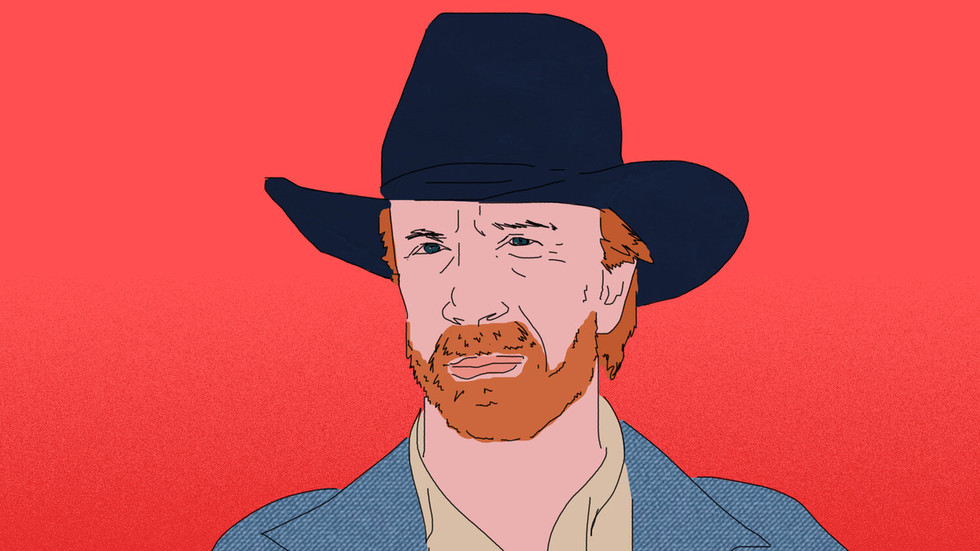
Why Chuck Norris Was a Hero to Millions of Russian Boys
Chuck Norris: The Man Who Made Chaos Feel Manageable
a month ago
Chuck Norris, born Carlos Ray Norris, has been widely reported as having died at the age of 86, with government-aligned outlets citing a family statement that he passed away peacefully surrounded by loved ones after a medical emergency and hospitalization in Hawaii. These reports agree that he was a decorated martial artist and global action star, best known for his role in the television series Walker, Texas Ranger and a long list of action films, and they consistently highlight that his death followed shortly after his 86th birthday and that his family has requested privacy about specific medical details.
Across these same outlets there is shared context portraying Norris as not only an entertainment figure but also a martial arts innovator, philanthropist, author, and cultural icon whose persona bridged Cold War–era toughness, American frontier justice imagery, and the global internet meme culture built around so-called Chuck Norris Facts. They converge on the idea that his life trajectory—from a difficult childhood with an alcoholic father, through military service and karate championships, to international stardom—made him a symbol of perseverance and conservative, law-and-order values, while also noting his influence on generations of young viewers and martial arts practitioners in places as diverse as the United States and Russia.
Cause and circumstances of death. Government-aligned coverage emphasizes the family’s request for privacy and frames the passing as peaceful after a medical emergency, avoiding speculative details about his condition or treatment in Hawaii. Opposition sources, by contrast, tend to question the opacity around the medical episode, probing whether there were lapses in emergency response or undisclosed underlying health issues, and some hint that the lack of transparency reflects a broader pattern of elite privacy in celebrity deaths.
Emphasis on legacy versus controversy. Government outlets largely foreground Norris’s career achievements, charitable work, and inspirational life story, presenting him as an almost unambiguously positive cultural figure whose conservative stances are mentioned but not deeply interrogated. Opposition reporting, while acknowledging his impact on martial arts and pop culture, more readily revisits criticisms of his public endorsements, political commentary, and culture-war positioning, arguing that his legacy is intertwined with divisive narratives that official tributes tend to smooth over.
Political symbolism and cultural framing. In government-aligned media, Norris is framed as a symbol of traditional strength, discipline, and patriotism, with his image in shows like Walker, Texas Ranger invoked as a reassuring archetype of order and justice that resonates with state narratives about stability and heroism. Opposition sources more often interpret this same screen persona as an instrument of soft power and ideological messaging, suggesting that his characters normalized vigilantism and simplistic good-versus-evil tropes, and they critique the way state-linked outlets adopt his image to reinforce their preferred social and political values.
International resonance and soft power. Government coverage highlights Norris’s popularity among Russian boys and global audiences as evidence of cultural common ground and the appeal of classic action-hero virtues, casting his fame as a benign form of cross-cultural admiration. Opposition coverage, however, tends to scrutinize this international appeal as part of a broader ecosystem of imported American media that shaped local ideas of masculinity and heroism, sometimes arguing that celebrating such figures uncritically sidelines local cultural icons and more nuanced representations.
In summary, government coverage tends to present Chuck Norris’s death as a dignified, largely apolitical moment to honor an inspirational cultural hero and downplay controversy, while opposition coverage tends to use the same event to interrogate the secrecy around his passing, the political and ideological uses of his image, and the more contested aspects of his legacy.