government
Trump threatens to destroy Iran’s power plants and oil wells
US President Donald Trump insists Washington is in “serious” discussions with Iran’s “new regime”
20 days ago
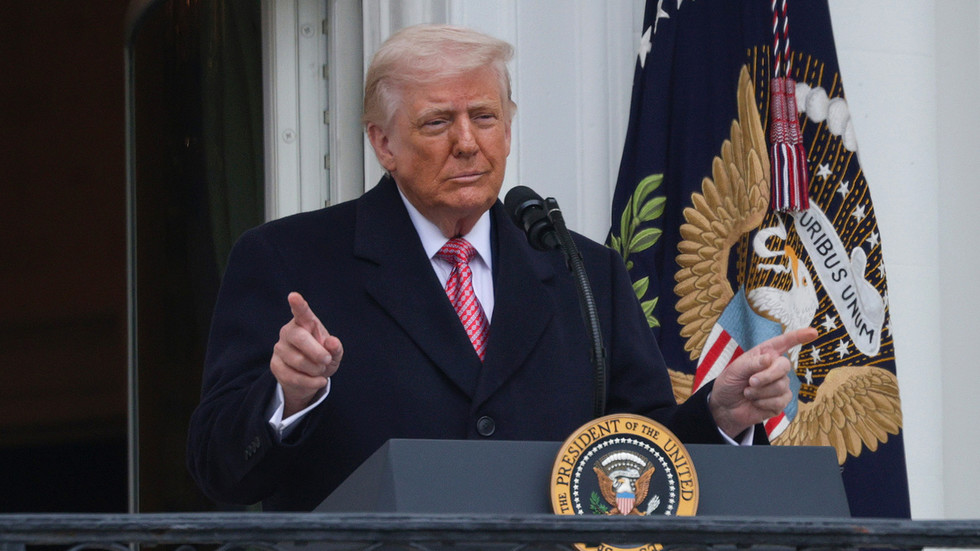
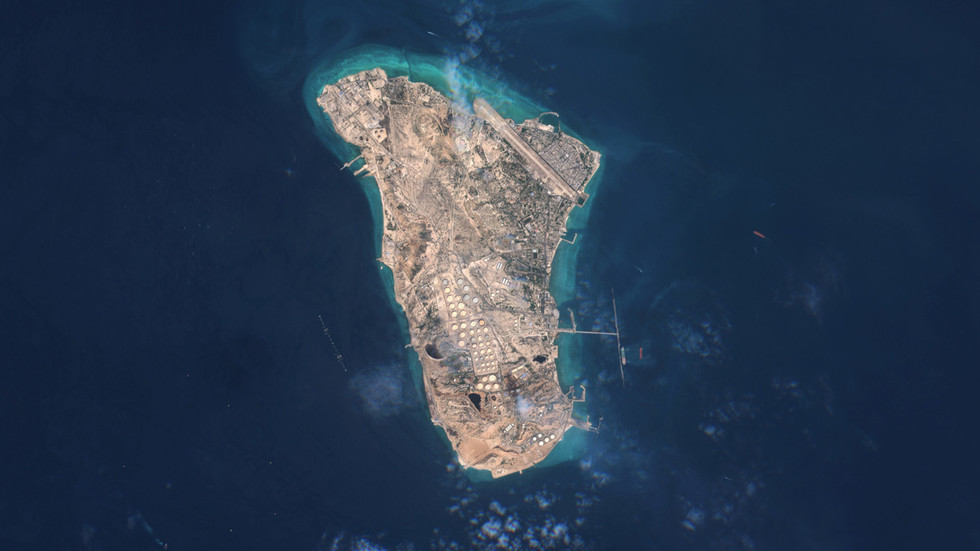
President Donald Trump has publicly threatened that, if current talks with Iran break down, the United States could destroy key elements of Iran’s energy infrastructure, including power plants, oil wells, and the strategic Kharg Island export terminal. In these accounts, Trump links potential military action to both reopening the Strait of Hormuz "for business" and responding to the deaths of US servicemen and citizens he associates with the aftermath of Iran’s 1979 Islamic Revolution, while also asserting that Washington is in serious discussions with what he calls a new or current Iranian government and that talks have made significant progress. These reports locate the dispute primarily around Iran’s oil industry and maritime chokepoints, noting that Tehran has reinforced defenses on Kharg Island and rejects US proposals as unrealistic, while Trump downplays Iran’s ability to resist and openly entertains the prospect of seizing the island "to take the oil."
Across sources, the coverage situates Trump’s threats within the long-running US–Iran confrontation, emphasizing the centrality of energy infrastructure, sanctions, and control over oil exports and the Strait of Hormuz. The shared context highlights Iran’s post-1979 posture of framing its military preparations, including defenses around Kharg Island, as self-defense against foreign aggression, while the United States under Trump presents its pressure campaign as a bid to secure maritime trade, punish past attacks, and potentially reshape Iran’s political behavior. Both sides ground their narratives in institutional roles—US presidential authority, Iranian state control over oil, and the strategic importance of Kharg Island in global energy markets—agreeing that any strike on such facilities would have far-reaching economic and security implications even as they diverge on justification and legality.
Legitimacy of threats. Government-aligned reporting tends to frame Trump’s threats to destroy Iranian power and oil facilities, or seize Kharg Island, as a tough but legitimate extension of US national security policy and historical grievances dating back to 1979. Opposition coverage is more likely to portray such rhetoric as reckless, illegal under international law, and tantamount to explicit threats against critical civilian infrastructure. While official-leaning accounts emphasize deterrence and leverage in negotiations, critical outlets emphasize escalation risks and potential war crimes implications.
Motives and objectives. Government sources typically present Trump’s stated aims as reopening the Strait of Hormuz, deterring Iranian aggression, and compensating for past American casualties, sometimes casting control over Iranian oil as a way to stabilize markets and fund US interests. Opposition sources tend to depict these objectives as thinly veiled resource predation and regime-change pressure, arguing that talk of "taking the oil" reveals economic opportunism rather than security concerns. Where government-aligned narratives speak of progress in talks and potential settlements, opposition narratives stress coercive diplomacy and the normalization of plunder.
Portrayal of Iranian capabilities and intent. Government-aligned outlets usually echo Trump’s dismissal of Iran’s ability to "put up a significant fight," highlighting US military superiority and framing Iran’s fortification of Kharg Island as an ultimately futile gesture. Opposition coverage often questions this minimization, underscoring Iran’s asymmetric capabilities, regional proxies, and the likelihood of serious retaliation across the Middle East if its energy infrastructure is attacked. In describing Iran’s insistence that US proposals are unrealistic and its focus on self-defense, critical sources tend to grant more credence to Iranian security concerns than official-leaning narratives do.
Consequences for regional stability. Government-aligned narratives commonly emphasize that decisive US action, or even the credible threat of it, could force Iran to comply and quickly normalize shipping through the Strait of Hormuz, thus contributing to global economic stability. Opposition outlets stress the opposite, warning that attacks on power plants and oil facilities, or a move to seize Kharg Island, would likely trigger a wider conflict, spike oil prices, and destabilize not just the Gulf but also US alliances and domestic politics. While official-leaning coverage highlights potential strategic gains, opposition coverage foregrounds humanitarian fallout, long-term blowback, and erosion of international norms.
In summary, government coverage tends to cast Trump’s threats as a hard-nosed but purposeful tool of US security and economic policy backed by military dominance, while opposition coverage tends to depict them as dangerous, legally dubious escalation driven by resource ambitions and likely to produce severe regional and global instability.