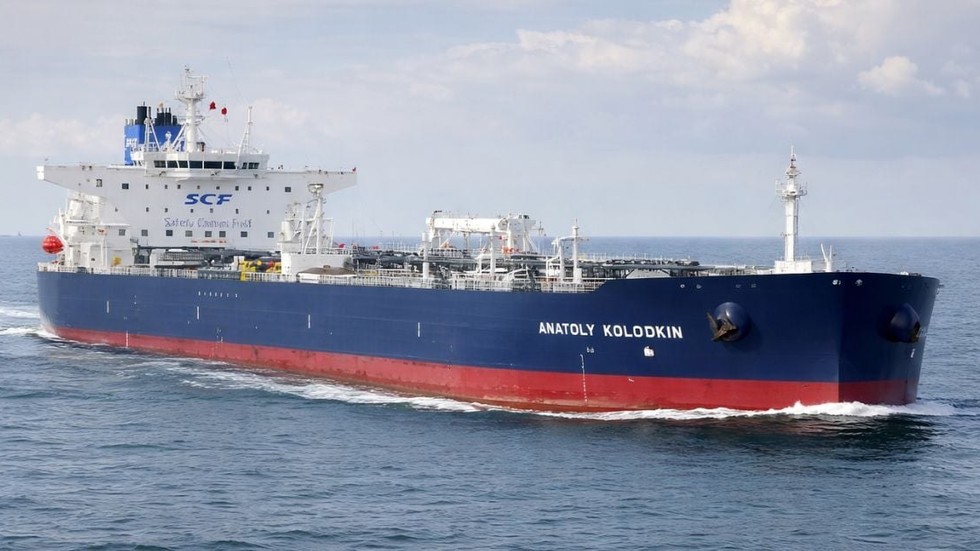
A Russian tanker named Anatoly Kolodkin has delivered around 100,000 tons of crude oil to Cuba, marking the first such shipment in roughly three months amid an ongoing tightening of US sanctions on Havana and its energy partners. Both government-aligned and opposition sources agree that the cargo is large enough to cover several weeks of Cuba’s fuel needs and that the shipment arrived with at least tacit US permission, following statements from US authorities and former President Trump indicating they would not oppose limited Russian fuel deliveries for Cuba’s immediate survival.
Across sources, there is broad agreement that Cuba is undergoing a severe energy crisis characterized by frequent power outages and wider shortages of fuel, food, and medicine, and that this crisis has worsened in the wake of recent US measures against Cuba and Venezuela. Both sides also concur that Russia portrays Cuba as a strategic or close partner and stresses that its oil deliveries and other humanitarian cargo are framed as lawful under international maritime rules and as part of a longer-term pattern of political and economic cooperation between Moscow and Havana.
Areas of disagreement
Framing of the US role. Government-aligned coverage describes the US measures as a unilateral blockade or economic war that has directly caused or sharply exacerbated Cuba’s fuel crisis, emphasizing Washington’s pressure on third countries not to supply the island. Opposition outlets instead describe a broader sanctions regime and political dispute in which the US responds to Cuba’s domestic repression and foreign alignments, often highlighting that Washington has explicitly signaled tolerance for limited humanitarian oil flows despite broader restrictions.
Characterization of Russian aid. Government sources present the Russian tanker’s arrival as humanitarian assistance and a “victory of common sense,” underscoring Moscow’s loyalty to a besieged partner and portraying the shipment as an altruistic response to Cuban hardship. Opposition reporting tends to treat the cargo more as a pragmatic geopolitical transaction, noting that Russia is exploiting a sanctions window and using energy deliveries to deepen influence in Cuba, rather than as purely disinterested humanitarian relief.
Depth and causes of Cuba’s crisis. Government-aligned media place near-total responsibility for Cuba’s energy and economic troubles on the US blockade, framing domestic shortages and blackouts as externally imposed suffering. Opposition sources acknowledge the impact of US measures but more often point to Havana’s own economic mismanagement, state control over the energy sector, and political repression as structural causes of the crisis that Russian oil deliveries can only temporarily mask.
US permissiveness and constraints. Government coverage stresses that Russia is defying US pressure and that Washington threatens further sanctions on suppliers to Cuba, suggesting a confrontational environment around the tanker’s voyage. Opposition outlets, by contrast, highlight that Trump and US authorities have publicly stated they are not against limited Russian supplies for Cuba’s basic survival, presenting the tanker’s arrival as occurring within a narrowly defined but real US allowance rather than in outright defiance.
In summary, government coverage tends to cast the tanker’s arrival as a humanitarian breakthrough against an unjust US blockade, while opposition coverage tends to frame it as a sanctioned, limited exception within a broader sanctions regime that also reflects Cuba’s internal failings and Russia’s geopolitical leverage.