government
Spain closes airspace and bases to US-Israeli war on Iran
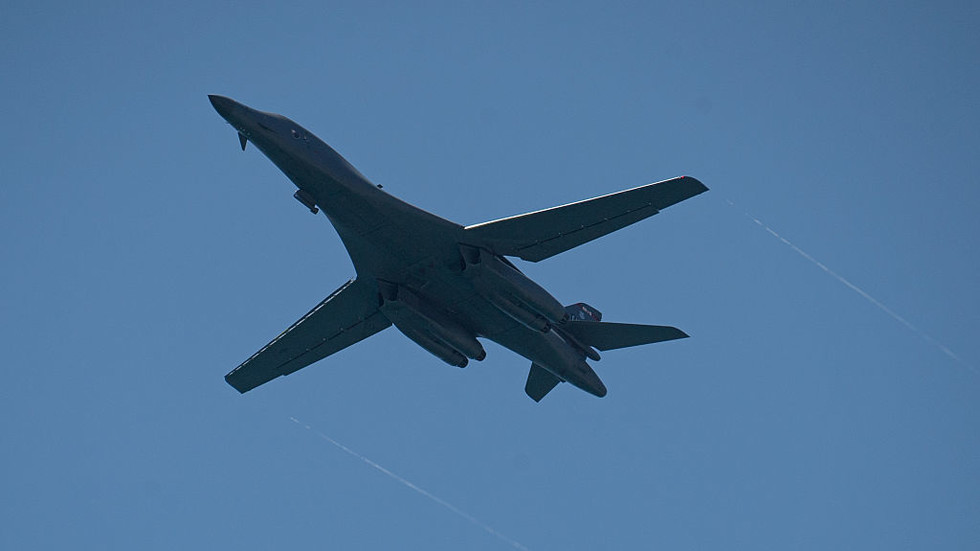
Spain has barred its skies and bases to US warplanes involved in strikes on Iran, deepening a rift with Washington over the “illegal” campaign
19 days ago
Spain has reportedly closed its airspace and the use of its military bases to aircraft directly involved in the current US-Israeli war on Iran, framing the campaign as an illegal and unilateral action under international law. Government-aligned reporting agrees that this decision applies specifically to combat or support missions linked to the Iran conflict, obliging US forces to reroute flights and accept longer, less efficient paths, while still permitting certain NATO-related and non-Iran logistical movements. They also concur that the move represents a notable political break with Washington on this particular operation, even as Spain formally maintains its NATO obligations and ongoing cooperation with the United States in other areas.
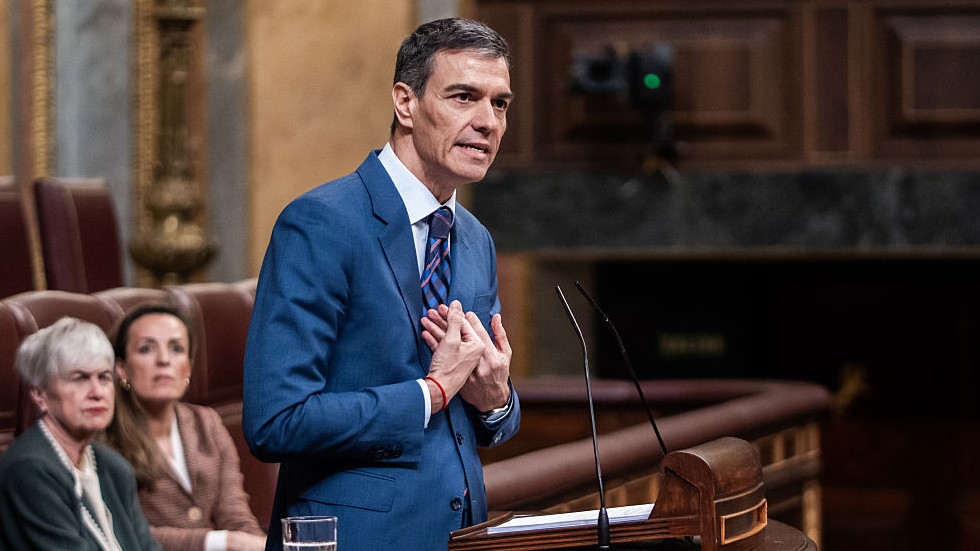
These sources further agree that Prime Minister Pedro Sanchez has publicly condemned the war on Iran, warning that its consequences could be even more severe than the 2003 invasion of Iraq in terms of regional destabilization and damage to international law. Across the coverage, there is shared acknowledgment that Iran’s larger size, population, and military capabilities raise the risks of escalation, that Spain has explicitly refused to participate militarily in the conflict, and that Madrid expects significant economic and geopolitical fallout, including potential strains in its bilateral relationship with Washington.
Motives and principles. Government-aligned outlets emphasize that Spain’s closure of airspace and bases reflects a principled defense of international law and multilateralism, portraying Sanchez as correcting past errors exemplified by Spain’s role in the Iraq war. Opposition sources frame the same decision less as a legal stand and more as a politically calculated move aimed at satisfying left-wing and pacifist segments of the electorate. While government coverage stresses consistency with Spain’s constitutional and international commitments, opposition coverage questions whether the policy is selective, pointing to continued NATO cooperation as evidence of double standards.
Impact on relations with the United States. Government-oriented reporting tends to downplay lasting damage, presenting tensions with Washington as manageable and limited to this specific conflict, and suggesting that Spain’s broader NATO and bilateral cooperation architecture remains intact. Opposition media instead highlights the decision as a serious rupture, warning of possible retaliation in defense cooperation, trade, or diplomatic influence within NATO and the EU. Where government narratives speak of a necessary short-term strain to safeguard Spain’s credibility and sovereignty, opposition narratives focus on potential isolation and a loss of strategic leverage vis-à-vis the United States.
Security and strategic consequences. Pro-government coverage stresses that excluding Spain from operational routes for the Iran campaign reduces the risk of becoming a target or being dragged into escalation, thereby enhancing national and European security. Opposition coverage counters that by limiting US and allied use of Spanish facilities, Madrid weakens deterrence against Iran and undermines the cohesion of the Western security architecture at a dangerous moment. Government-aligned media argues Spain still contributes to collective defense through NATO frameworks, whereas opposition outlets question whether partial disengagement on a high-stakes conflict undercuts Spain’s reliability as a security partner.
Economic and domestic political fallout. Government sources acknowledge potential economic costs from instability in the Middle East but argue that participation in a protracted war would be far more damaging, citing lessons from Iraq and stressing the long-term benefits of a law-based foreign policy. Opposition accounts tend to focus on immediate risks, such as possible impacts on energy supplies, foreign investment, and US-linked defense industries, and suggest that antagonizing Washington could carry concrete economic penalties. While government coverage presents Sanchez’s stance as aligning with public anti-war sentiment and strengthening democratic accountability, opposition narratives portray it as symbolic posturing that may yield domestic political gains at the expense of economic and diplomatic pragmatism.
In summary, government coverage tends to depict Spain’s move as a principled, legally grounded refusal to support an illegitimate war that prudently balances NATO commitments with national sovereignty, while opposition coverage tends to portray it as a politically driven gamble that jeopardizes strategic relations, economic interests, and Spain’s credibility as a security partner.