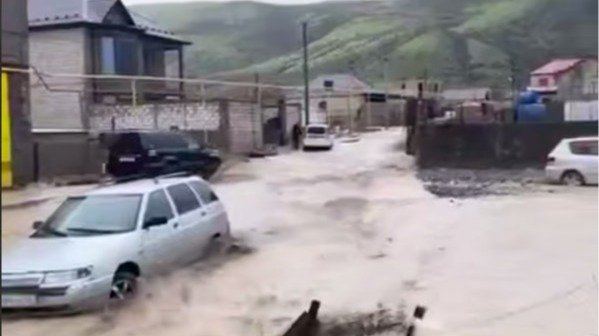
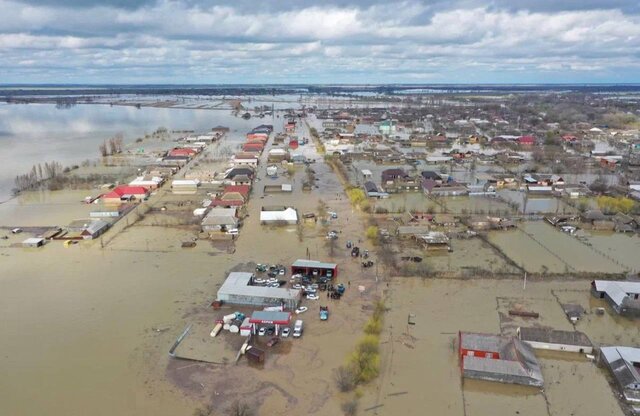
Severe flooding has hit multiple republics in Russia’s North Caucasus, with both government and opposition-aligned outlets describing days of torrential rain, strong winds and overflowing rivers affecting Dagestan, Chechnya, Ingushetia and Kabardino-Balkaria. They broadly agree that power infrastructure, roads and bridges have been heavily damaged, that tens of thousands of people in Dagestan alone have been left without electricity, and that hundreds to more than a thousand residents have been evacuated from especially hard‑hit settlements such as villages near Makhachkala and Adilotar. Both sides report that local and federal emergency services have been deployed, that states of emergency were declared in at least Chechnya and some districts of Dagestan, and that further heavy rain and hazardous conditions, including landslides and avalanche risks in mountainous areas, are forecast in the coming days.
Across the spectrum, coverage situates the floods within the broader vulnerability of the North Caucasus to extreme weather and infrastructure strain, noting the combination of aging utilities, dense settlements in river valleys and steep, erosion‑prone terrain. Government and opposition outlets alike point to the central role of Russia’s Emergencies Ministry, regional administrations, and municipal utility providers in coordinating evacuations, restoring power and clearing debris, and they reference similar past flooding episodes in southern Russia as context for why rapid disaster response is critical. There is shared acknowledgment that climate variability and recurring heavy downpours are increasing pressure on local drainage, riverbank reinforcement, and housing in flood‑prone zones, and that medium‑term reforms will likely focus on modernizing critical infrastructure, revising land‑use rules in high‑risk areas and improving early‑warning systems.
Areas of disagreement
Scale and transparency of damage. Government-aligned coverage tends to emphasize that the situation is under control, featuring official tallies of damaged homes and infrastructure and stressing that key services are being rapidly restored, sometimes downplaying the most chaotic early moments. Opposition outlets, while citing similar regions and events, often present higher or more fluid estimates of affected households and power outages, foregrounding images of submerged neighborhoods, washed‑out bridges and isolated villages. They are more likely to highlight reports from residents that some areas waited many hours or longer for rescue or electricity restoration, suggesting that the true scale and duration of the disruption may be greater than authorities admit.
Responsibility and preparedness. Government media mostly frame the floods as a natural disaster driven by abnormal weather, portraying regional leaders and federal agencies as responding promptly with all necessary resources and avoiding detailed discussion of pre‑event preparedness gaps. Opposition sources juxtapose the severe weather with years of underinvestment in drainage, riverbank reinforcement and safe housing, arguing that poor maintenance and permissive construction in high‑risk zones magnified the damage. They frequently include critical voices accusing regional administrations of ignoring earlier warnings and previous flooding episodes, and questioning whether emergency plans and infrastructure inspections were adequate.
Portrayal of authorities and local grievances. Government-aligned outlets highlight images of governors touring damaged areas, emergency workers assisting evacuees, and swift decisions such as declaring states of emergency in Chechnya, presenting the authorities as proactive and compassionate. Opposition coverage gives more space to resident complaints about late notifications, uneven aid distribution, or confusion over where to go for assistance, and sometimes suggests that officials appeared mainly for staged visits rather than sustained engagement. It also more readily mentions social media posts documenting local frustration, implying a gap between official statements and lived experience on the ground.
Political and systemic implications. State-oriented reporting generally treats the flooding as a humanitarian and technical challenge, focusing on rescue operations, infrastructure repairs and budgetary allocations, while avoiding broader criticism of governance in the North Caucasus. Opposition outlets more often link the disaster to systemic problems such as corruption in construction contracts, weak oversight of safety standards, and the political marginalization of local communities that leaves them with little influence over land‑use and infrastructure decisions. They sometimes suggest that recurring emergencies in the region expose structural flaws in Moscow’s management of the republics and could fuel longer‑term discontent if not addressed.
In summary, government coverage tends to stress the natural causes of the flooding, the orderliness of the response, and the competence and visibility of regional and federal authorities, while opposition coverage tends to accentuate the scale of damage, resident grievances, and deeper governance and infrastructure failures that, in their view, turned a severe storm into a preventable catastrophe.